
The DDR urgently needs foreign currency
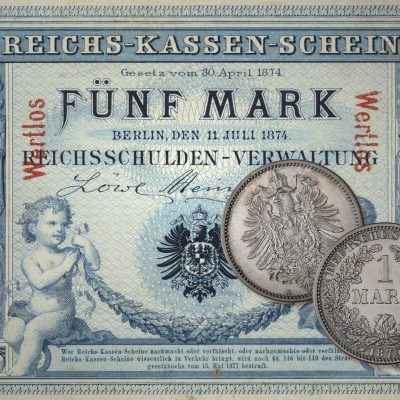
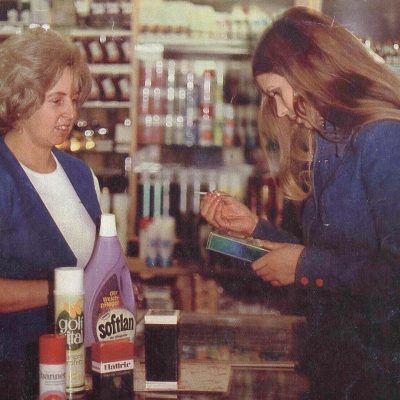
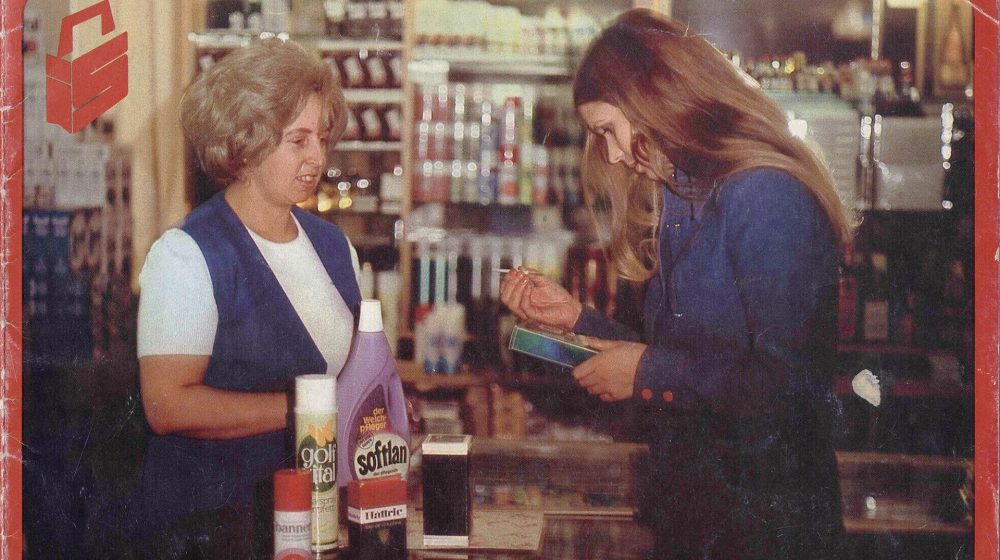
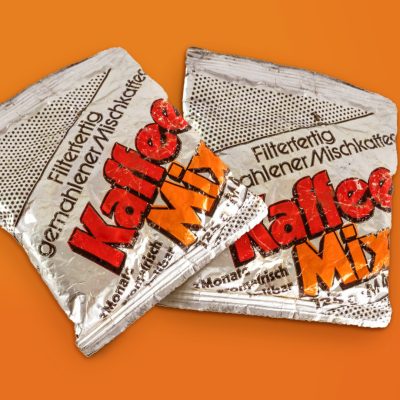
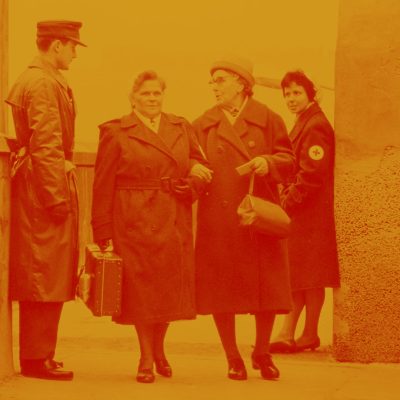
The DDR found itself in a very difficult situation in the early 1960s. A shortage of skilled workers and a decline in agricultural production following the collectivization of farming resulted in poor economic performance. The East German government asked the West German government for a loan of three billion Deutschmarks to buy foreign machinery and materials with which to modernize its struggling socialist economy. The failure to reach an agreement with the “class enemy” meant that the DDR was in need of an alternative source of foreign currency. In response, it established a network of “Intershops” from which visitors from the West or those passing through the DDR could purchase goods using foreign currency. Beginning with mobile cigarette stands set up at Friedrichstraße railway station in East Berlin, the project developed into a large retail chain selling luxury goods at border crossings, railway stations and airports. The DDR even set up “Interhotels” and sold its product range to guests through room service. Most of the goods had been produced by East German companies working to orders for Western customers and were not available for purchase by ordinary East Germans.
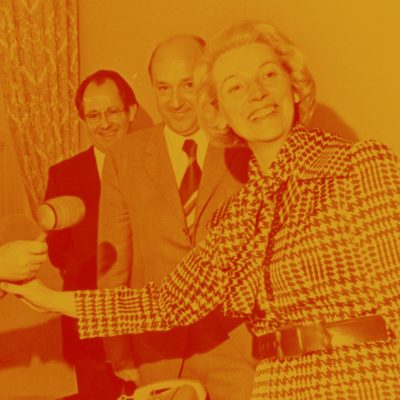
The DDR was in even greater need of foreign currency during the 1970s, as its government had run up large debts in an attempt to raise general living standards. In 1974, the government reversed its ban on the possession of Western currency so that its citizens could make purchases in the Intershops. Although the prices were significantly lower than in the West, they were high by DDR standards. West Germans now sent money to enable their East German relatives to buy the luxury goods. This arrangement became more complicated by the end of the 1970s: East Germans were now forced to swap any foreign currency they had for cheques that acted as credit in the network of over 400 Intershops set up by the 1980s.

The whole year at a glance



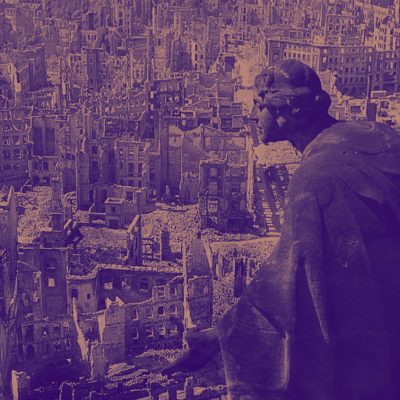
![Lithografie von Johann Nepomuk Heinemann [koloriert], nach Ölgemälde von Feodor Dietz (Foto: LABW, GLAK)](https://www.deutschlandmuseum.de/wp-content/uploads/2025/02/02031689_Zerstoerung_Heidelbergs-400x400.jpg "Lithografie von Johann Nepomuk Heinemann [koloriert], nach Ölgemälde von Feodor Dietz (Foto: LABW, GLAK)")


![Unter den Unterzeichnern sind die Nobelpreisträger Otto Hahn, Werner Heisenberg und Max Born [digital koloriert] (Quelle: Landesarchiv BW Staatsarchiv Freiburg, CC-BY-SA)](https://www.deutschlandmuseum.de/wp-content/uploads/2025/04/12041957_Göttinger_Erklärung-400x400.jpg "Unter den Unterzeichnern sind die Nobelpreisträger Otto Hahn, Werner Heisenberg und Max Born [digital koloriert] (Quelle: Landesarchiv BW Staatsarchiv Freiburg, CC-BY-SA)")


](https://www.deutschlandmuseum.de/wp-content/uploads/2025/04/21041946_SED_Gründung-1-400x400.jpg "Vereinigungsparteitag von KPD und SPD zur SED [digital koloriert](Quelle: Deutsche Fotothek, CC BY-SA 3.0 DE)")


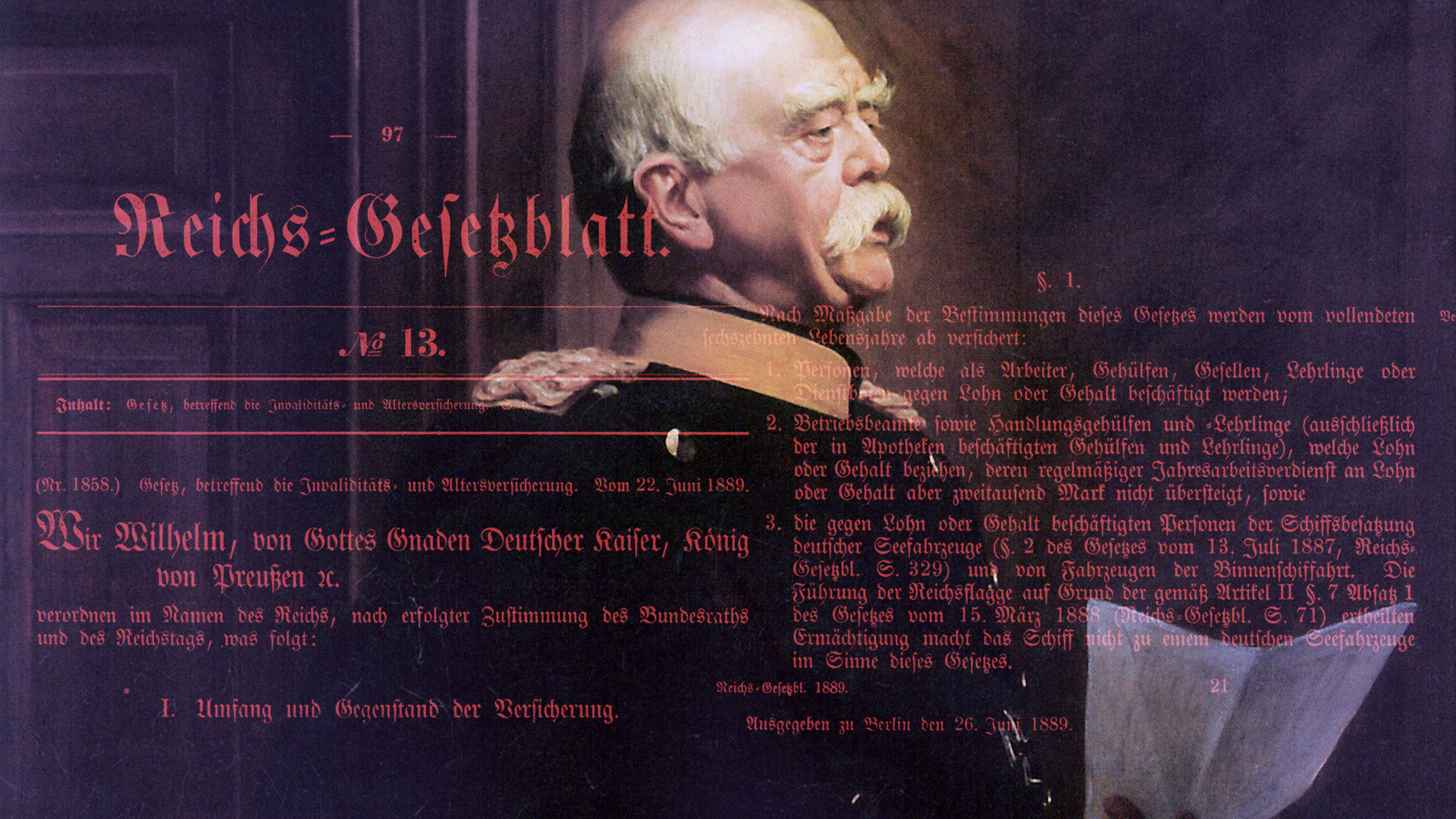
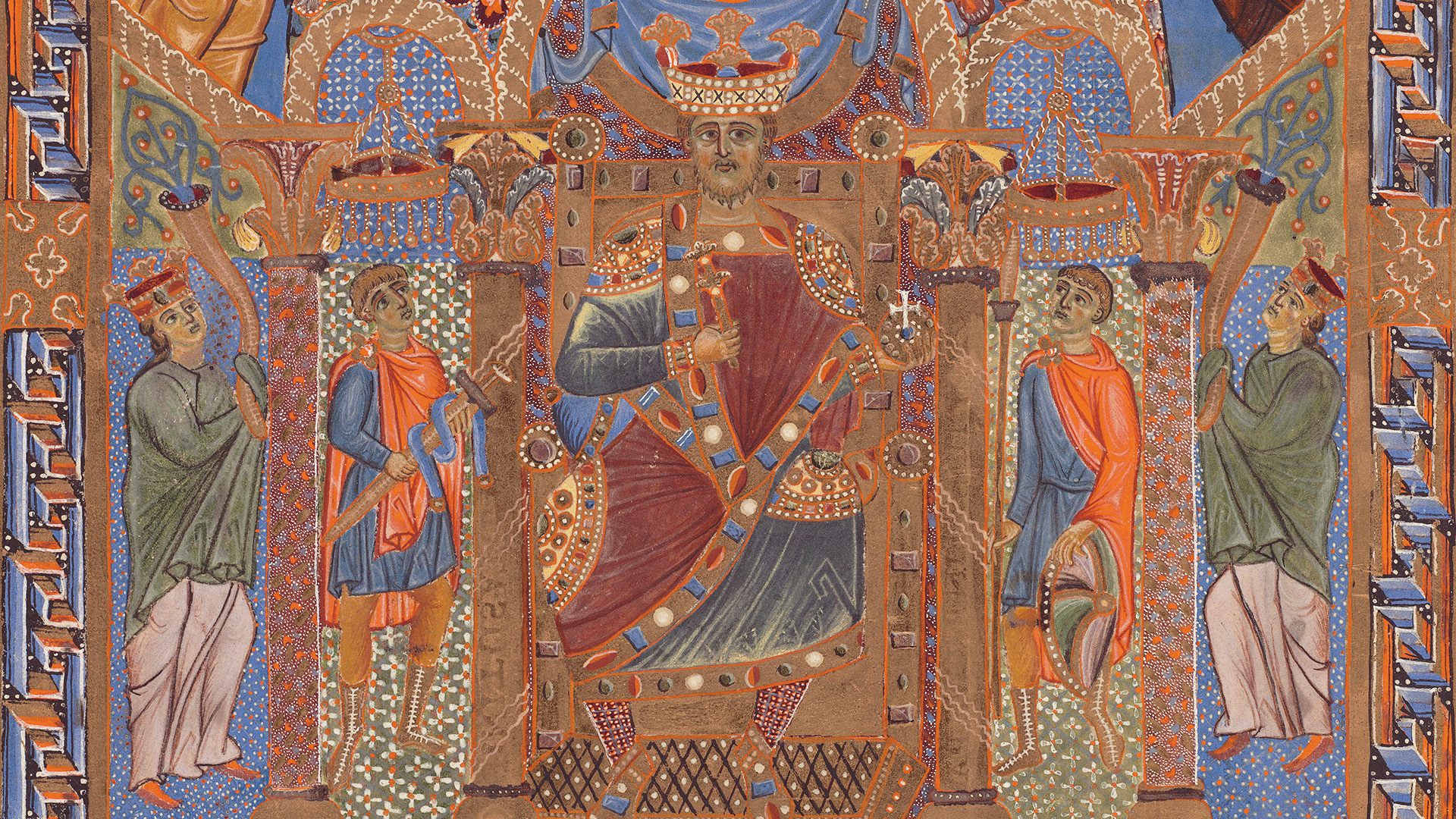
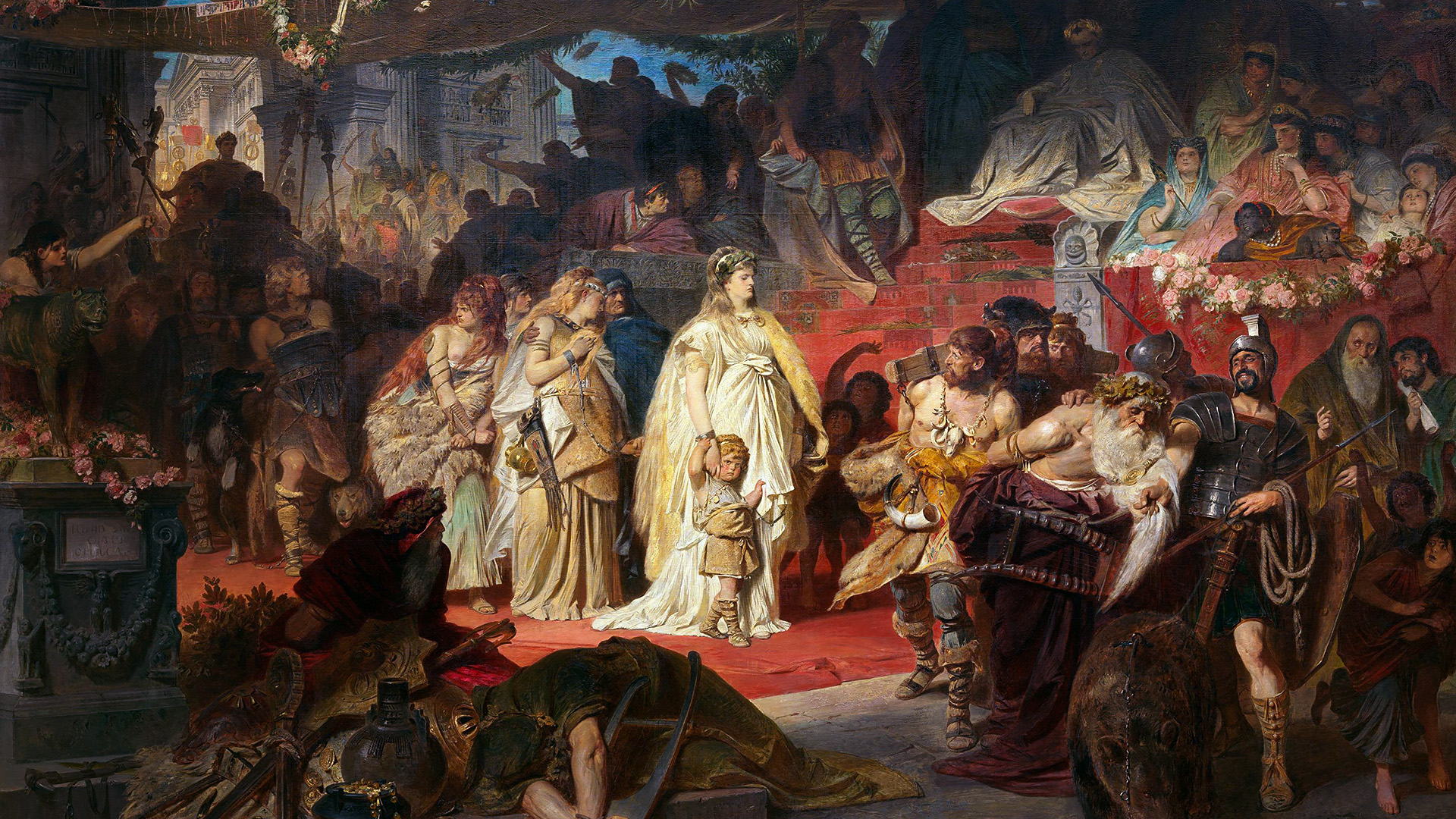
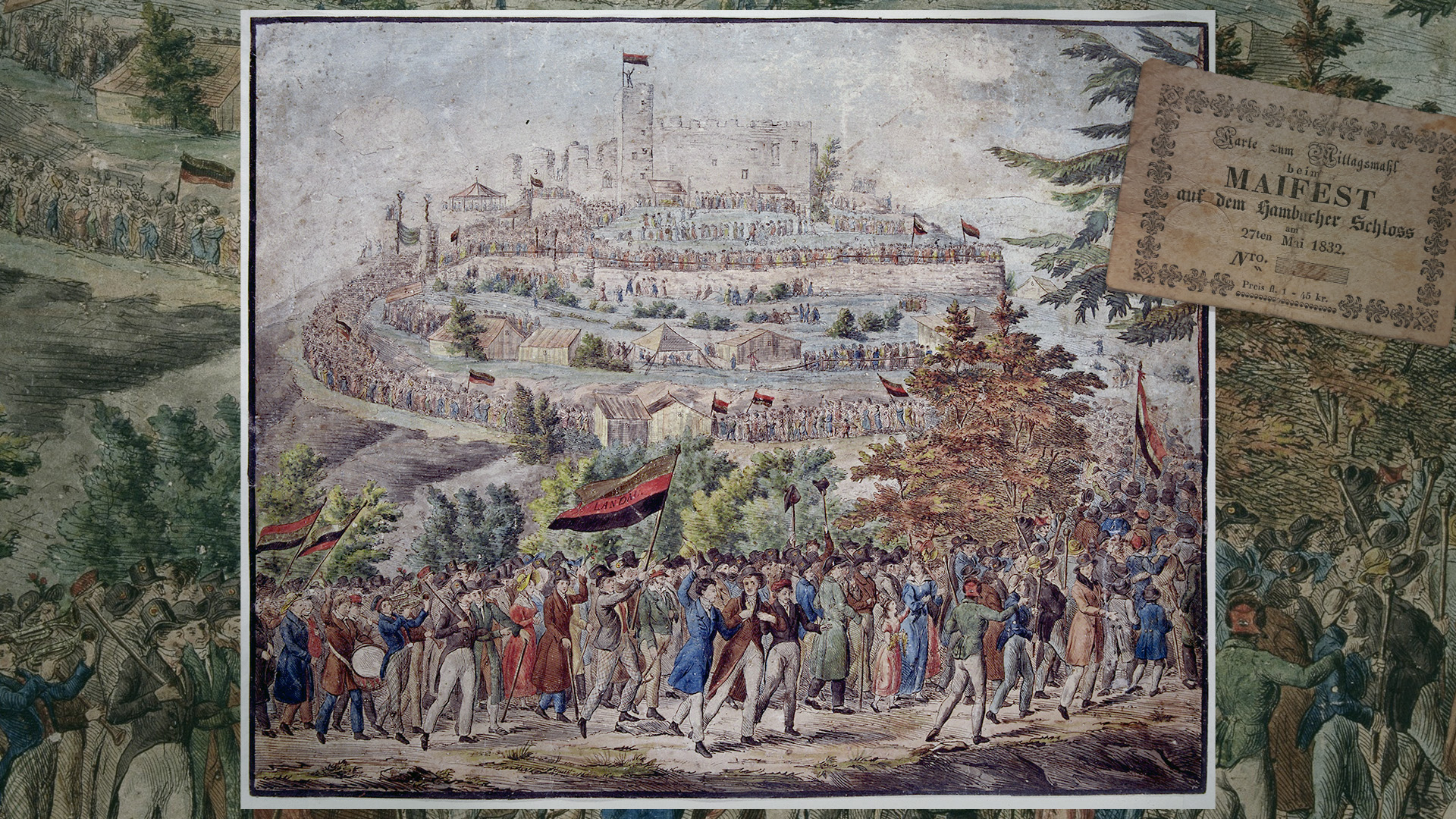



![Alexander von Humboldt [Ausschnitt], Gemälde von Friedrich Georg Weitsch (Quelle: Alte Nationalgalerie)](https://www.deutschlandmuseum.de/wp-content/uploads/2025/09/14091769_Humboldt-400x400.jpg "Alexander von Humboldt [Ausschnitt], Gemälde von Friedrich Georg Weitsch (Quelle: Alte Nationalgalerie)")


![Albert Einstein im Patentamt Bern, 1905 [digital koloriert] (Quelle: ETH-Bibliothek Zürich)](https://www.deutschlandmuseum.de/wp-content/uploads/2025/09/26091905_Einstein_koloriert-400x400.jpg "Albert Einstein im Patentamt Bern, 1905 [digital koloriert] (Quelle: ETH-Bibliothek Zürich)")