
Former East Germans find out what the Stasi knew about them
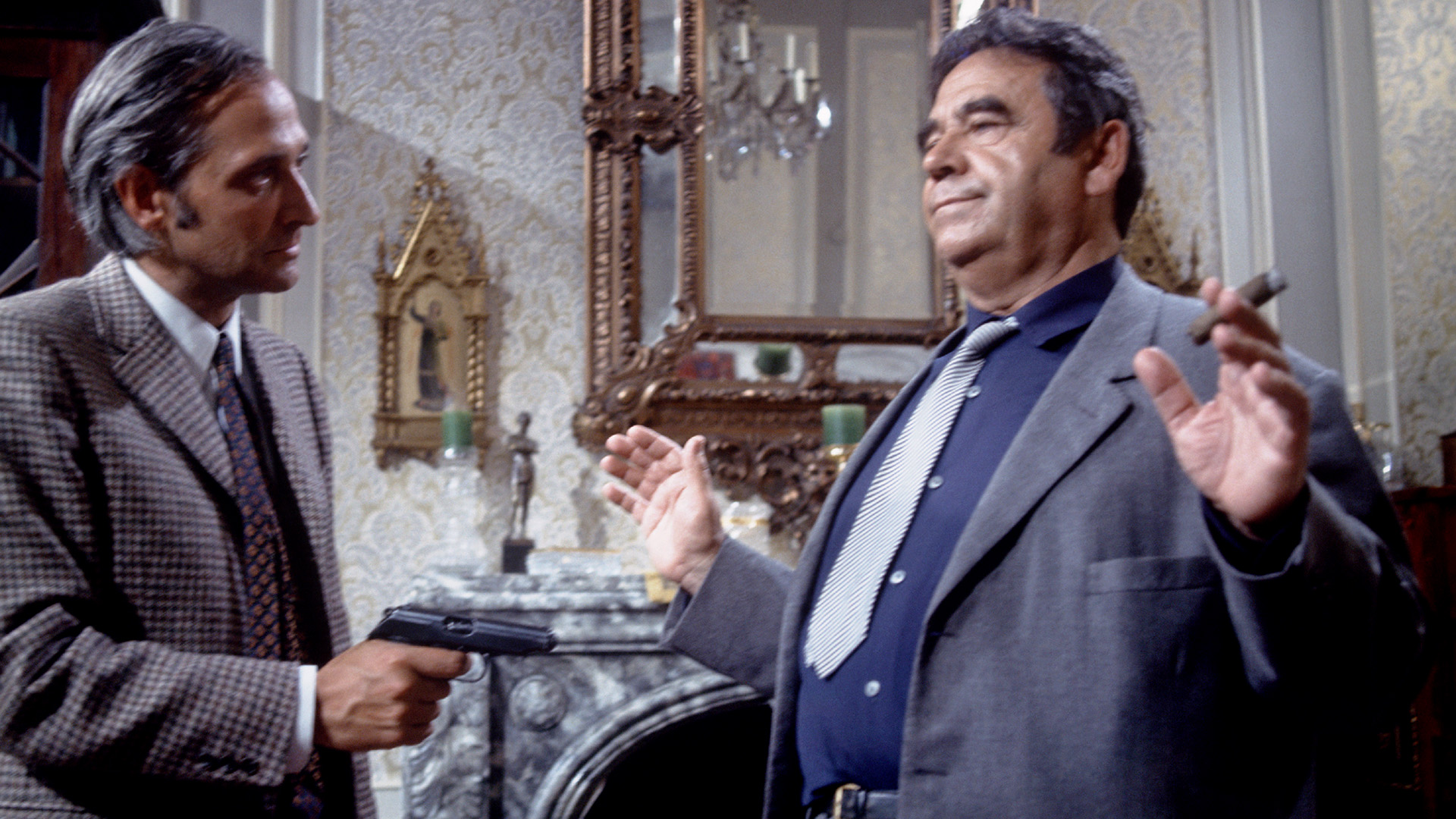
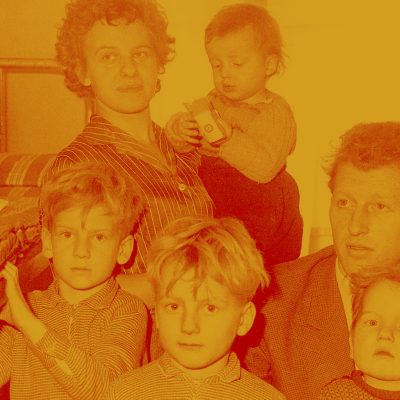
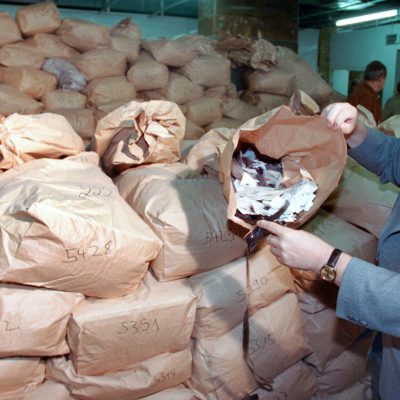
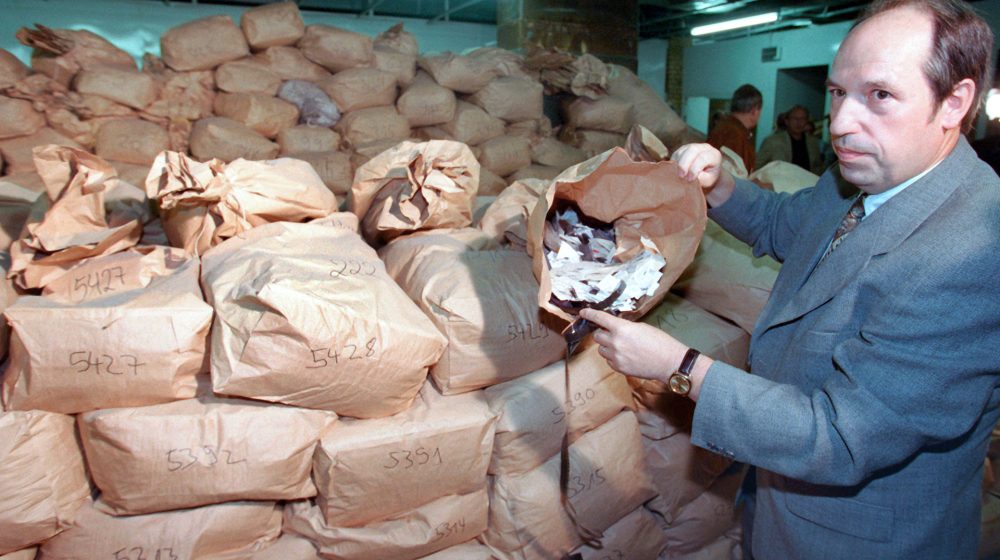
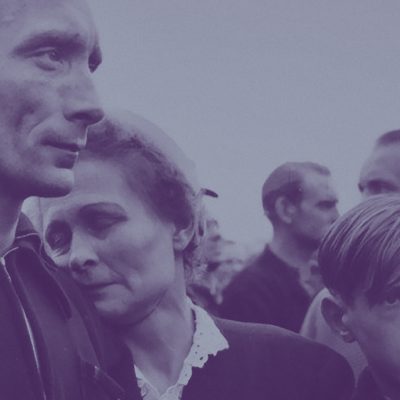
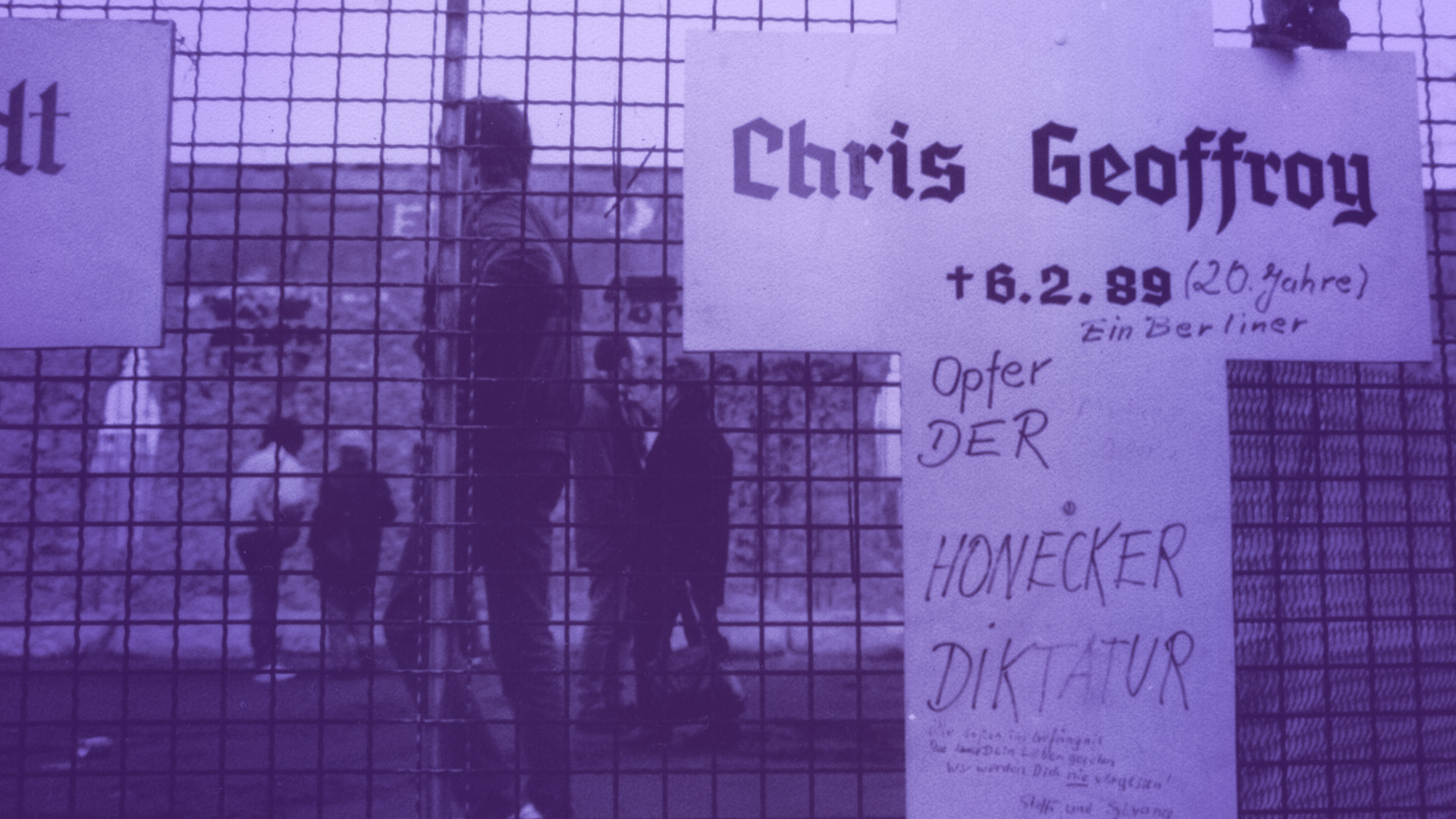
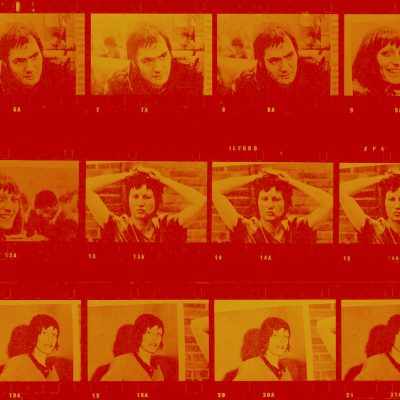
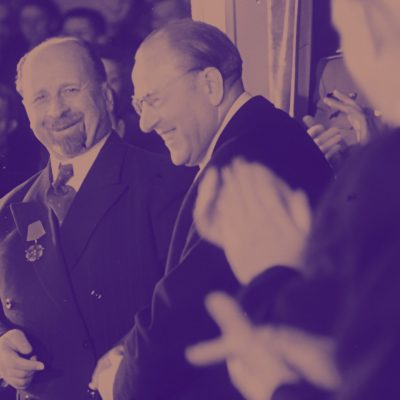
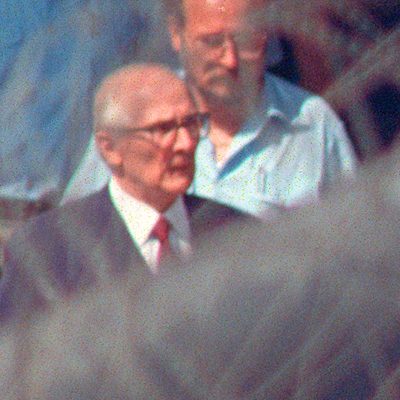
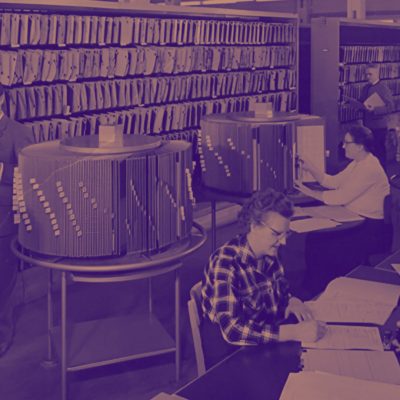
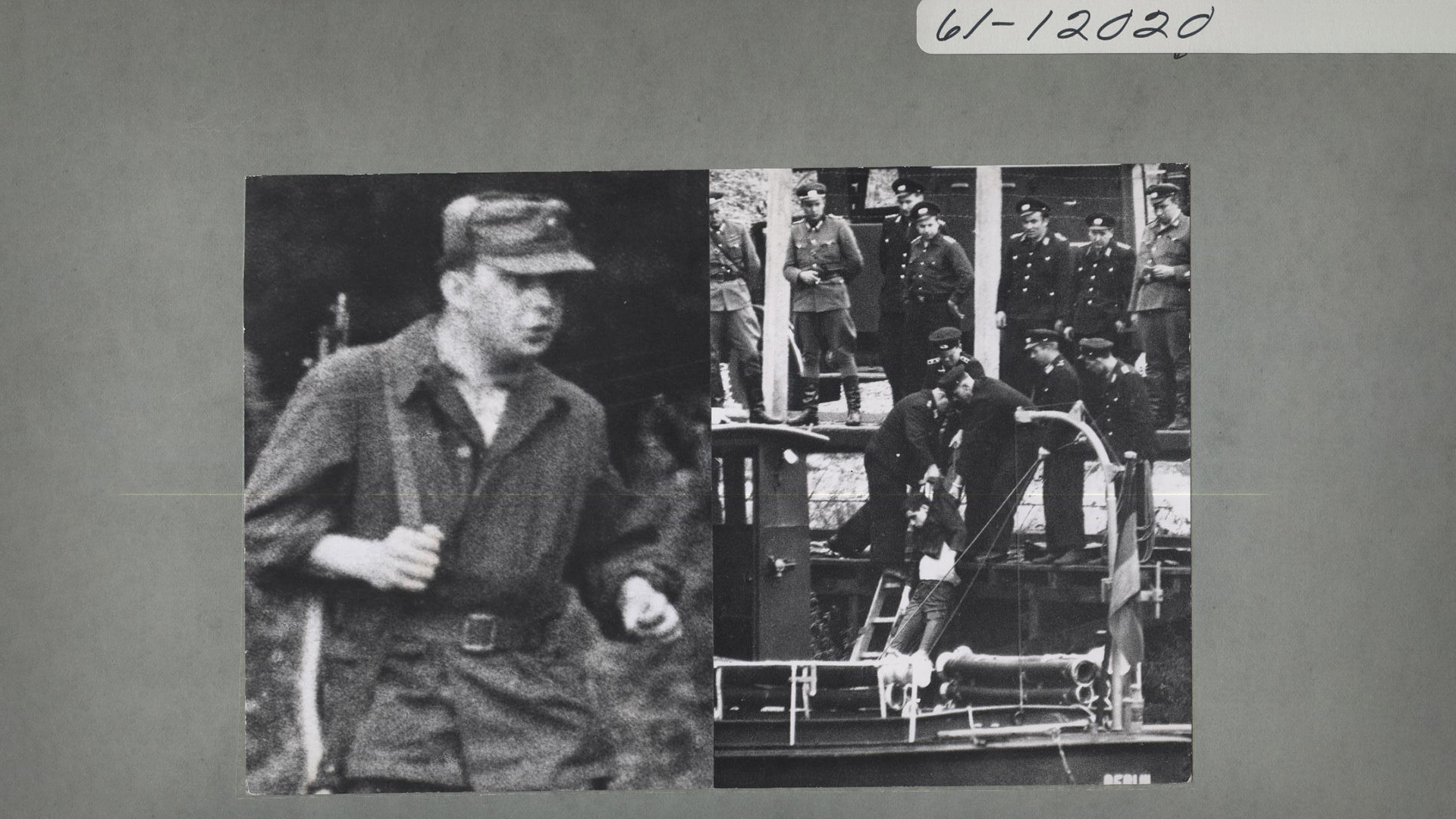
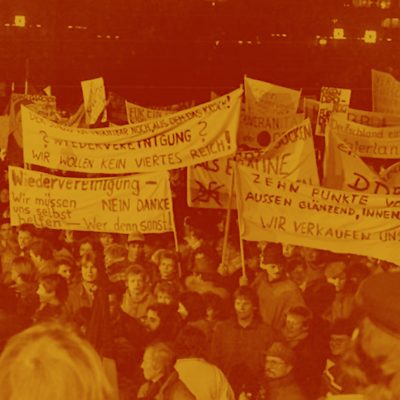
As the key instrument of SED control and repression, the Ministry for State Security of the DDR employed almost 100,000 full-time employees and up to twice as many informants by 1989. In this situation, East Germans could assume that their colleagues, acquaintances and even family members were collecting information about them. During the peaceful revolution of 1989, the Stasi attempted to destroy millions of documents; many of them – even those that had been shredded and placed in sacks prior to disposal – were secured on the initiative of the citizens’ movement and opposition figures. The first freely elected East German parliament established a special committee headed by the former Lutheran Pastor Joachim Gauck to deal with the Stasi files. Following reunification, the Federal Government and the Federal President confirmed the existence of the institution, now often referred to as the “Gauck Authority”, whose employees sorted, organized and managed the papers.
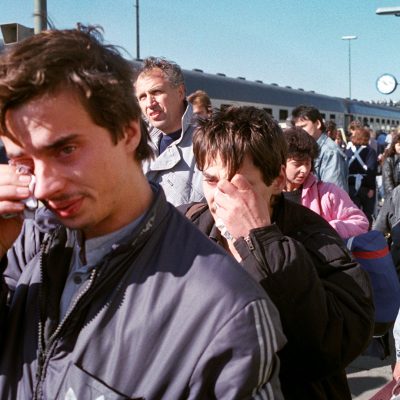
The desire of ordinary East Germans to access the information collected by the SED dictatorship collided with West German legal stipulations that personal data had to be kept secret for thirty years. The solution was to anonymize or redact the personal data contained in the files. Rules were then established for the indexing and management of the files, and the basis was established for access to the documents and the conditions for their use. The Stasi Records Act which came into force on 29 December 1991 allowed private individuals, academics and the media to access Stasi data. Over three million people took advantage of this opportunity to view their own Stasi files. West Germans were also able to access information held about them. As a result, many people learned details about records, reports and even the code names of informants who had informed on them. Since 2021, responsibility for the Stasi Records Archive has been transferred to the Federal Archives, but private individuals can still view the files.


The whole year at a glance







![Lithografie von Johann Nepomuk Heinemann [koloriert], nach Ölgemälde von Feodor Dietz (Foto: LABW, GLAK)](https://www.deutschlandmuseum.de/wp-content/uploads/2025/02/02031689_Zerstoerung_Heidelbergs-400x400.jpg "Lithografie von Johann Nepomuk Heinemann [koloriert], nach Ölgemälde von Feodor Dietz (Foto: LABW, GLAK)")








![Unter den Unterzeichnern sind die Nobelpreisträger Otto Hahn, Werner Heisenberg und Max Born [digital koloriert] (Quelle: Landesarchiv BW Staatsarchiv Freiburg, CC-BY-SA)](https://www.deutschlandmuseum.de/wp-content/uploads/2025/04/12041957_Göttinger_Erklärung-400x400.jpg "Unter den Unterzeichnern sind die Nobelpreisträger Otto Hahn, Werner Heisenberg und Max Born [digital koloriert] (Quelle: Landesarchiv BW Staatsarchiv Freiburg, CC-BY-SA)")





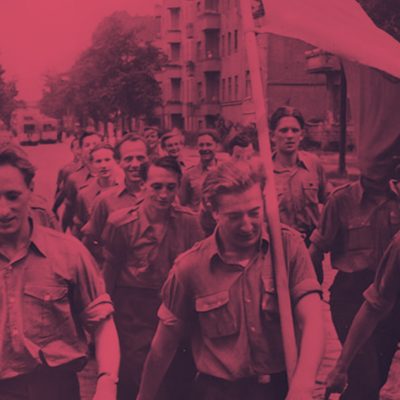
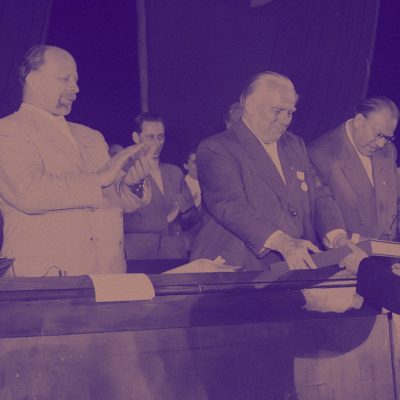
](https://www.deutschlandmuseum.de/wp-content/uploads/2025/04/21041946_SED_Gründung-1-400x400.jpg "Vereinigungsparteitag von KPD und SPD zur SED [digital koloriert](Quelle: Deutsche Fotothek, CC BY-SA 3.0 DE)")














![Alexander von Humboldt [Ausschnitt], Gemälde von Friedrich Georg Weitsch (Quelle: Alte Nationalgalerie)](https://www.deutschlandmuseum.de/wp-content/uploads/2025/09/14091769_Humboldt-400x400.jpg "Alexander von Humboldt [Ausschnitt], Gemälde von Friedrich Georg Weitsch (Quelle: Alte Nationalgalerie)")



![Albert Einstein im Patentamt Bern, 1905 [digital koloriert] (Quelle: ETH-Bibliothek Zürich)](https://www.deutschlandmuseum.de/wp-content/uploads/2025/09/26091905_Einstein_koloriert-400x400.jpg "Albert Einstein im Patentamt Bern, 1905 [digital koloriert] (Quelle: ETH-Bibliothek Zürich)")