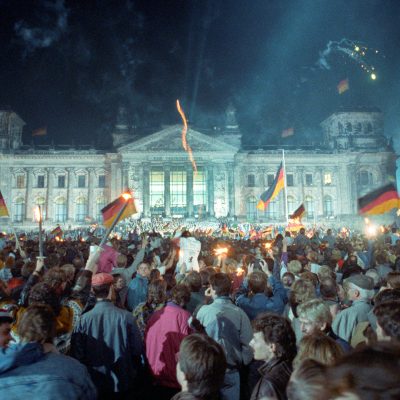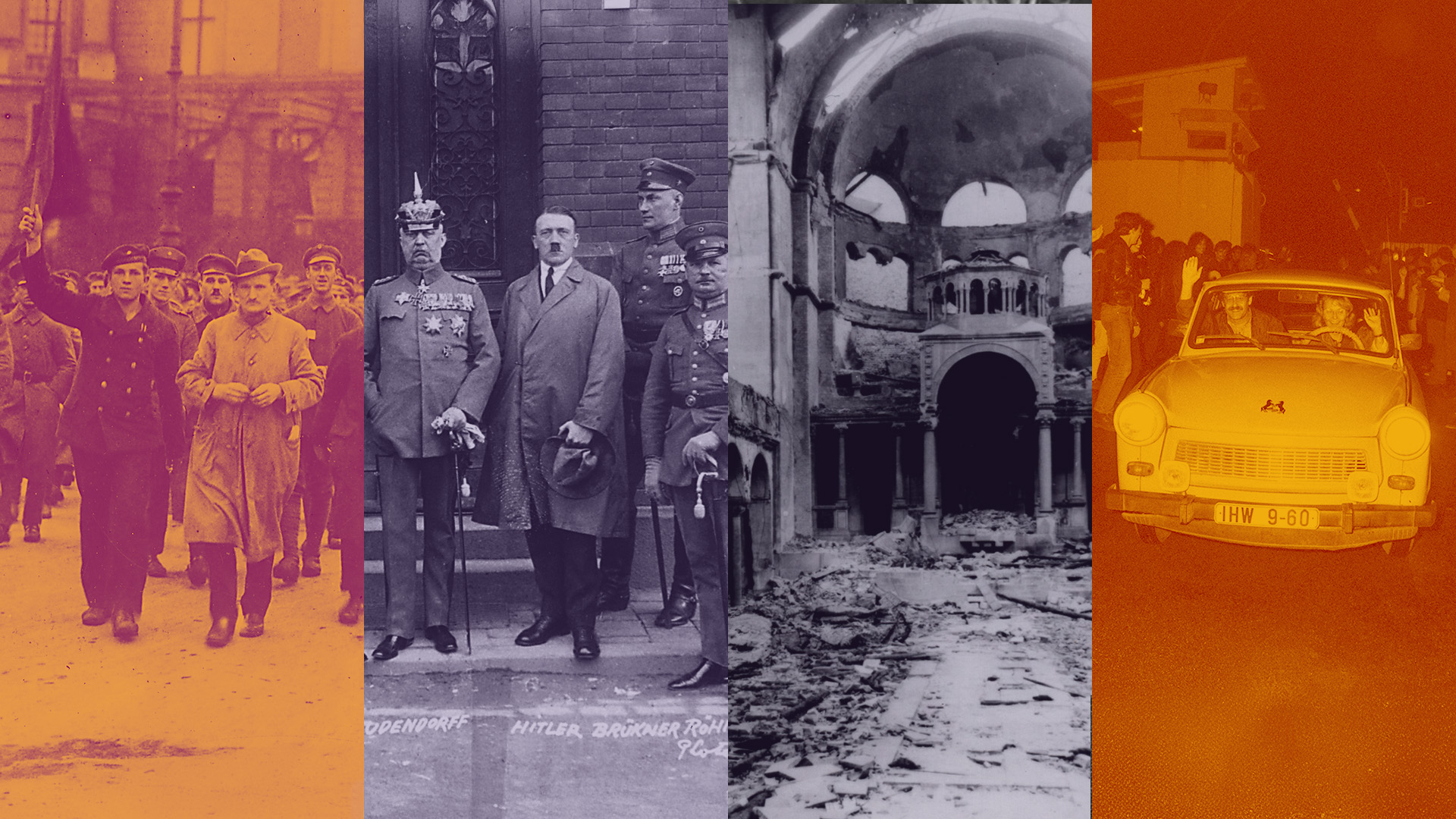
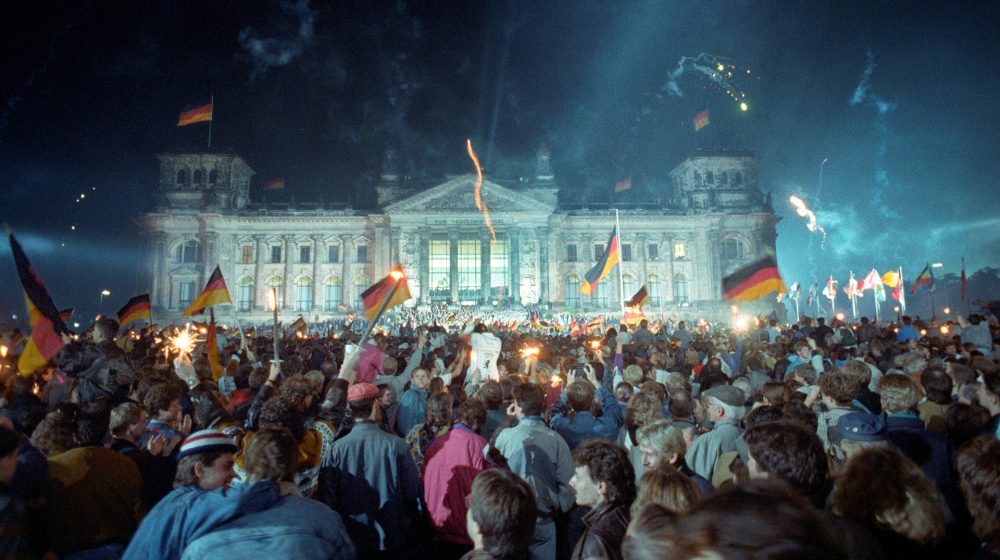

The accession of the new federal states leads to German reunification
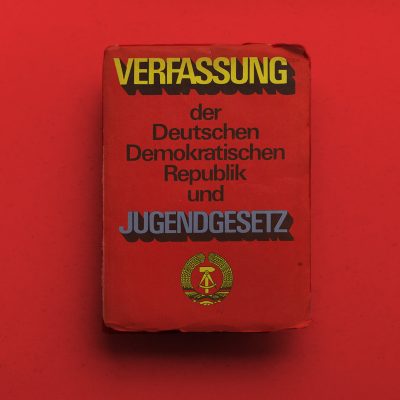
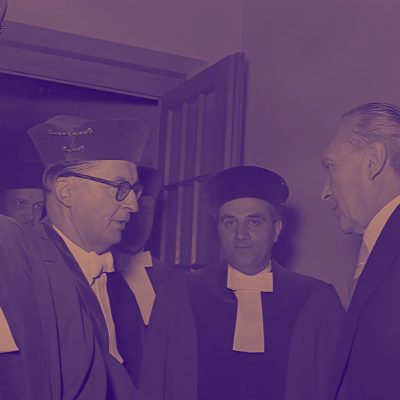
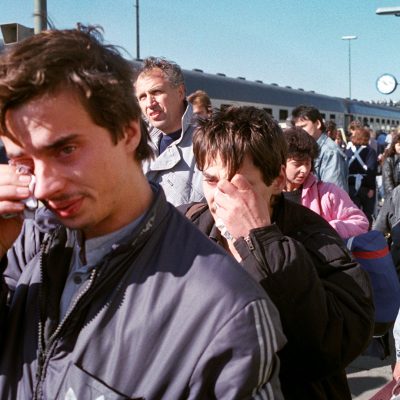
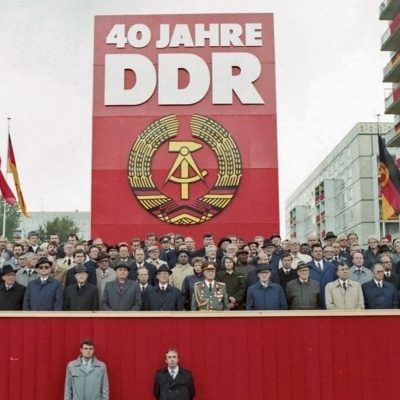
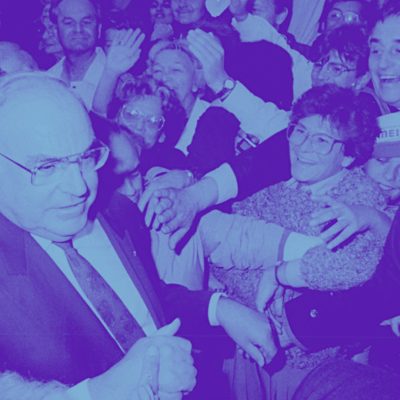
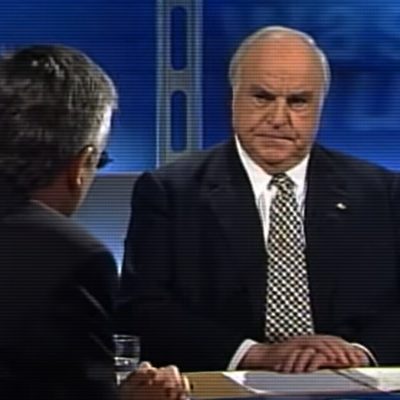
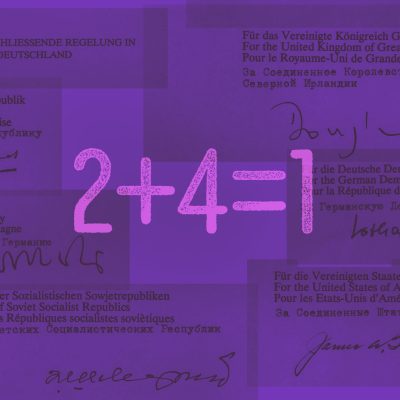
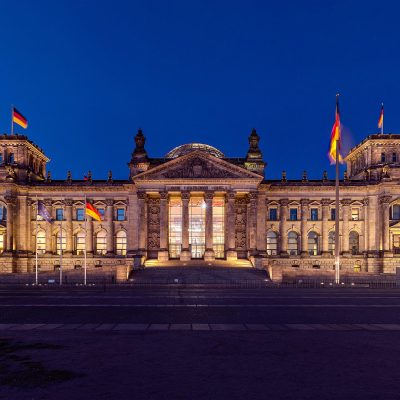
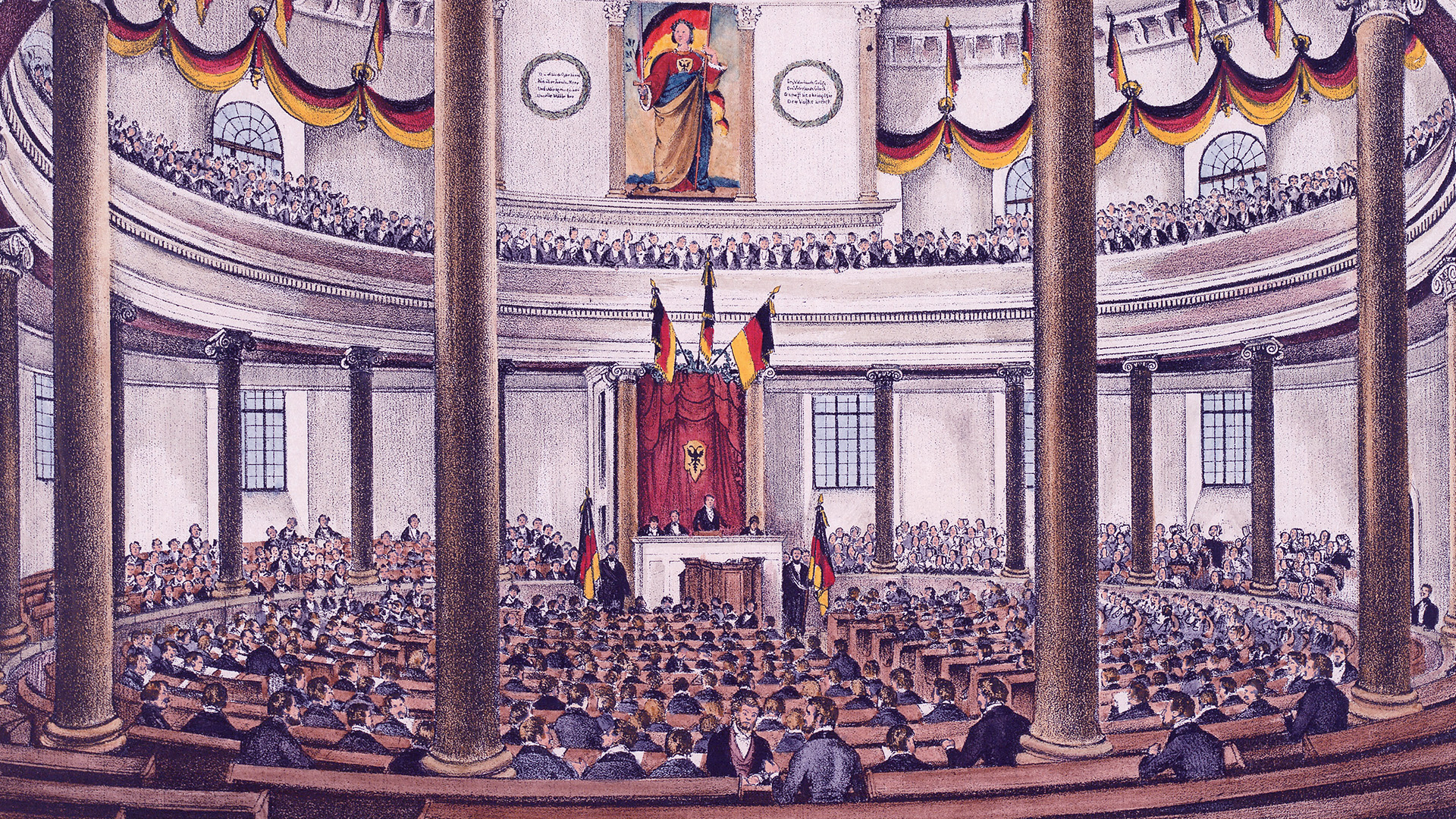
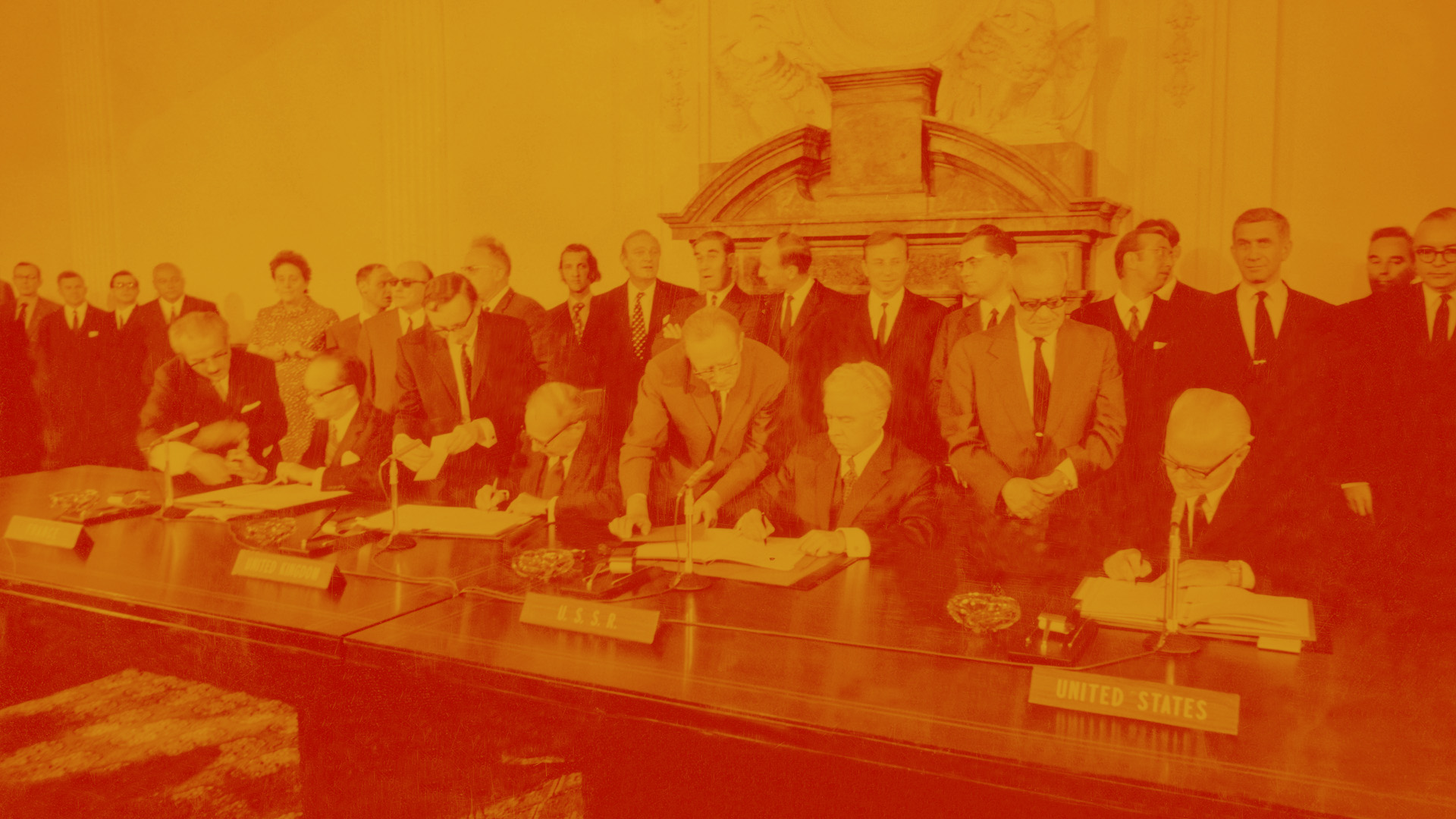
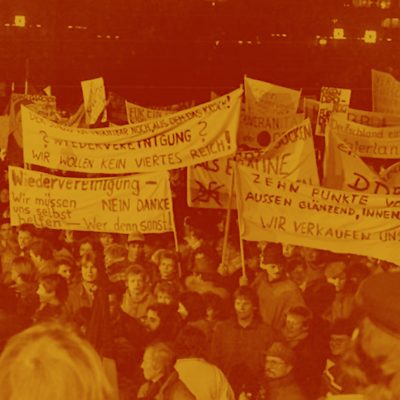
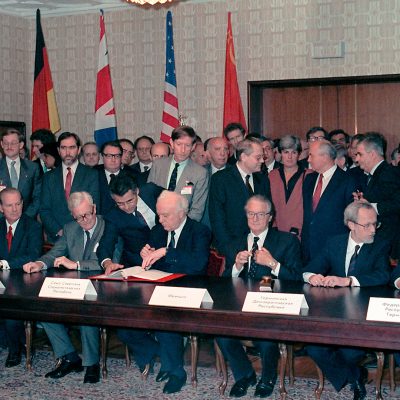
The dissolution of the Holy Roman Empire in 1806 left a gap in the European map for the name “Germany”. Although the first German nation state was formed in 1871, the excesses of the Third Reich resulted in 45 years of division after the Second World War. This was overcome by the peaceful revolution in the DDR in 1989 and the subsequent unification process. The first free elections held in the DDR in the spring of 1990 returned a majority intent on achieving German reunification; revelations of the impending East German economic collapse meant that it had to happen quickly. On 3 October 1990, the recently formed federal states of the DDR officially acceded to the jurisdiction of the Basic Law in accordance with Article 23.
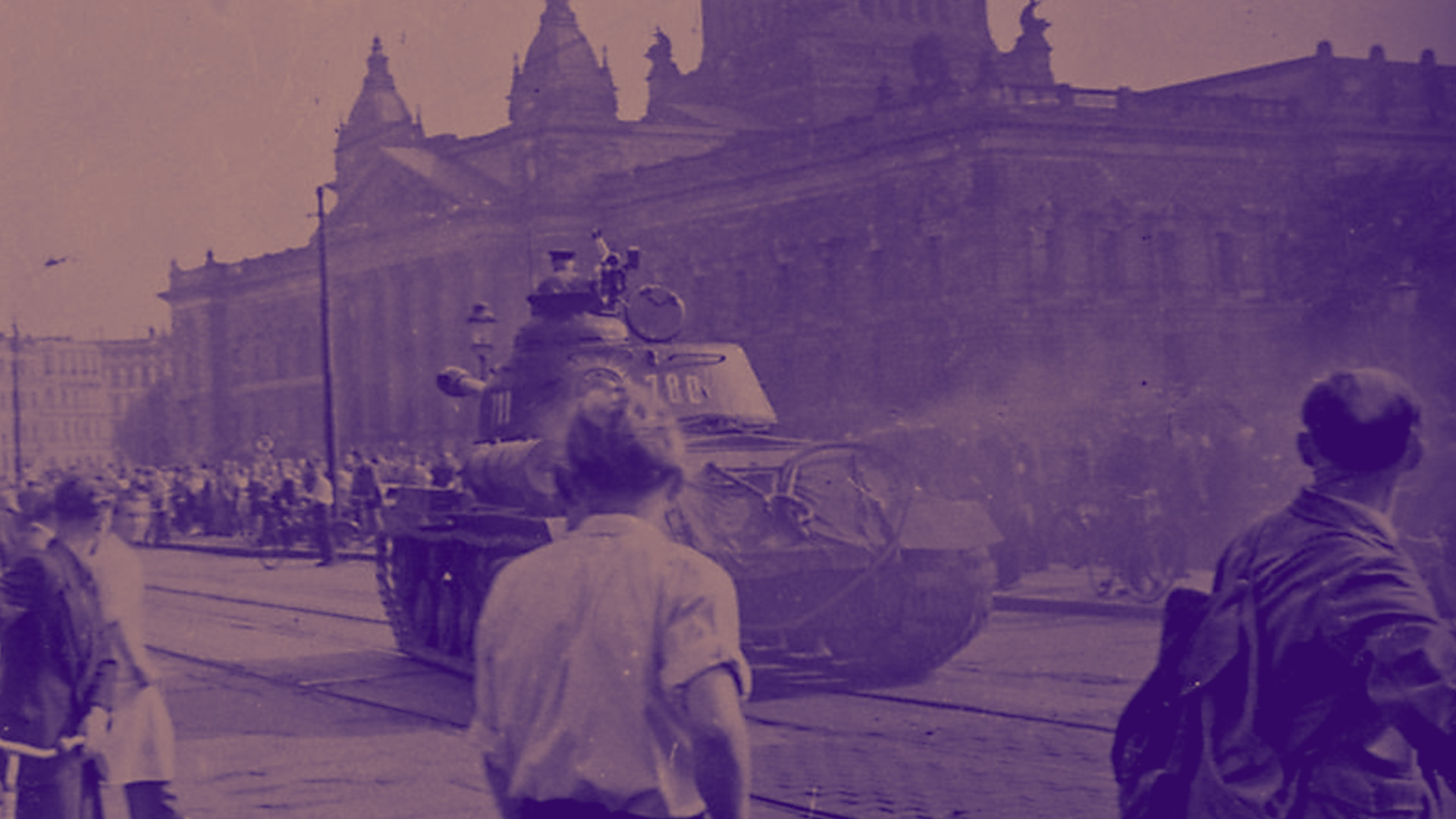
The West German national holiday had previously been held on 17 June. Not just commemorating the suppression of the East German People’s Uprising from 1953, West Germany also looked forward to a possible reunification. Once this had been achieved, the people of the new state were given a day off work to commemorate the event of 3 October 1990. Many would have preferred to celebrate the fall of the Berlin Wall on 9 November, but that date also marked the night of anti-Jewish violence of 1938, a day of shame that could not be celebrated.

The whole year at a glance




![Lithografie von Johann Nepomuk Heinemann [koloriert], nach Ölgemälde von Feodor Dietz (Foto: LABW, GLAK)](https://www.deutschlandmuseum.de/wp-content/uploads/2025/02/02031689_Zerstoerung_Heidelbergs-400x400.jpg "Lithografie von Johann Nepomuk Heinemann [koloriert], nach Ölgemälde von Feodor Dietz (Foto: LABW, GLAK)")


![Unter den Unterzeichnern sind die Nobelpreisträger Otto Hahn, Werner Heisenberg und Max Born [digital koloriert] (Quelle: Landesarchiv BW Staatsarchiv Freiburg, CC-BY-SA)](https://www.deutschlandmuseum.de/wp-content/uploads/2025/04/12041957_Göttinger_Erklärung-400x400.jpg "Unter den Unterzeichnern sind die Nobelpreisträger Otto Hahn, Werner Heisenberg und Max Born [digital koloriert] (Quelle: Landesarchiv BW Staatsarchiv Freiburg, CC-BY-SA)")



](https://www.deutschlandmuseum.de/wp-content/uploads/2025/04/21041946_SED_Gründung-1-400x400.jpg "Vereinigungsparteitag von KPD und SPD zur SED [digital koloriert](Quelle: Deutsche Fotothek, CC BY-SA 3.0 DE)")





![Alexander von Humboldt [Ausschnitt], Gemälde von Friedrich Georg Weitsch (Quelle: Alte Nationalgalerie)](https://www.deutschlandmuseum.de/wp-content/uploads/2025/09/14091769_Humboldt-400x400.jpg "Alexander von Humboldt [Ausschnitt], Gemälde von Friedrich Georg Weitsch (Quelle: Alte Nationalgalerie)")


![Albert Einstein im Patentamt Bern, 1905 [digital koloriert] (Quelle: ETH-Bibliothek Zürich)](https://www.deutschlandmuseum.de/wp-content/uploads/2025/09/26091905_Einstein_koloriert-400x400.jpg "Albert Einstein im Patentamt Bern, 1905 [digital koloriert] (Quelle: ETH-Bibliothek Zürich)")