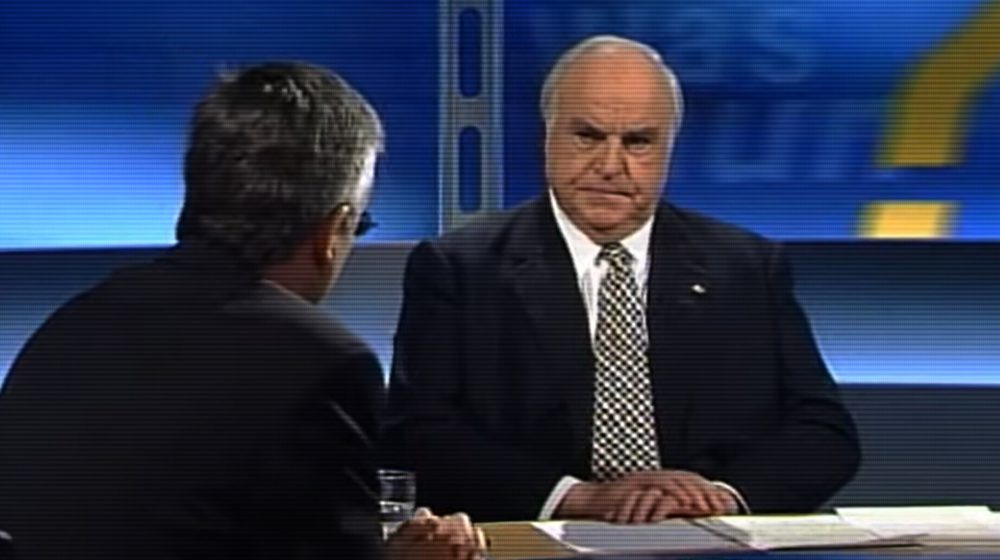

Former Chancellor Kohl admits to receiving illegal donations
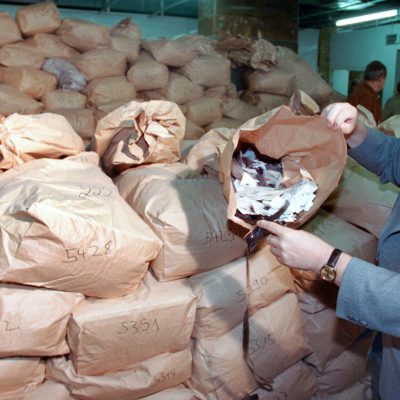
Founded in 1954 to provide finance for political parties, the not-for-profit Civic Association (Staatsbürgerliche Vereinigung) enabled banks and businesses to make anonymous donations to business-friendly parties such as the CDU or FDP and to deduct these donations from their taxable income. Years later, this practice was declared illegal. Although a new party law also prohibited such donations, the CDU apparently continued to receive secret payments through this channel. Several scandals raised suspicions that these donations were made to influence specific political decisions. When the Staatsbürgerliche Vereinigung was dissolved in 1990, auditors found that millions of marks had gone missing. Later investigations were also launched against a former CDU treasurer in connection with an untaxed payment received by the party from an arms dealer. It soon emerged that the CDU had been channelling donations into secret bank accounts in Germany and Switzerland for years.
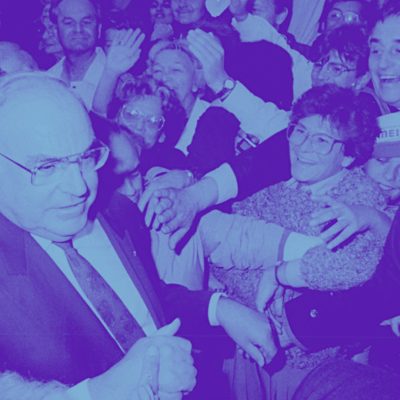
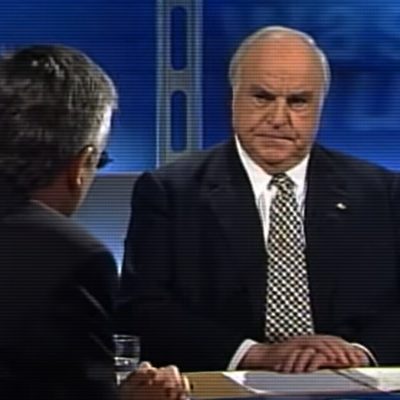
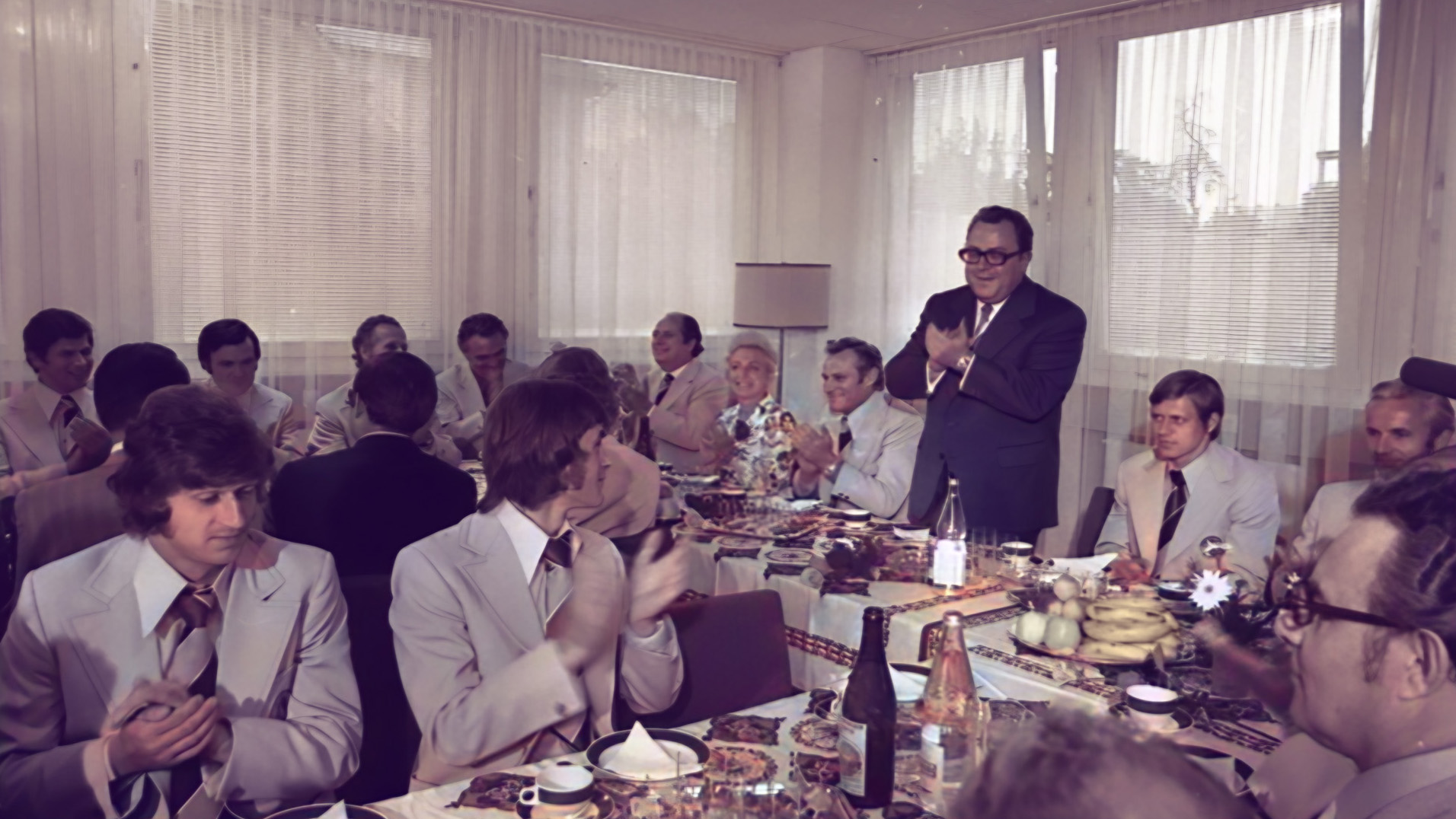
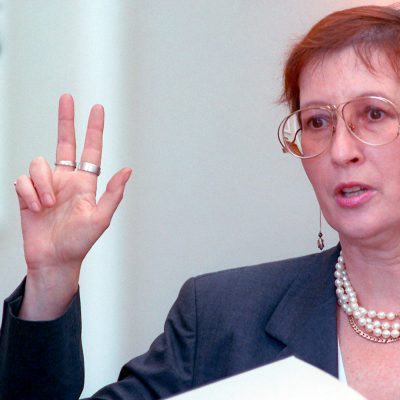
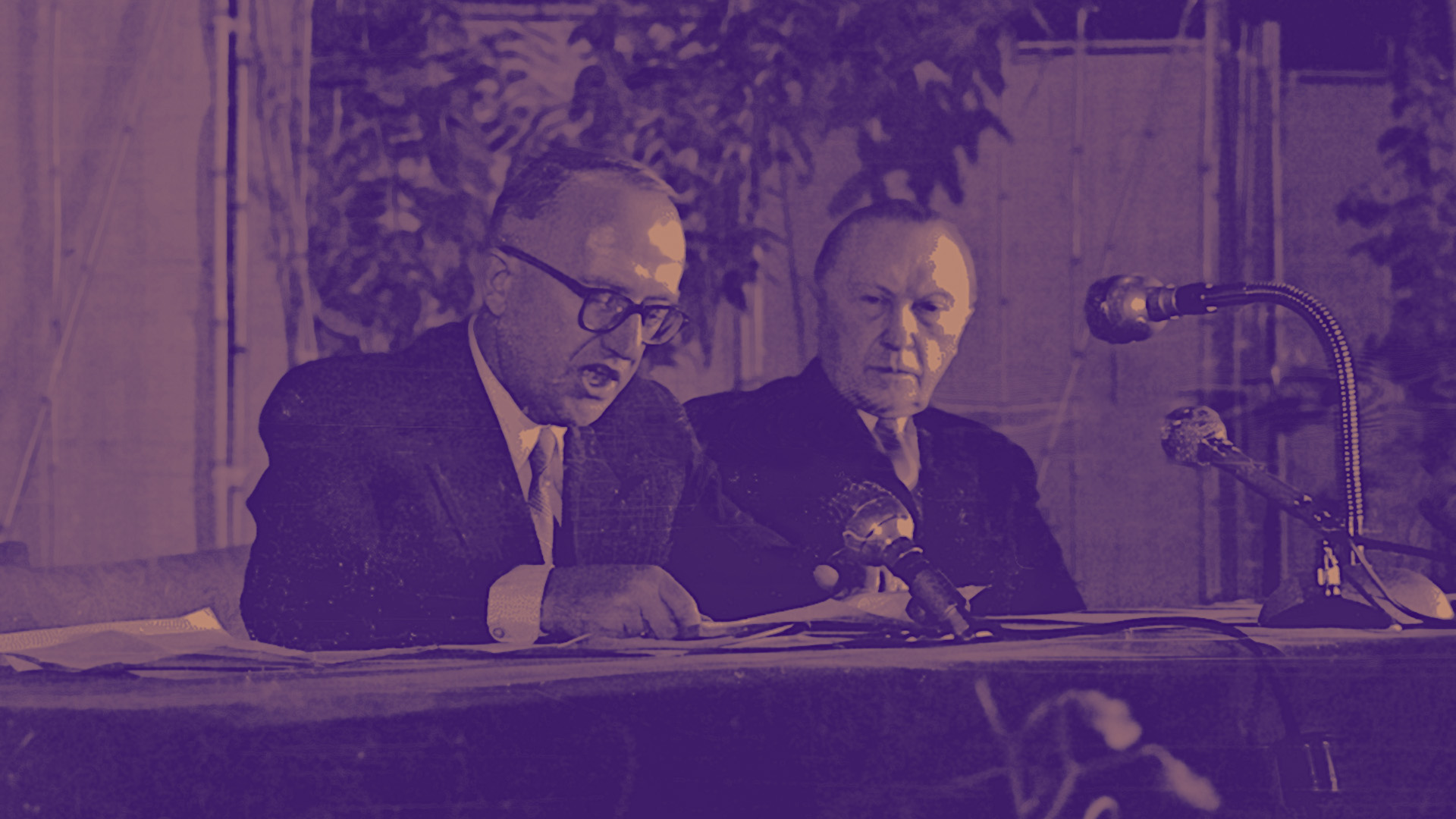
Although Helmut Kohl initially claimed to have known nothing about this, he realized that he would have to own up. On 16 December 1999, he admitted on live television that the CDU had accepted up to two million Deutschmarks of donations in cash and that he had instructed party officials not to record it on the books. His excuse: his party had allegedly had to make do with significantly less money than its competitors during the election campaigns in the new federal states in East Germany. Kohl spoke of his promise that the donors would remain anonymous and portrayed himself as a man of honour: “I have no intention of naming them because I gave my word.” The law stipulated that illegal party payments were punishable by a fine of up to three times the amount involved, and Kohl organized a fundraising campaign to pay back six million Deutschmarks to the state. The Bonn public prosecutor’s office then dropped its investigation into suspected embezzlement in exchange for a fine of 300,000 Deutschmarks, citing minor culpability.


The whole year at a glance







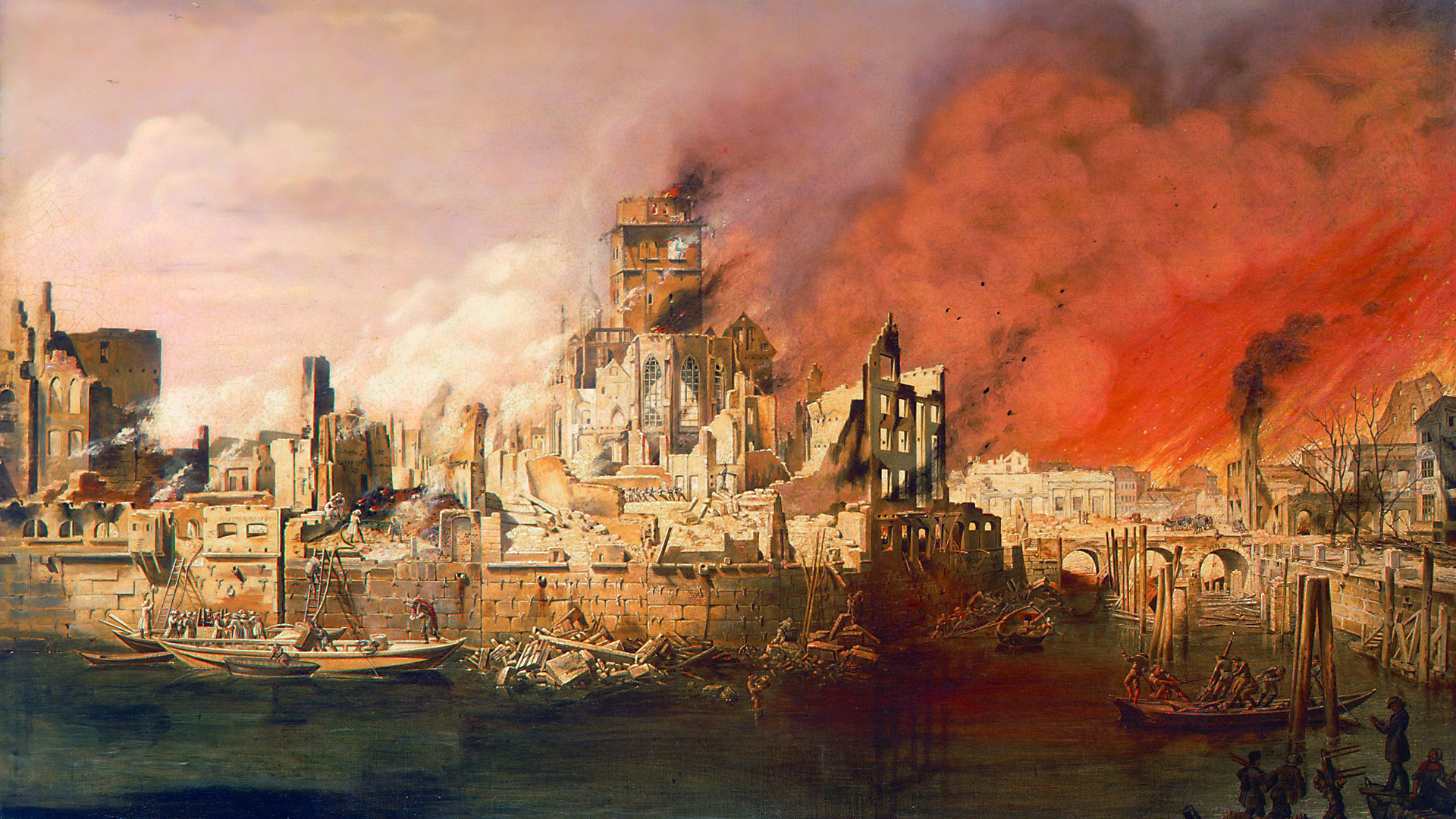
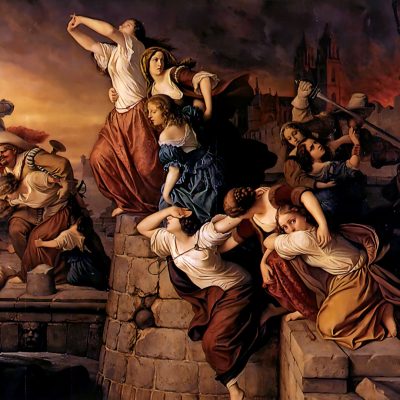
![Lithografie von Johann Nepomuk Heinemann [koloriert], nach Ölgemälde von Feodor Dietz (Foto: LABW, GLAK)](https://www.deutschlandmuseum.de/wp-content/uploads/2025/02/02031689_Zerstoerung_Heidelbergs-400x400.jpg "Lithografie von Johann Nepomuk Heinemann [koloriert], nach Ölgemälde von Feodor Dietz (Foto: LABW, GLAK)")




![Unter den Unterzeichnern sind die Nobelpreisträger Otto Hahn, Werner Heisenberg und Max Born [digital koloriert] (Quelle: Landesarchiv BW Staatsarchiv Freiburg, CC-BY-SA)](https://www.deutschlandmuseum.de/wp-content/uploads/2025/04/12041957_Göttinger_Erklärung-400x400.jpg "Unter den Unterzeichnern sind die Nobelpreisträger Otto Hahn, Werner Heisenberg und Max Born [digital koloriert] (Quelle: Landesarchiv BW Staatsarchiv Freiburg, CC-BY-SA)")




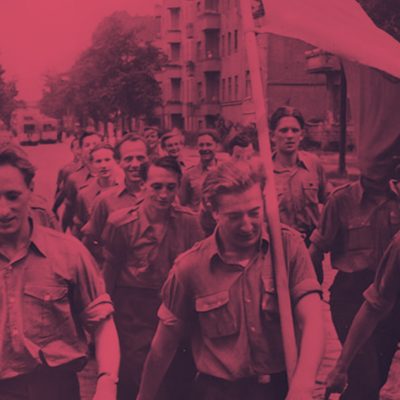
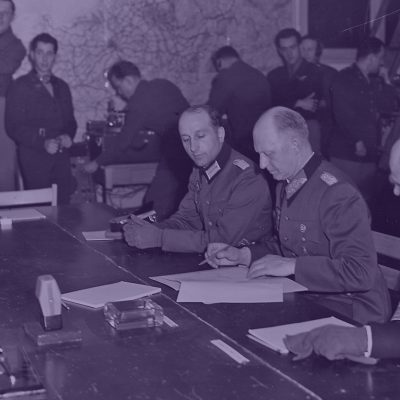
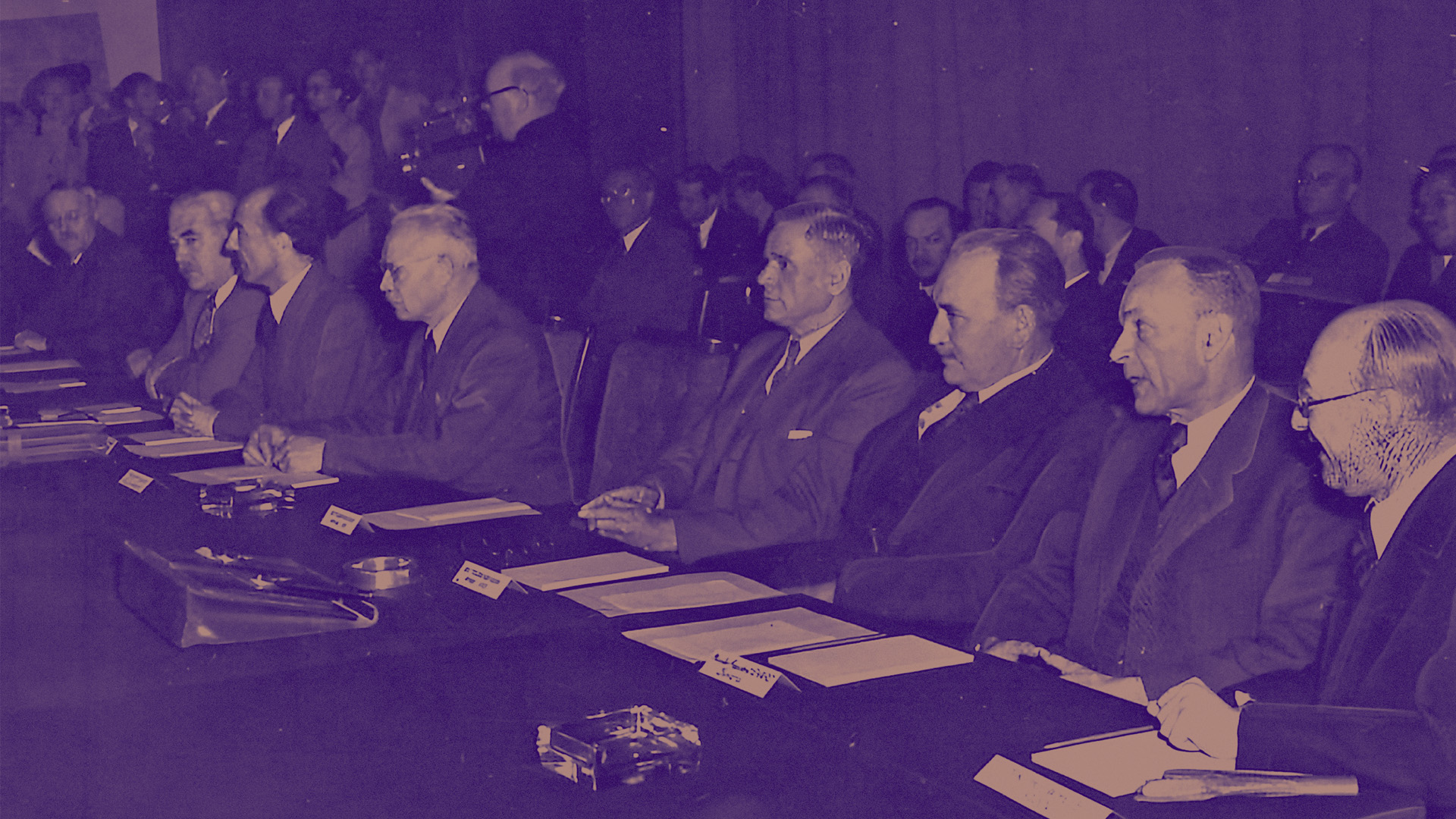
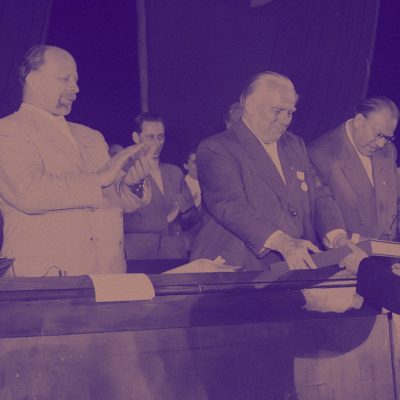
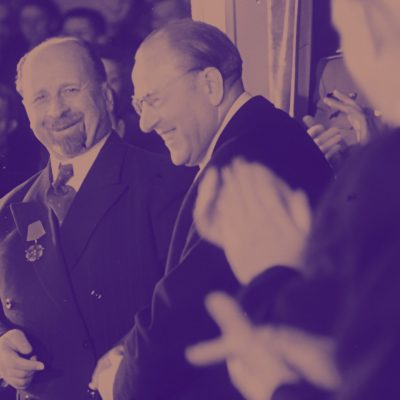
](https://www.deutschlandmuseum.de/wp-content/uploads/2025/04/21041946_SED_Gründung-1-400x400.jpg "Vereinigungsparteitag von KPD und SPD zur SED [digital koloriert](Quelle: Deutsche Fotothek, CC BY-SA 3.0 DE)")



















![Alexander von Humboldt [Ausschnitt], Gemälde von Friedrich Georg Weitsch (Quelle: Alte Nationalgalerie)](https://www.deutschlandmuseum.de/wp-content/uploads/2025/09/14091769_Humboldt-400x400.jpg "Alexander von Humboldt [Ausschnitt], Gemälde von Friedrich Georg Weitsch (Quelle: Alte Nationalgalerie)")



![Albert Einstein im Patentamt Bern, 1905 [digital koloriert] (Quelle: ETH-Bibliothek Zürich)](https://www.deutschlandmuseum.de/wp-content/uploads/2025/09/26091905_Einstein_koloriert-400x400.jpg "Albert Einstein im Patentamt Bern, 1905 [digital koloriert] (Quelle: ETH-Bibliothek Zürich)")