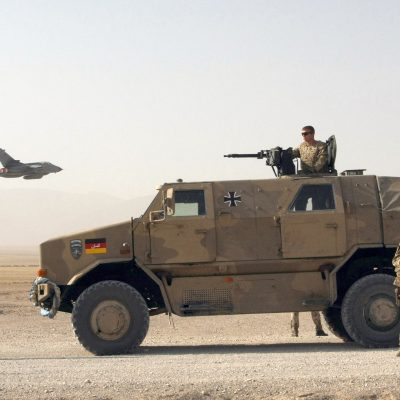
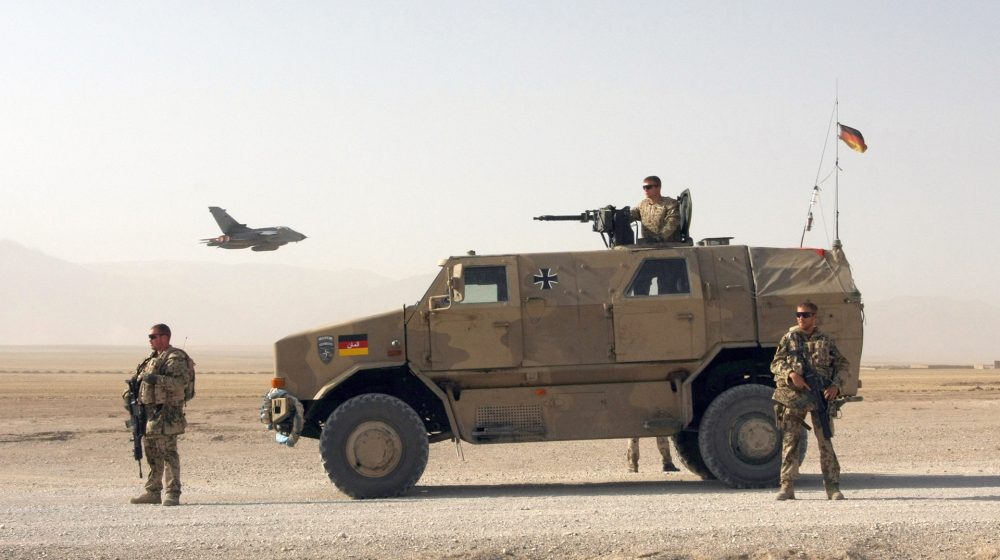

The Bundeswehr’s largest and most costly foreign mission begins in Afghanistan
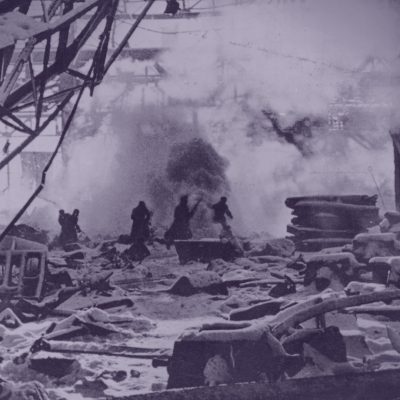
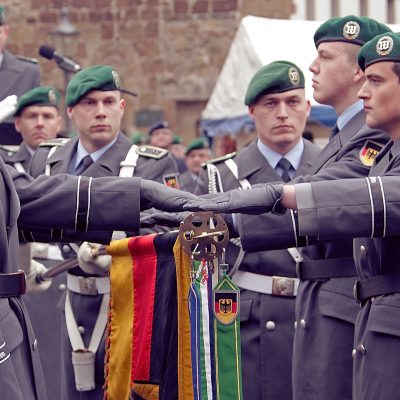
Following the terrorist attacks of 11 September 2001, in which hijacked aircraft were crashed into the Twin Towers in New York and the Pentagon, killing 3,000 people, NATO invoked Article 5 of its treaty for the first time. This obliged the alliance’s members, including Germany, to respond to what was classed as an armed attack on the USA. After US forces and their allies had routed the Taliban, who were suspected of harbouring Osama bin Laden, the mastermind behind the 9/11 attacks, the International Security Assistance Force (ISAF) was established to help rebuild the war-torn country. On 22 December 2001, the Bundestag approved Germany’s participation and renewed the mission several times. The ISAF assigned German forces the responsibility of maintaining peace and establishing state structures in a region in northern Afghanistan. Responsibility for combat was handed over to local forces in 2013, and German troops withdrew in 2021.
At any one time, more than 5,300 German soldiers were deployed in Afghanistan, with around 90,000 serving in total. 59 Bundeswehr soldiers lost their lives. When the Taliban regained power, the Afghan security forces, some of whom had undergone extensive training, offered little resistance. Consequently, Germany’s civilian aid programmes in areas such as electricity and water supply, teacher training, and micro-loan initiatives were only short-term successes. This was the most expensive and personnel-intensive deployment of German troops abroad, and it showed the limits of nation-building programmes. Many Afghan auxiliaries who worked for the Germans and were promised support are still waiting for asylum in Germany.


The whole year at a glance







![Lithografie von Johann Nepomuk Heinemann [koloriert], nach Ölgemälde von Feodor Dietz (Foto: LABW, GLAK)](https://www.deutschlandmuseum.de/wp-content/uploads/2025/02/02031689_Zerstoerung_Heidelbergs-400x400.jpg "Lithografie von Johann Nepomuk Heinemann [koloriert], nach Ölgemälde von Feodor Dietz (Foto: LABW, GLAK)")




![Unter den Unterzeichnern sind die Nobelpreisträger Otto Hahn, Werner Heisenberg und Max Born [digital koloriert] (Quelle: Landesarchiv BW Staatsarchiv Freiburg, CC-BY-SA)](https://www.deutschlandmuseum.de/wp-content/uploads/2025/04/12041957_Göttinger_Erklärung-400x400.jpg "Unter den Unterzeichnern sind die Nobelpreisträger Otto Hahn, Werner Heisenberg und Max Born [digital koloriert] (Quelle: Landesarchiv BW Staatsarchiv Freiburg, CC-BY-SA)")




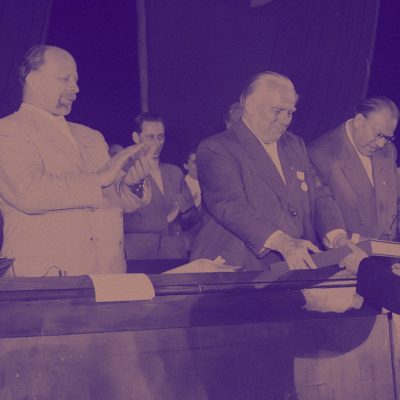
](https://www.deutschlandmuseum.de/wp-content/uploads/2025/04/21041946_SED_Gründung-1-400x400.jpg "Vereinigungsparteitag von KPD und SPD zur SED [digital koloriert](Quelle: Deutsche Fotothek, CC BY-SA 3.0 DE)")














![Alexander von Humboldt [Ausschnitt], Gemälde von Friedrich Georg Weitsch (Quelle: Alte Nationalgalerie)](https://www.deutschlandmuseum.de/wp-content/uploads/2025/09/14091769_Humboldt-400x400.jpg "Alexander von Humboldt [Ausschnitt], Gemälde von Friedrich Georg Weitsch (Quelle: Alte Nationalgalerie)")



![Albert Einstein im Patentamt Bern, 1905 [digital koloriert] (Quelle: ETH-Bibliothek Zürich)](https://www.deutschlandmuseum.de/wp-content/uploads/2025/09/26091905_Einstein_koloriert-400x400.jpg "Albert Einstein im Patentamt Bern, 1905 [digital koloriert] (Quelle: ETH-Bibliothek Zürich)")