
The alliance of a number of German cities establishes the league as a major regional power
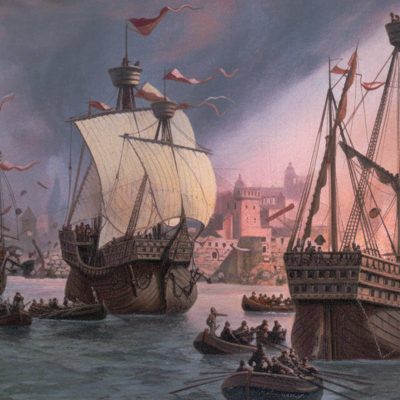
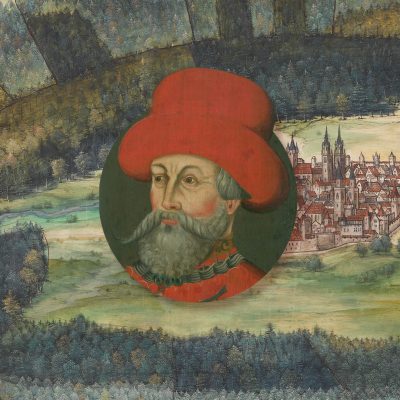
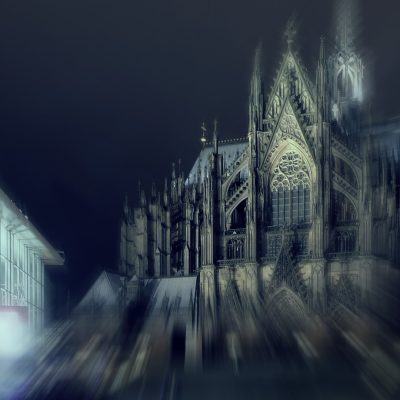
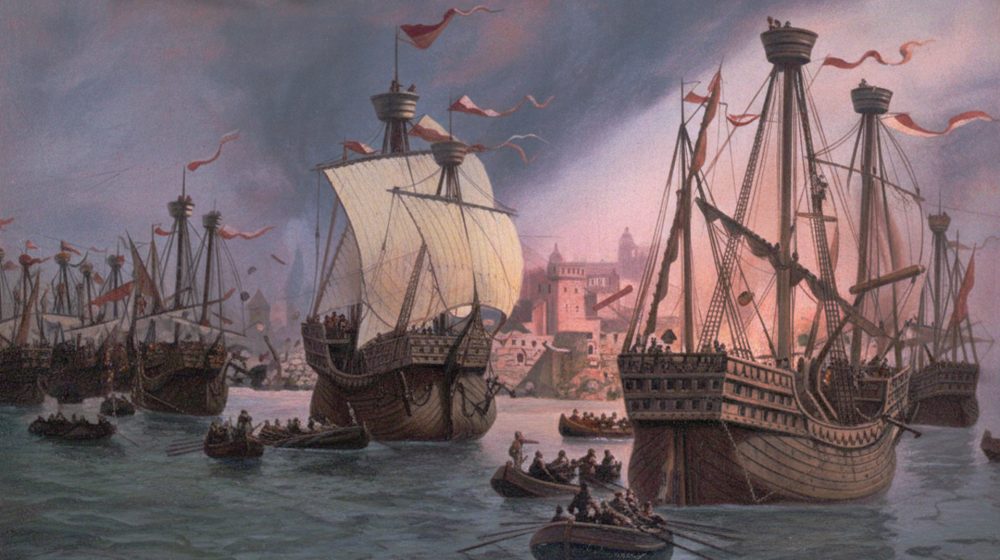
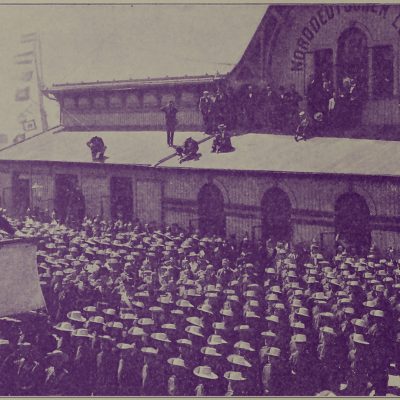
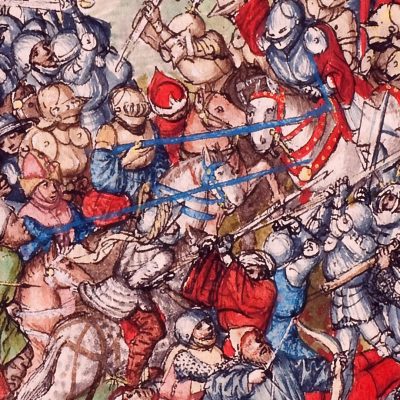
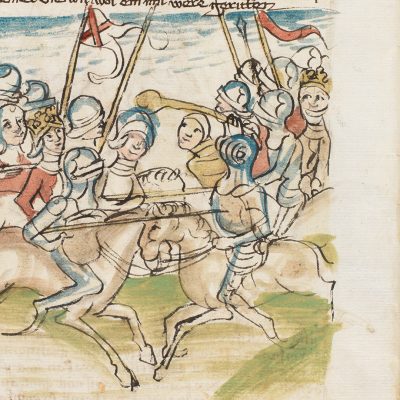
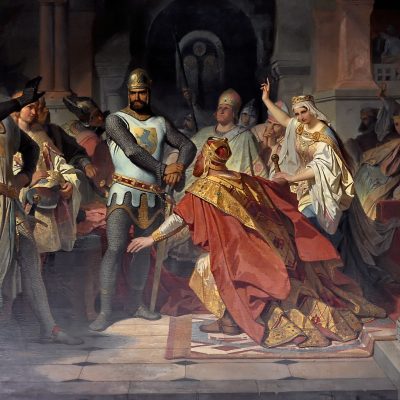
Confronted by rough seas, pirates and misfortune, the merchants of northern Germany formed the Hanseatic League to protect and promote the economic interests of its member cities. They did this by establishing trade routes, ensuring safe passage and securing favourable trading conditions, making the transport of goods safer, and asserting their common economic interests in the North Sea and Baltic Sea. Seeking to break the economic dominance established by the league by the 14th century, the Danish king Waldemar IV took military action, defeating the forces of the Hanseatic League in the First Waldemar War. To establish a broad military alliance against Denmark, the league called a meeting of its members in Cologne on 19 November 1367. Almost all the major trading cities near the sea between Holland and Estonia joined together in what became known as the “Cologne Confederation”.
The new alliance sent warships to bombard Copenhagen, eventually defeating Denmark in the Second Waldemar War. Following the Peace of Stralsund, the privileges of the Hanseatic cities were restored and the Cologne Confederation was maintained. With over 70 core members and a further 130 loosely affiliated cities, the Hanseatic League reached the height of its power in the Baltic region towards the end of the 14th century. However, it was unable to maintain this position in the long term.


The whole year at a glance






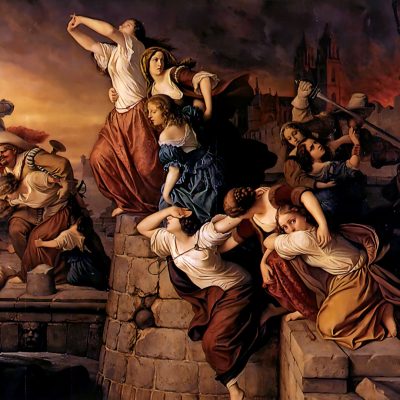
![Lithografie von Johann Nepomuk Heinemann [koloriert], nach Ölgemälde von Feodor Dietz (Foto: LABW, GLAK)](https://www.deutschlandmuseum.de/wp-content/uploads/2025/02/02031689_Zerstoerung_Heidelbergs-400x400.jpg "Lithografie von Johann Nepomuk Heinemann [koloriert], nach Ölgemälde von Feodor Dietz (Foto: LABW, GLAK)")

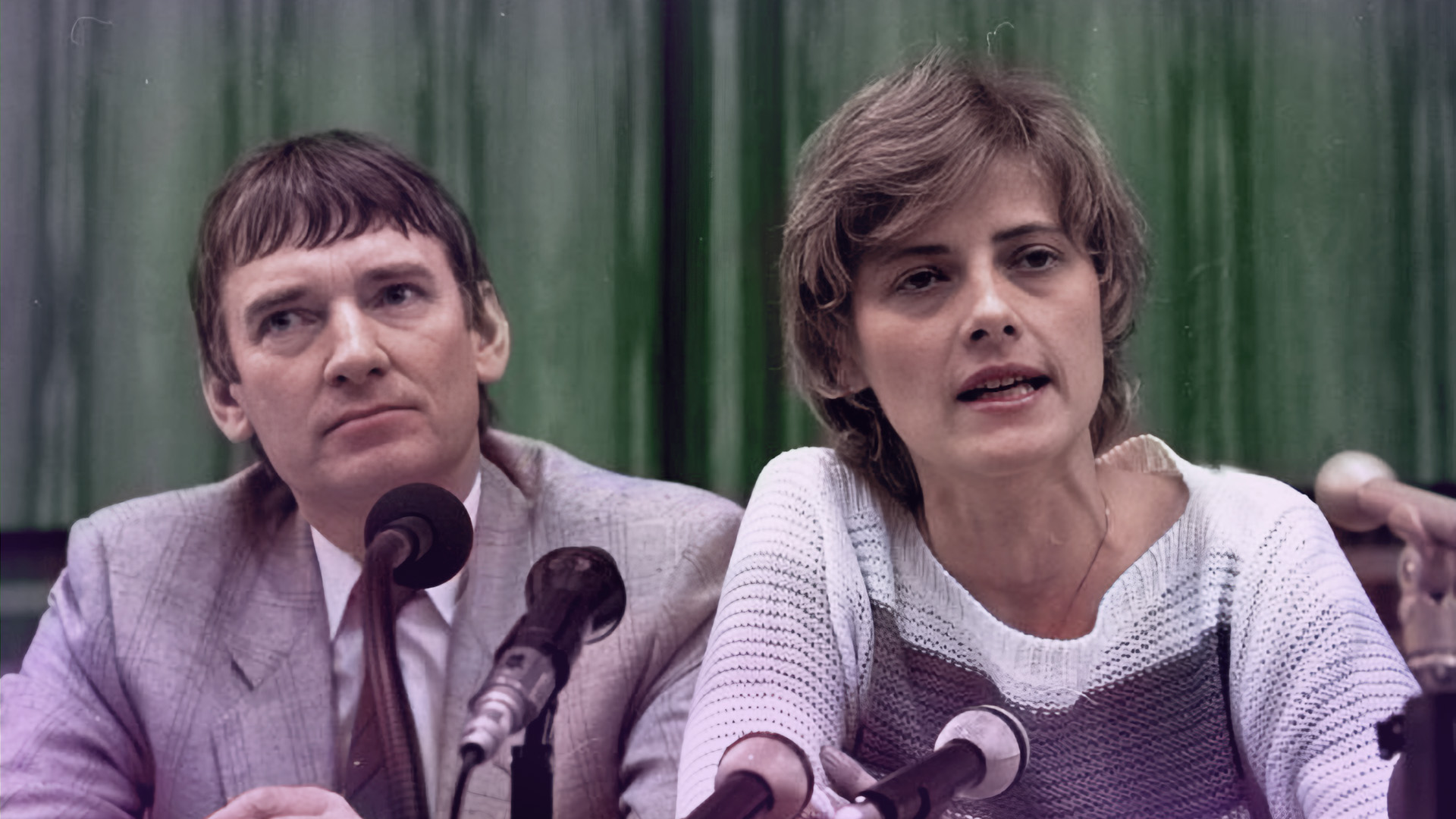



![Unter den Unterzeichnern sind die Nobelpreisträger Otto Hahn, Werner Heisenberg und Max Born [digital koloriert] (Quelle: Landesarchiv BW Staatsarchiv Freiburg, CC-BY-SA)](https://www.deutschlandmuseum.de/wp-content/uploads/2025/04/12041957_Göttinger_Erklärung-400x400.jpg "Unter den Unterzeichnern sind die Nobelpreisträger Otto Hahn, Werner Heisenberg und Max Born [digital koloriert] (Quelle: Landesarchiv BW Staatsarchiv Freiburg, CC-BY-SA)")




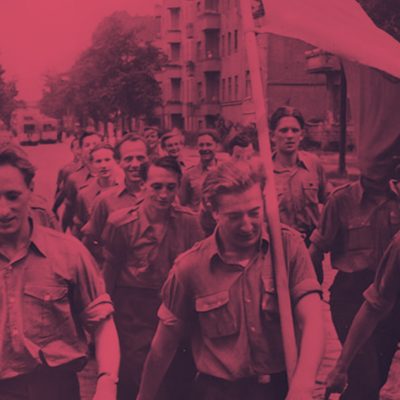
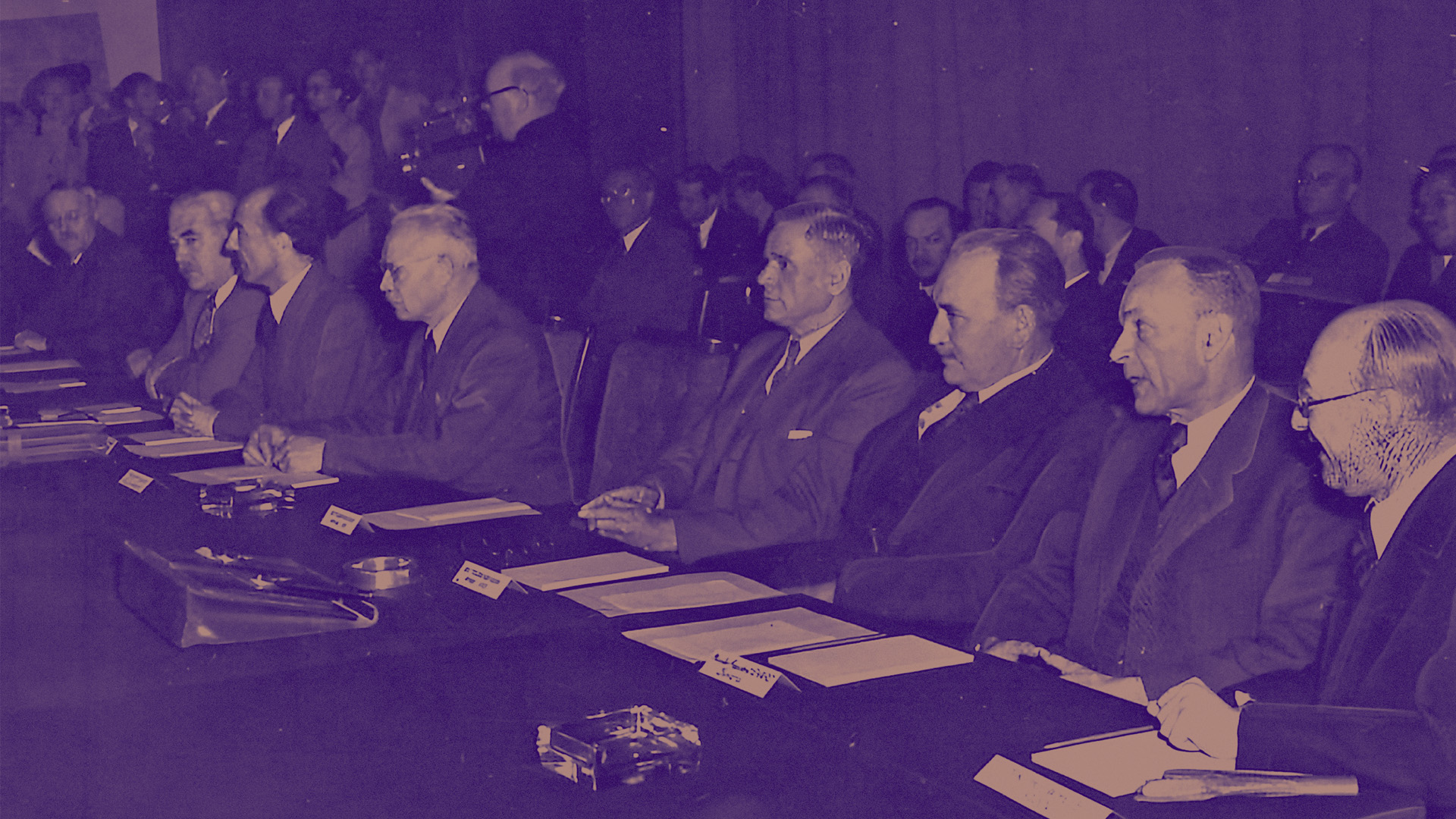
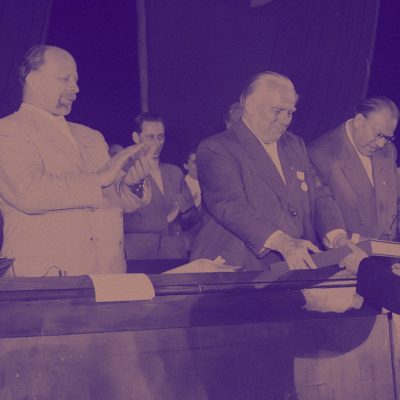
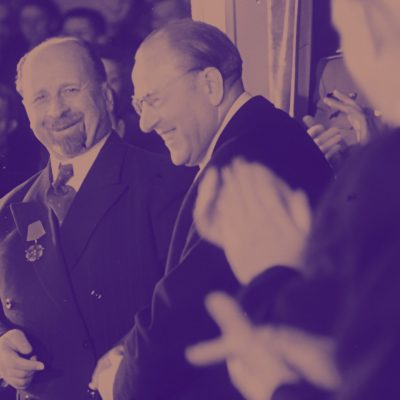
](https://www.deutschlandmuseum.de/wp-content/uploads/2025/04/21041946_SED_Gründung-1-400x400.jpg "Vereinigungsparteitag von KPD und SPD zur SED [digital koloriert](Quelle: Deutsche Fotothek, CC BY-SA 3.0 DE)")

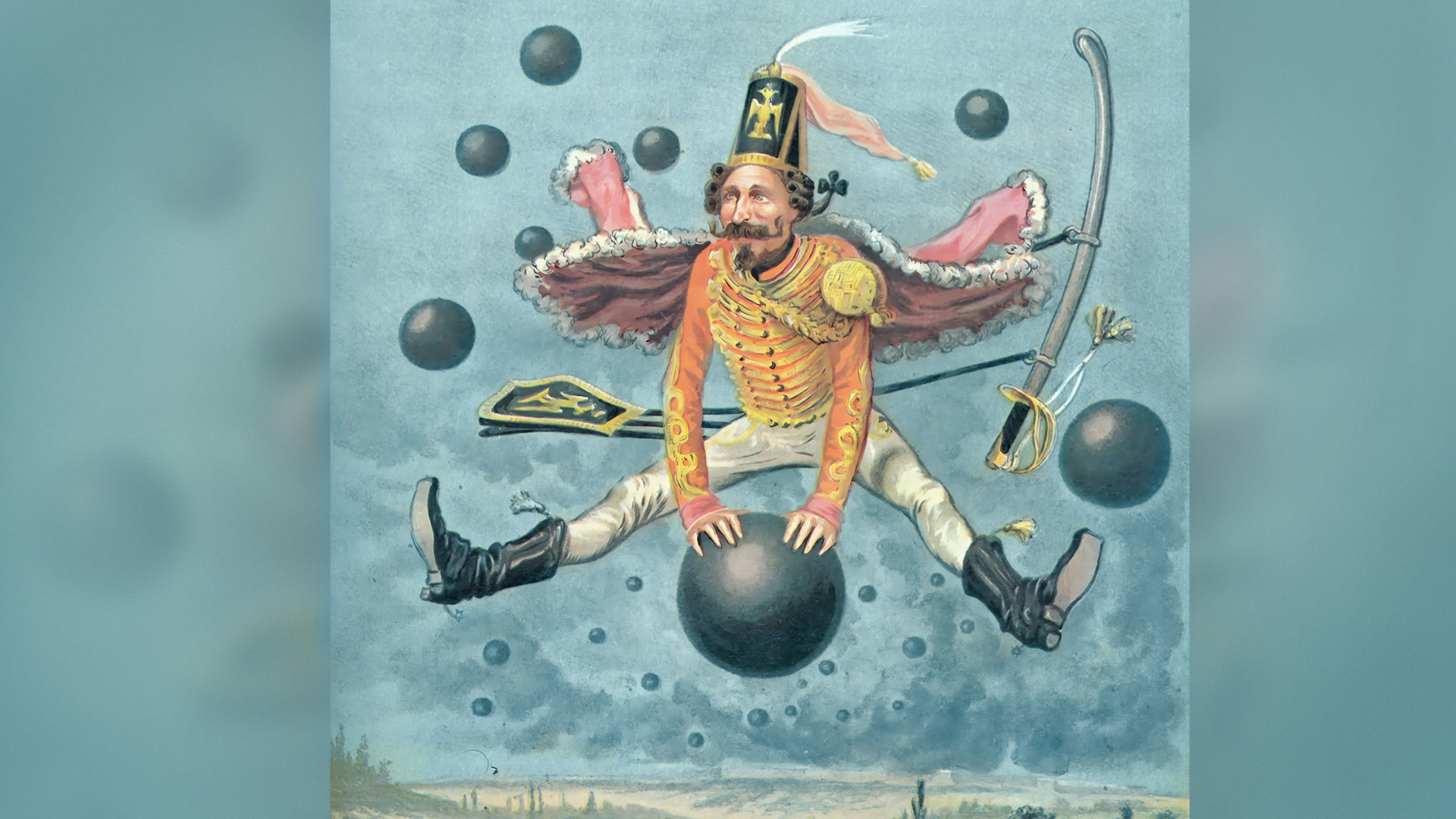
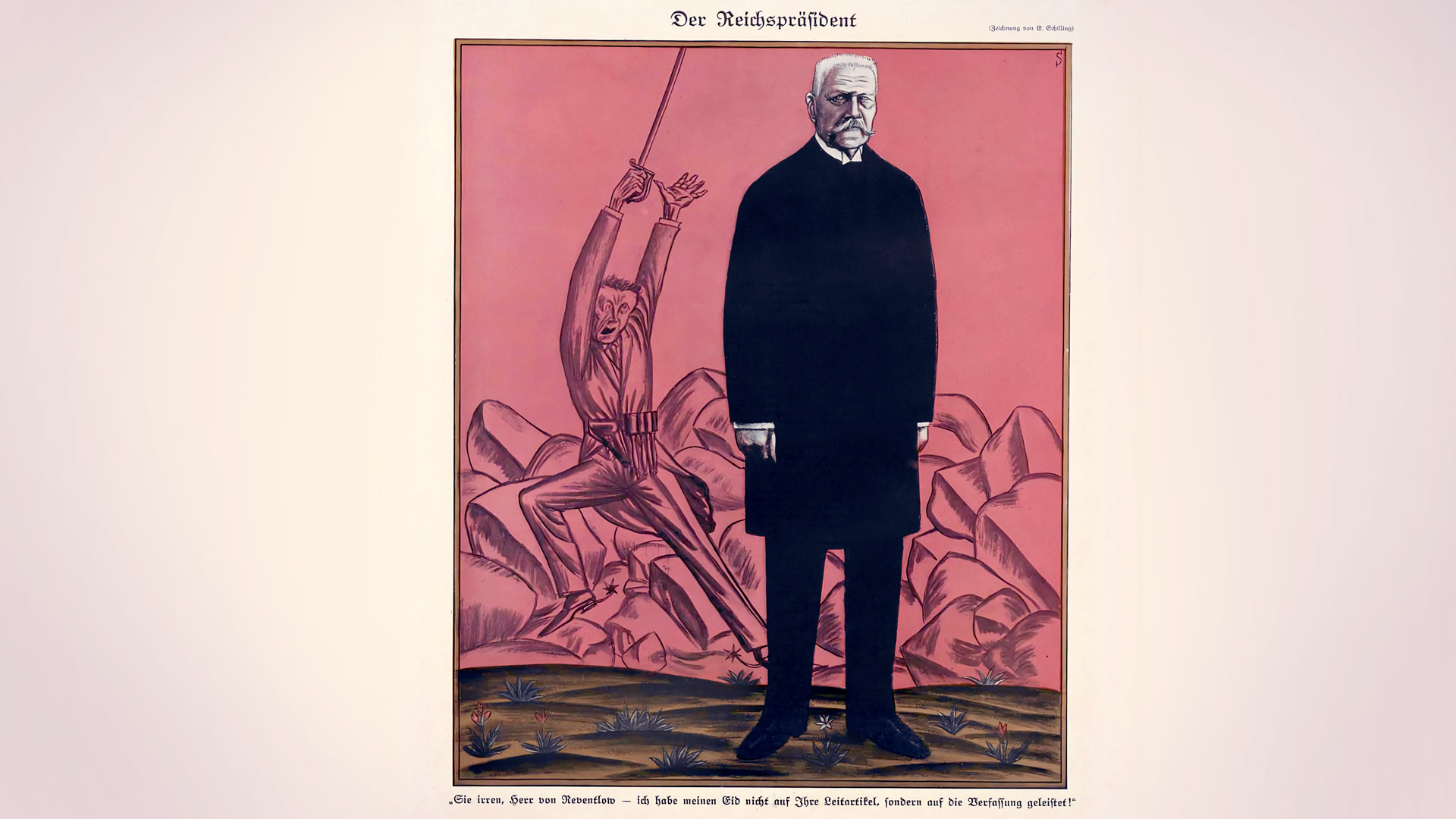

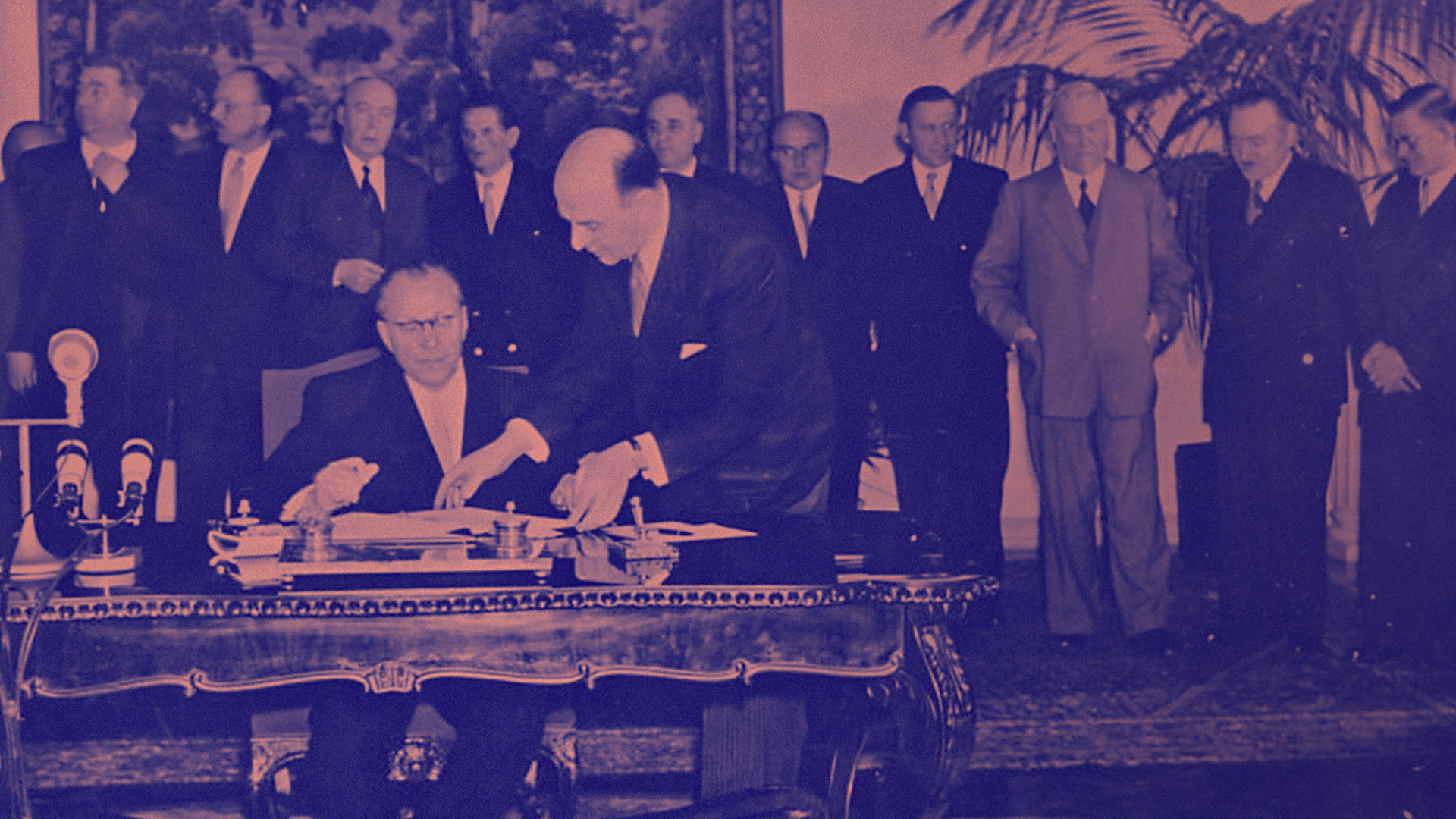
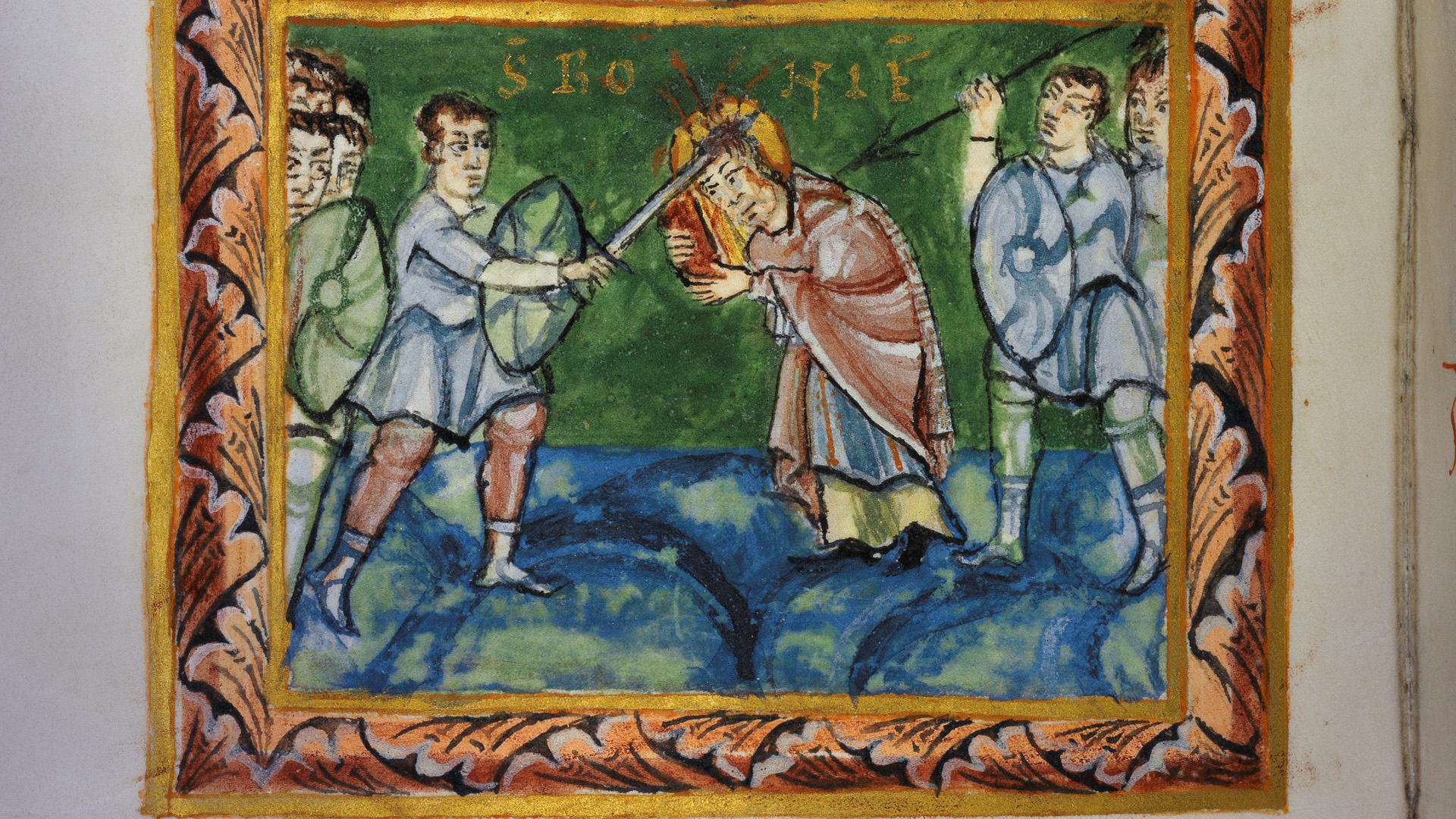


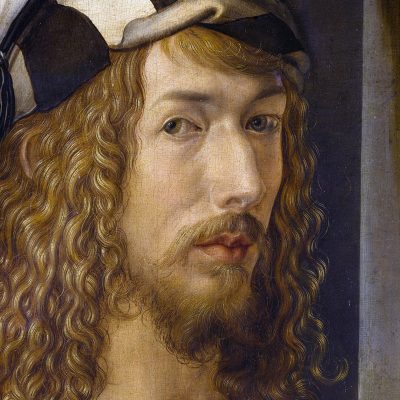









![Alexander von Humboldt [Ausschnitt], Gemälde von Friedrich Georg Weitsch (Quelle: Alte Nationalgalerie)](https://www.deutschlandmuseum.de/wp-content/uploads/2025/09/14091769_Humboldt-400x400.jpg "Alexander von Humboldt [Ausschnitt], Gemälde von Friedrich Georg Weitsch (Quelle: Alte Nationalgalerie)")



![Albert Einstein im Patentamt Bern, 1905 [digital koloriert] (Quelle: ETH-Bibliothek Zürich)](https://www.deutschlandmuseum.de/wp-content/uploads/2025/09/26091905_Einstein_koloriert-400x400.jpg "Albert Einstein im Patentamt Bern, 1905 [digital koloriert] (Quelle: ETH-Bibliothek Zürich)")