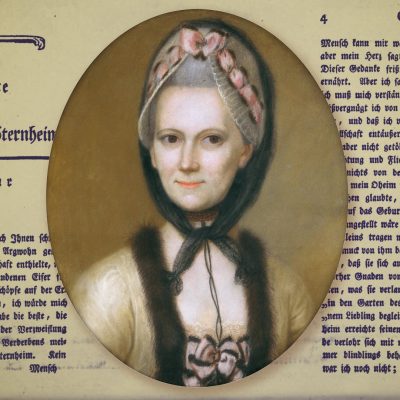

The former nun Katharina von Bora succumbs to injuries
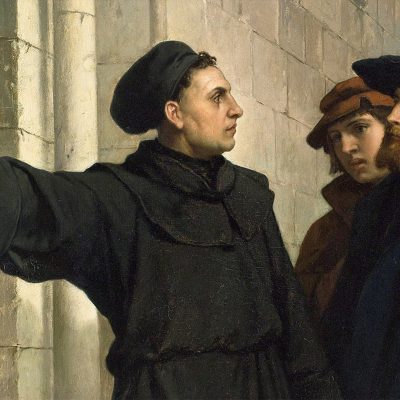
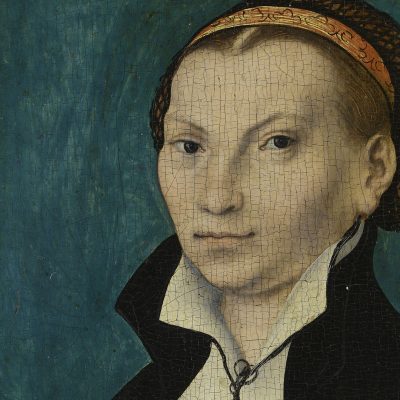
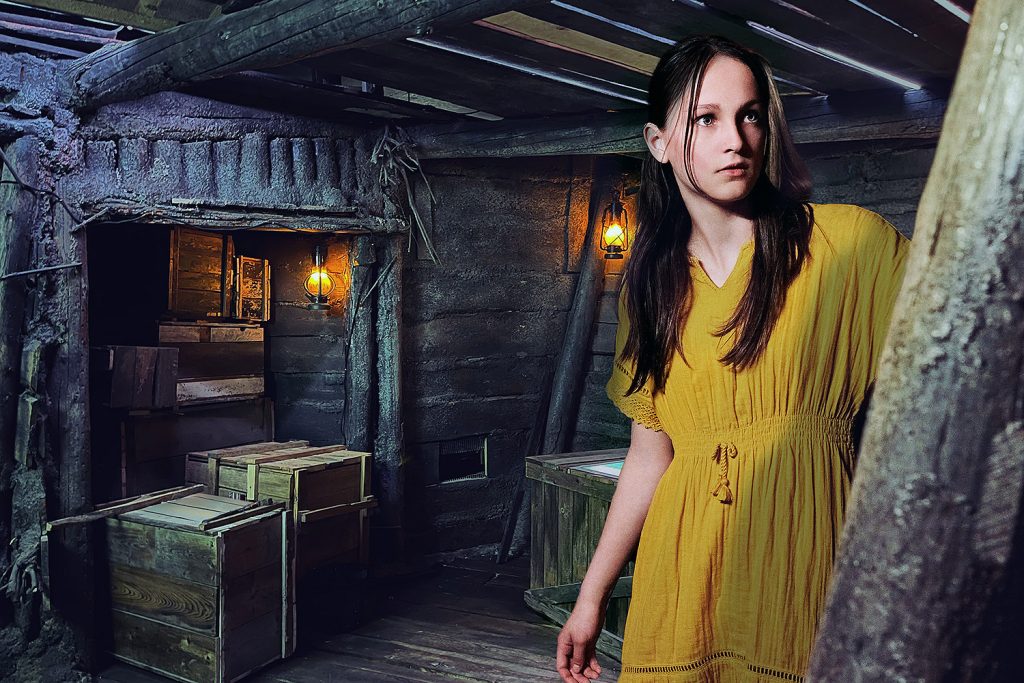
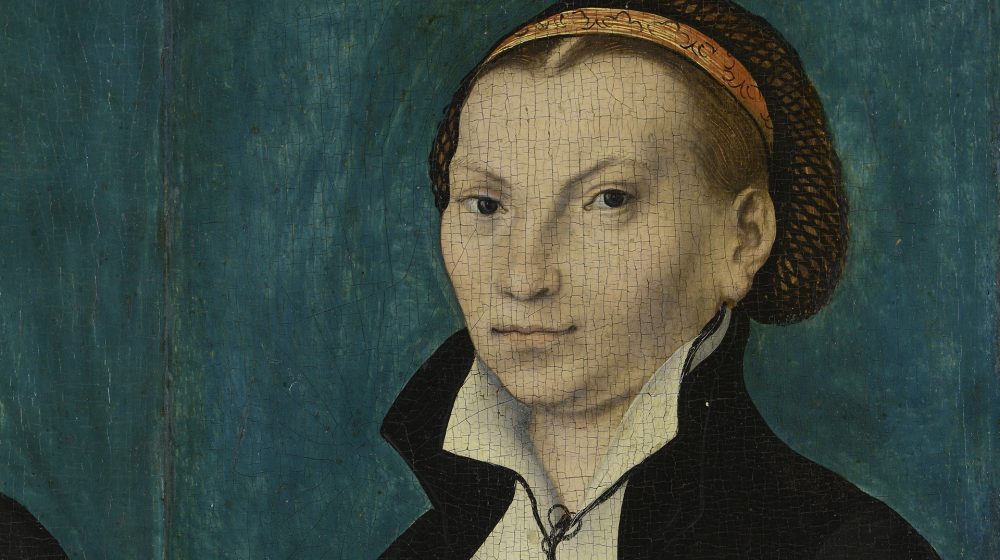
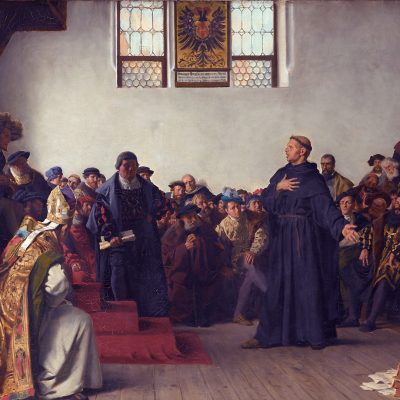
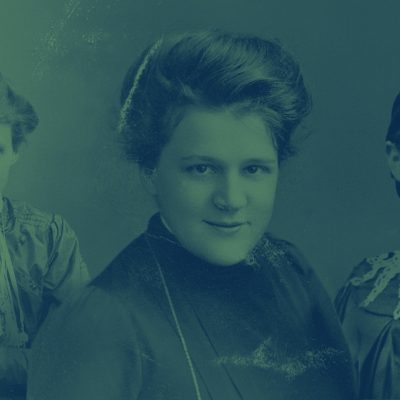
Born into a family of landed gentry in Saxony in 1499, Katharina von Bora was sent to a convent near Leipzig at the age of five, and at the age of ten, she moved to another convent where an aunt was the abbess. She trained in business and agriculture and took her vows at the age of 16. A large number of monks and nuns considered leaving their vocation during the Reformation, many after hearing Luther’s teaching that, as lacking any scriptural basis, lifelong monastic vows – if made to please God – were not the fruit of true faith but works of the Law. As such they were blasphemous and thus not binding. Katharina von Bora secretly left her convent with eight other women, and helpers smuggled them to Wittenberg where Luther’s friends first found them accommodation and then husbands. Katharina initially stayed with the painter Lucas Cranach, but as a runaway nun, had little success on the marriage market. Whilst the woman whom Luther had hoped to marry turned him down in favour of another man, Katharina took matters into her own hands and proposed to the famous Reformer that he marry her. The two were married in Wittenberg in 1525.
The newlyweds set up home in the former Augustinian monastery in Wittenberg, where Katharina put her business acumen to good use by managing the monastery estate. She organized the cultivation of the land and animal husbandry, as well as running a brewery, a hostel for students and a hospice during times of plague. She also gave birth to six children. Impressed by her energy, Luther gave his wife the pet name “my Lord Käthe”. After Luther’s death in 1546, Katharina von Bora was left without male protection and was forced to fight to receive her inheritance. She even had to flee Wittenberg for a time to escape a war that had just broken out. In 1552, she left Wittenberg with her children for the last time, setting out for Torgau to escape the plague. Unfortunately, her carriage crashed and she fell, sustaining internal injuries and catching a cold. Confined to bed for months, she died – probably of pneumonia – on 20 December 1552.

The whole year at a glance


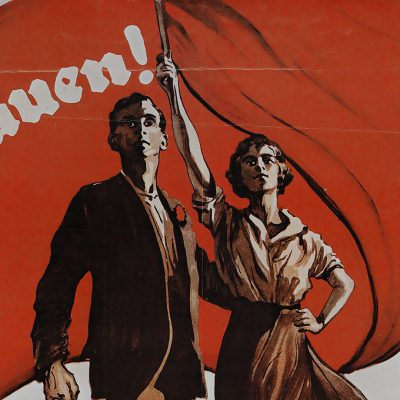
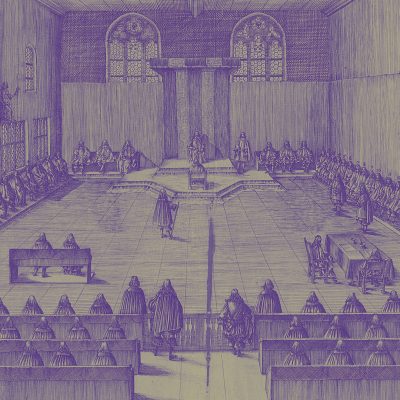
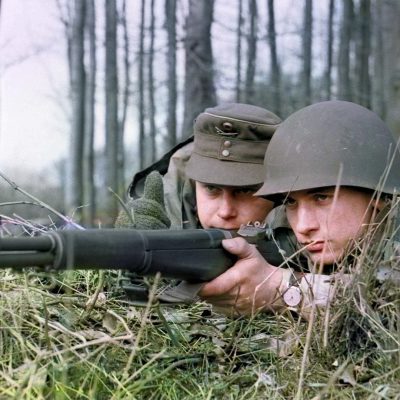
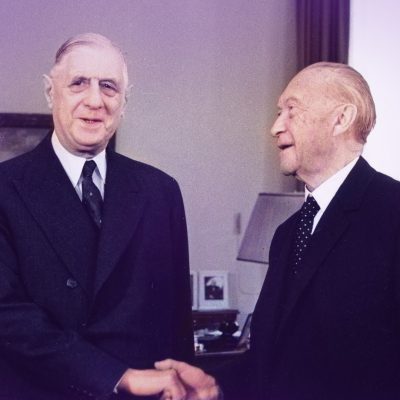



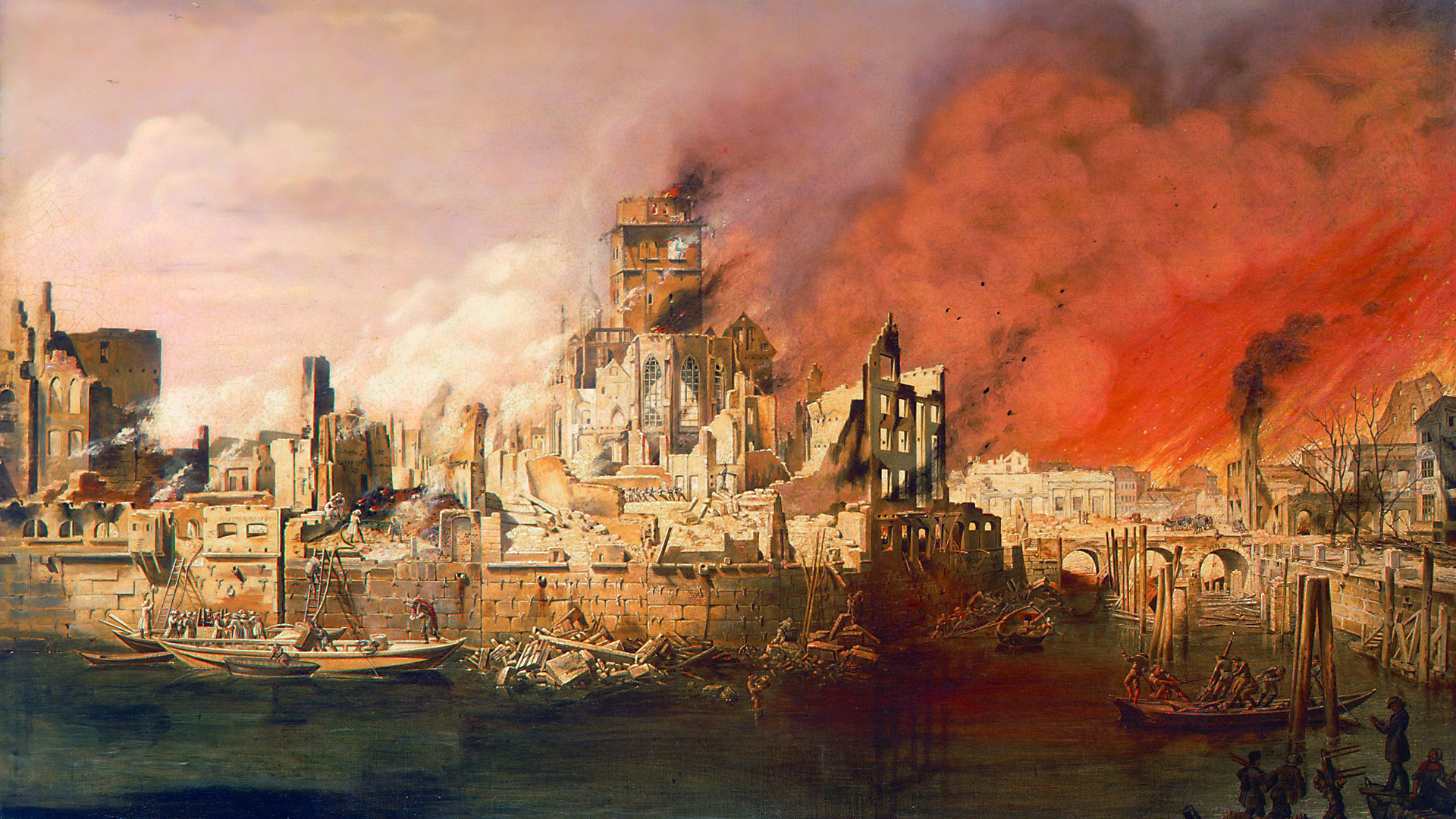
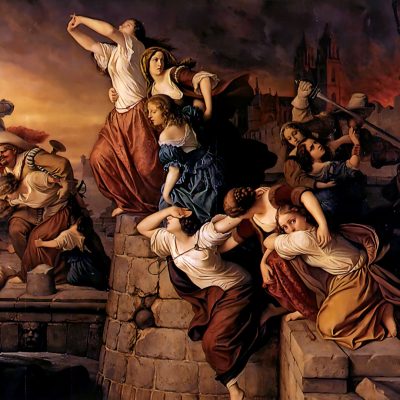
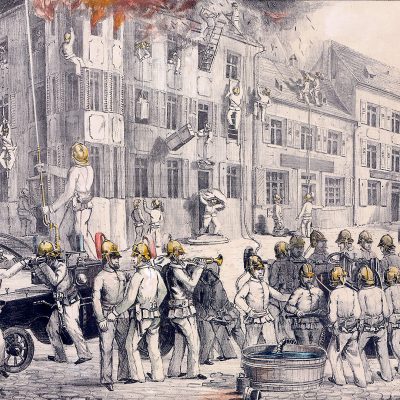
![Lithografie von Johann Nepomuk Heinemann [koloriert], nach Ölgemälde von Feodor Dietz (Foto: LABW, GLAK)](https://www.deutschlandmuseum.de/wp-content/uploads/2025/02/02031689_Zerstoerung_Heidelbergs-400x400.jpg "Lithografie von Johann Nepomuk Heinemann [koloriert], nach Ölgemälde von Feodor Dietz (Foto: LABW, GLAK)")




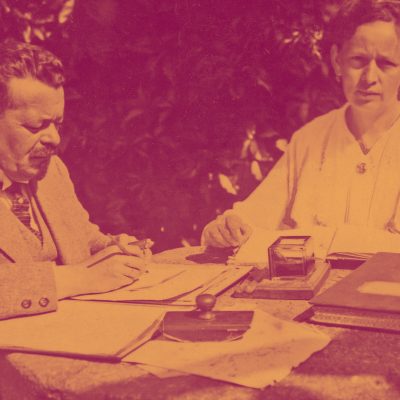
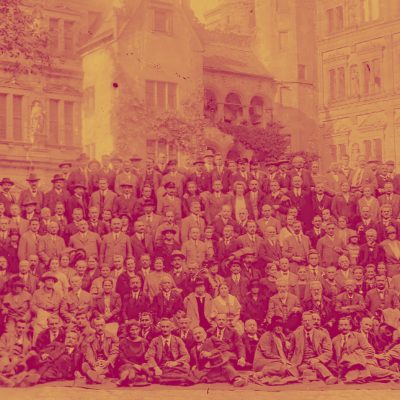
![Unter den Unterzeichnern sind die Nobelpreisträger Otto Hahn, Werner Heisenberg und Max Born [digital koloriert] (Quelle: Landesarchiv BW Staatsarchiv Freiburg, CC-BY-SA)](https://www.deutschlandmuseum.de/wp-content/uploads/2025/04/12041957_Göttinger_Erklärung-400x400.jpg "Unter den Unterzeichnern sind die Nobelpreisträger Otto Hahn, Werner Heisenberg und Max Born [digital koloriert] (Quelle: Landesarchiv BW Staatsarchiv Freiburg, CC-BY-SA)")



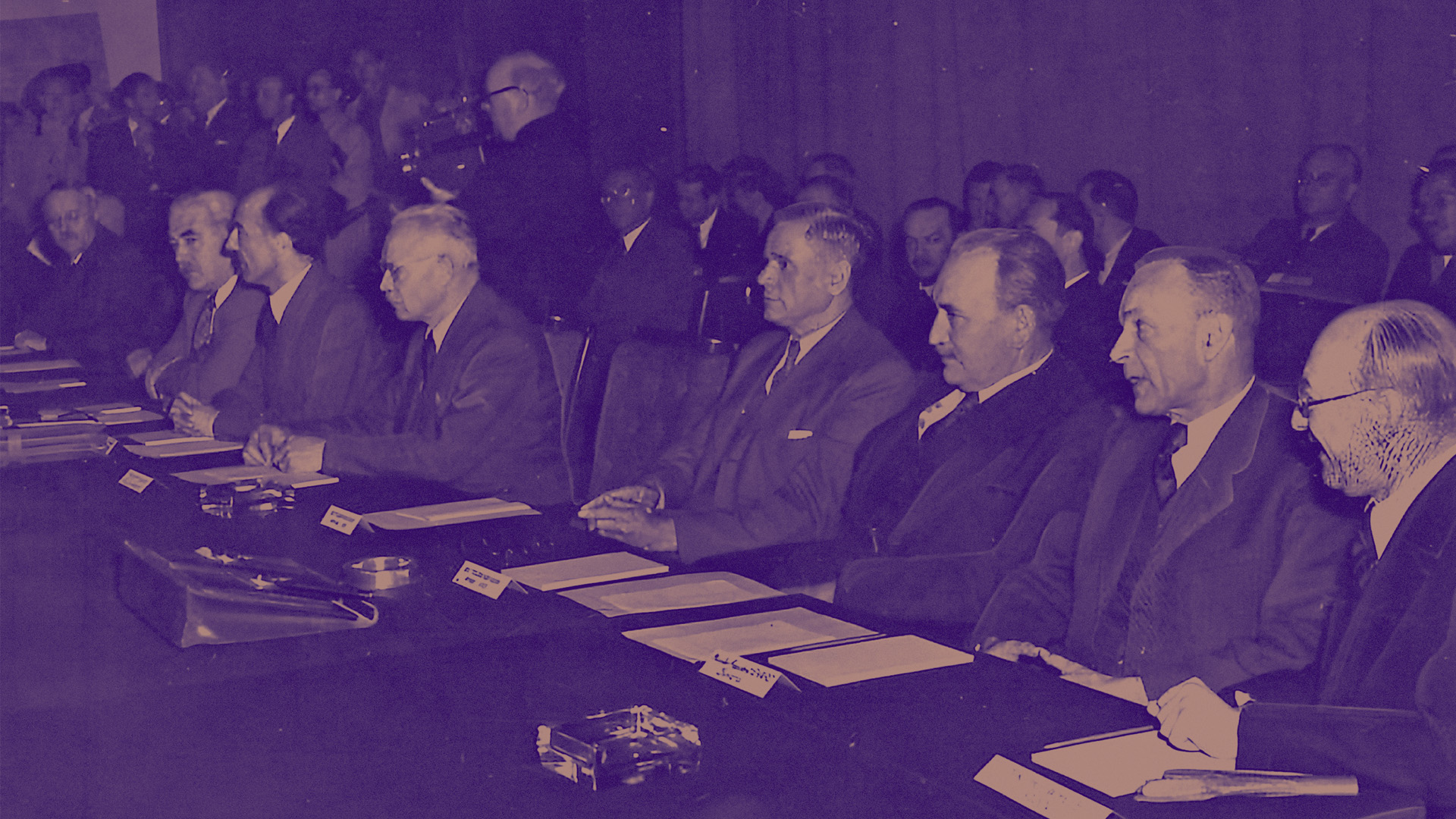
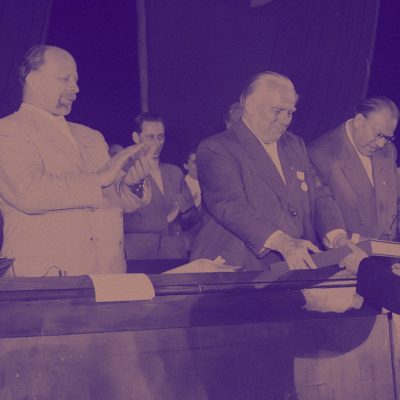
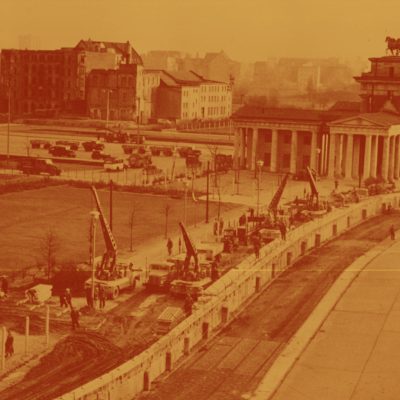
](https://www.deutschlandmuseum.de/wp-content/uploads/2025/04/21041946_SED_Gründung-1-400x400.jpg "Vereinigungsparteitag von KPD und SPD zur SED [digital koloriert](Quelle: Deutsche Fotothek, CC BY-SA 3.0 DE)")
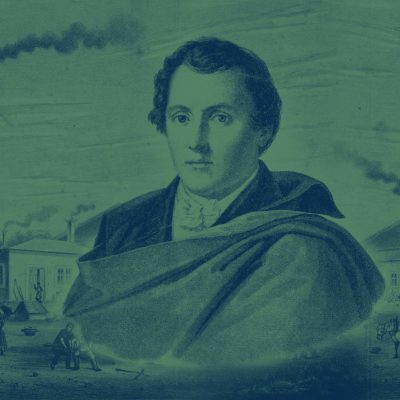















![Alexander von Humboldt [Ausschnitt], Gemälde von Friedrich Georg Weitsch (Quelle: Alte Nationalgalerie)](https://www.deutschlandmuseum.de/wp-content/uploads/2025/09/14091769_Humboldt-400x400.jpg "Alexander von Humboldt [Ausschnitt], Gemälde von Friedrich Georg Weitsch (Quelle: Alte Nationalgalerie)")



![Albert Einstein im Patentamt Bern, 1905 [digital koloriert] (Quelle: ETH-Bibliothek Zürich)](https://www.deutschlandmuseum.de/wp-content/uploads/2025/09/26091905_Einstein_koloriert-400x400.jpg "Albert Einstein im Patentamt Bern, 1905 [digital koloriert] (Quelle: ETH-Bibliothek Zürich)")