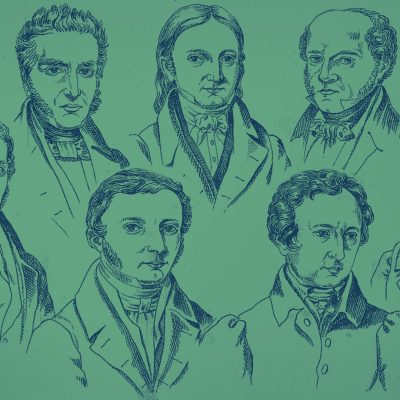
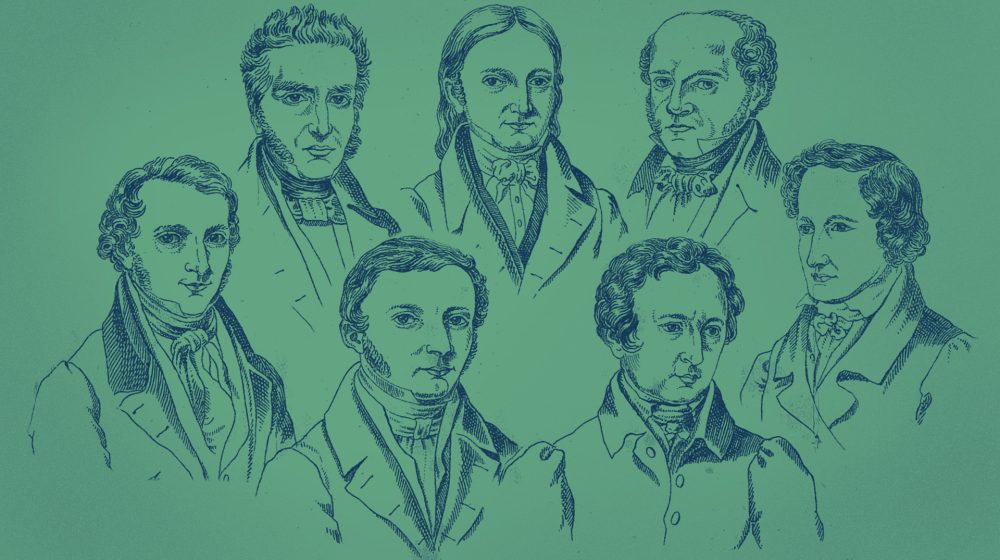

Seven professors at the University of Göttingen protest against the King of Hanover
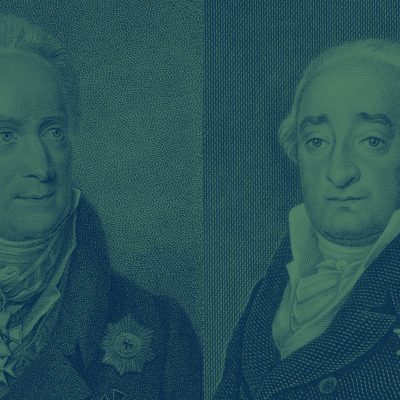
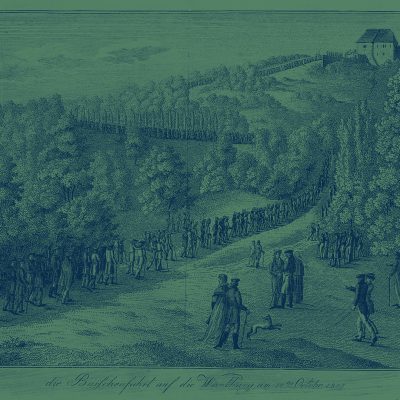
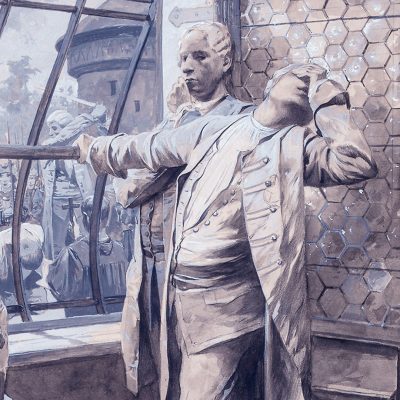
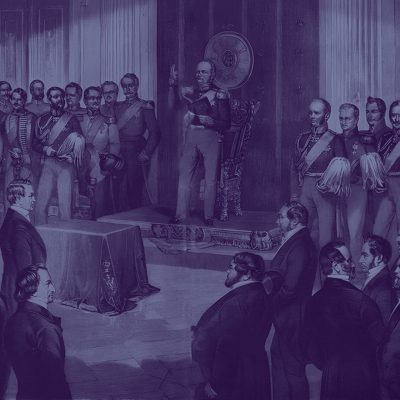
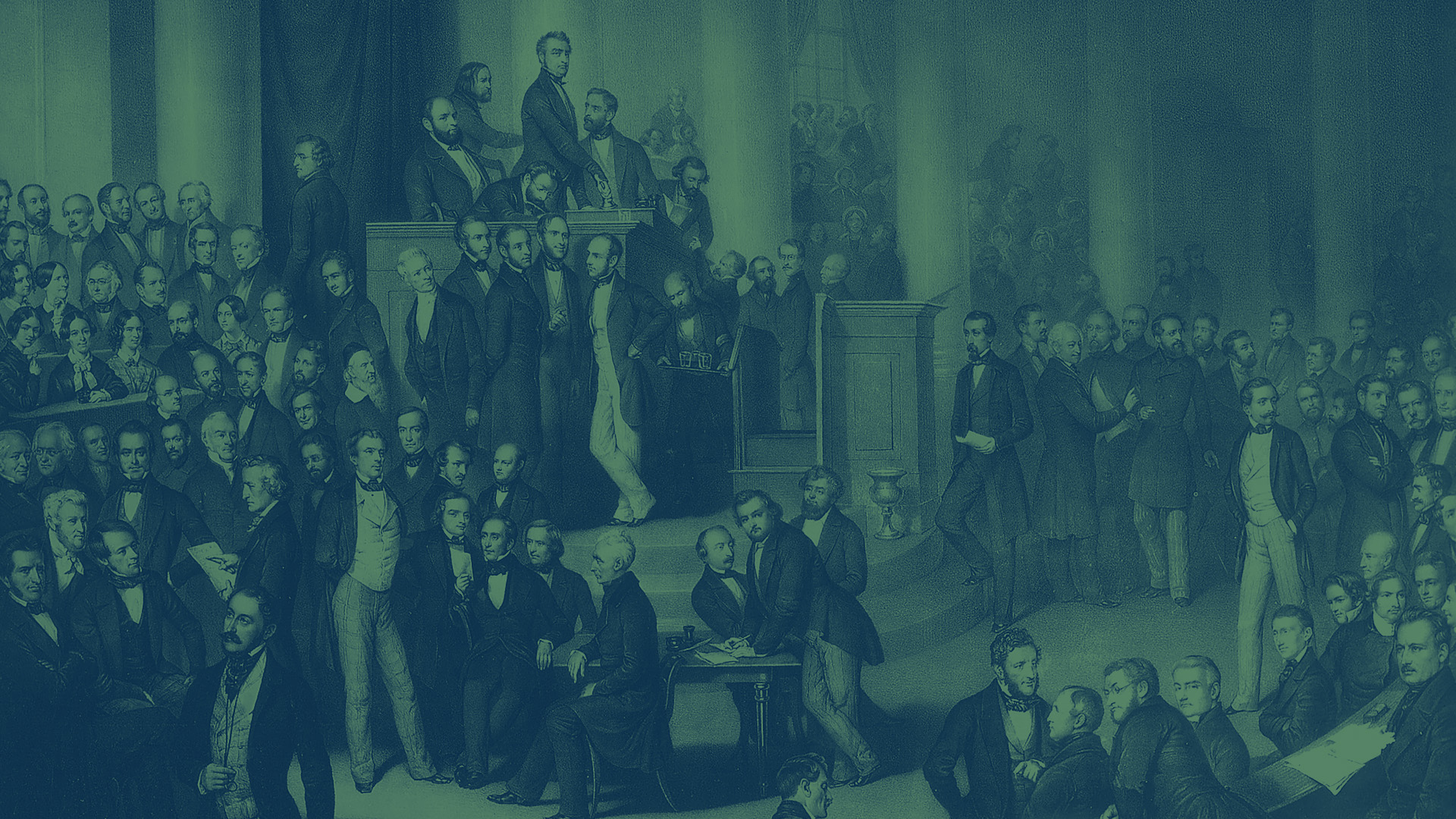
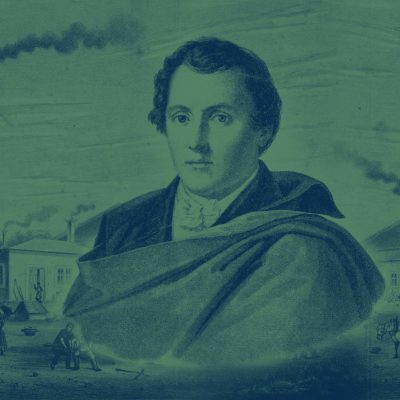
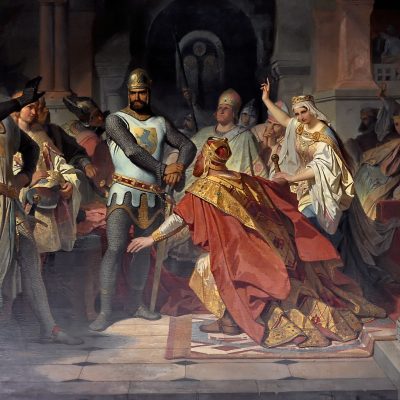
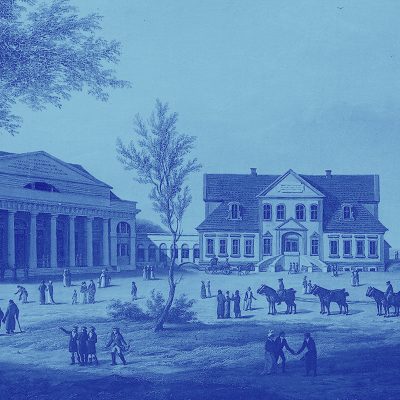
The Kingdom of Hanover was renowned for its liberal constitution. Issued in 1833, it strengthened municipal self-government and established an elected assembly with the power to influence the state budget. King William IV of Great Britain was the last Hanoverian ruler of the Kingdom of Hanover in personal union with his British territories. His successor, Ernest Augustus I, was widely criticized for his decision on 18 November 1837 to rescind the constitution, which was seen as an attack on hard-won liberties. Seven professors from the University of Göttingen – including the renowned philologists Jacob and Wilhelm Grimm – published a letter of protest that received widespread attention throughout the German Confederation.
Not amused by the protest, the King dismissed the seven professors, expelling three of them from the kingdom. This damaged the quality and academic reputation of the University of Göttingen, and the support of the university administration for the measure showed students what sort of an intellectual climate they could expect. Despite losing their jobs, the seven protesters received generous financial support from a grateful public, who venerated them as martyrs of the freedom movement. Their actions fuelled the general mood of discontent in the German lands, eventually culminating in the 1848 Revolutions.
The whole year at a glance









![Lithografie von Johann Nepomuk Heinemann [koloriert], nach Ölgemälde von Feodor Dietz (Foto: LABW, GLAK)](https://www.deutschlandmuseum.de/wp-content/uploads/2025/02/02031689_Zerstoerung_Heidelbergs-400x400.jpg "Lithografie von Johann Nepomuk Heinemann [koloriert], nach Ölgemälde von Feodor Dietz (Foto: LABW, GLAK)")








![Unter den Unterzeichnern sind die Nobelpreisträger Otto Hahn, Werner Heisenberg und Max Born [digital koloriert] (Quelle: Landesarchiv BW Staatsarchiv Freiburg, CC-BY-SA)](https://www.deutschlandmuseum.de/wp-content/uploads/2025/04/12041957_Göttinger_Erklärung-400x400.jpg "Unter den Unterzeichnern sind die Nobelpreisträger Otto Hahn, Werner Heisenberg und Max Born [digital koloriert] (Quelle: Landesarchiv BW Staatsarchiv Freiburg, CC-BY-SA)")




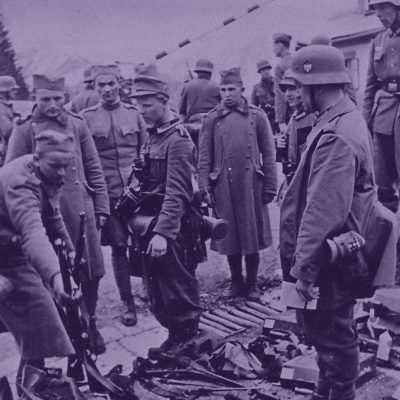
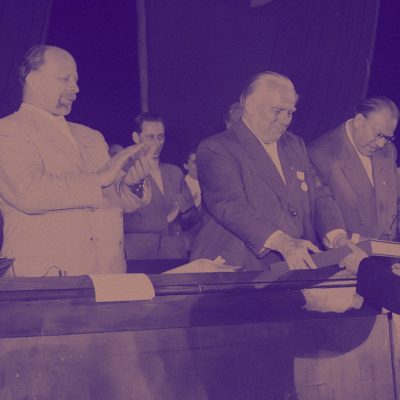
](https://www.deutschlandmuseum.de/wp-content/uploads/2025/04/21041946_SED_Gründung-1-400x400.jpg "Vereinigungsparteitag von KPD und SPD zur SED [digital koloriert](Quelle: Deutsche Fotothek, CC BY-SA 3.0 DE)")






























![Alexander von Humboldt [Ausschnitt], Gemälde von Friedrich Georg Weitsch (Quelle: Alte Nationalgalerie)](https://www.deutschlandmuseum.de/wp-content/uploads/2025/09/14091769_Humboldt-400x400.jpg "Alexander von Humboldt [Ausschnitt], Gemälde von Friedrich Georg Weitsch (Quelle: Alte Nationalgalerie)")



![Albert Einstein im Patentamt Bern, 1905 [digital koloriert] (Quelle: ETH-Bibliothek Zürich)](https://www.deutschlandmuseum.de/wp-content/uploads/2025/09/26091905_Einstein_koloriert-400x400.jpg "Albert Einstein im Patentamt Bern, 1905 [digital koloriert] (Quelle: ETH-Bibliothek Zürich)")