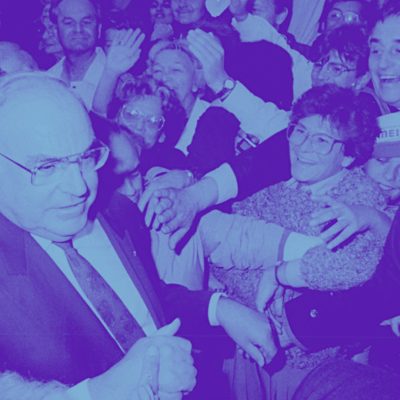
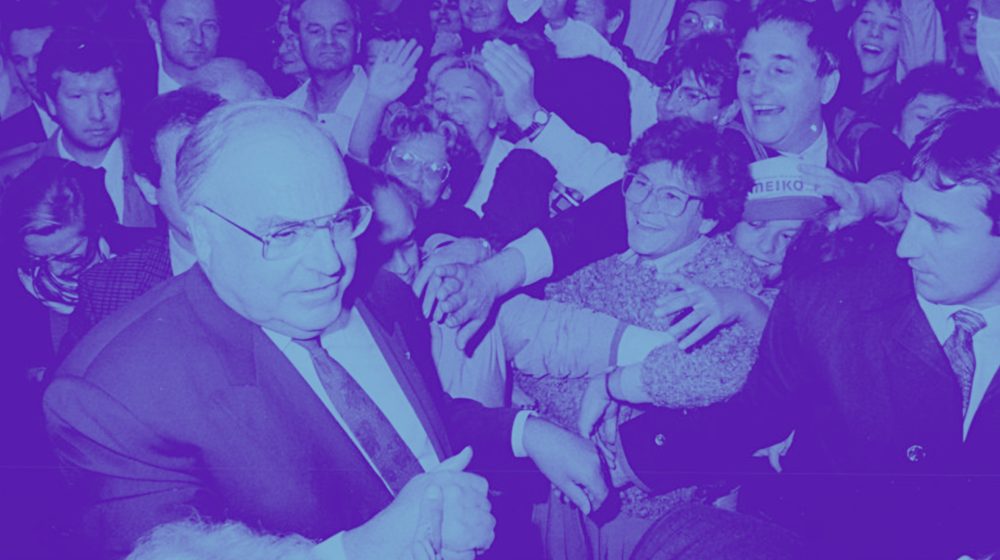

Election winner Kohl promises to bring prosperity to eastern Germany
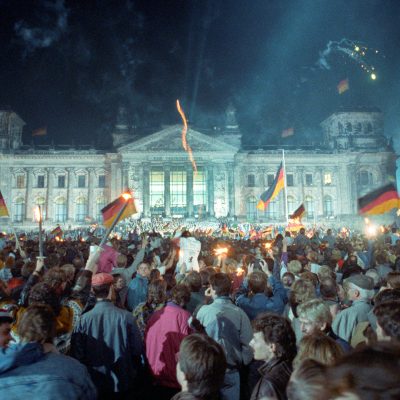
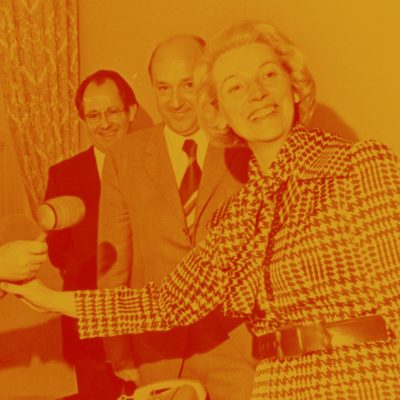
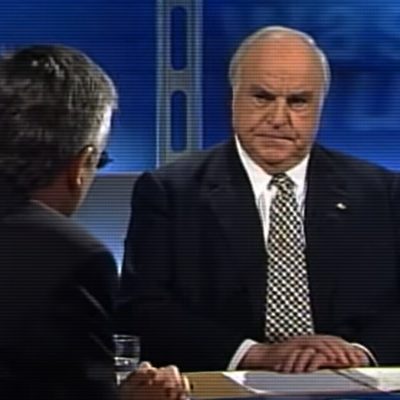
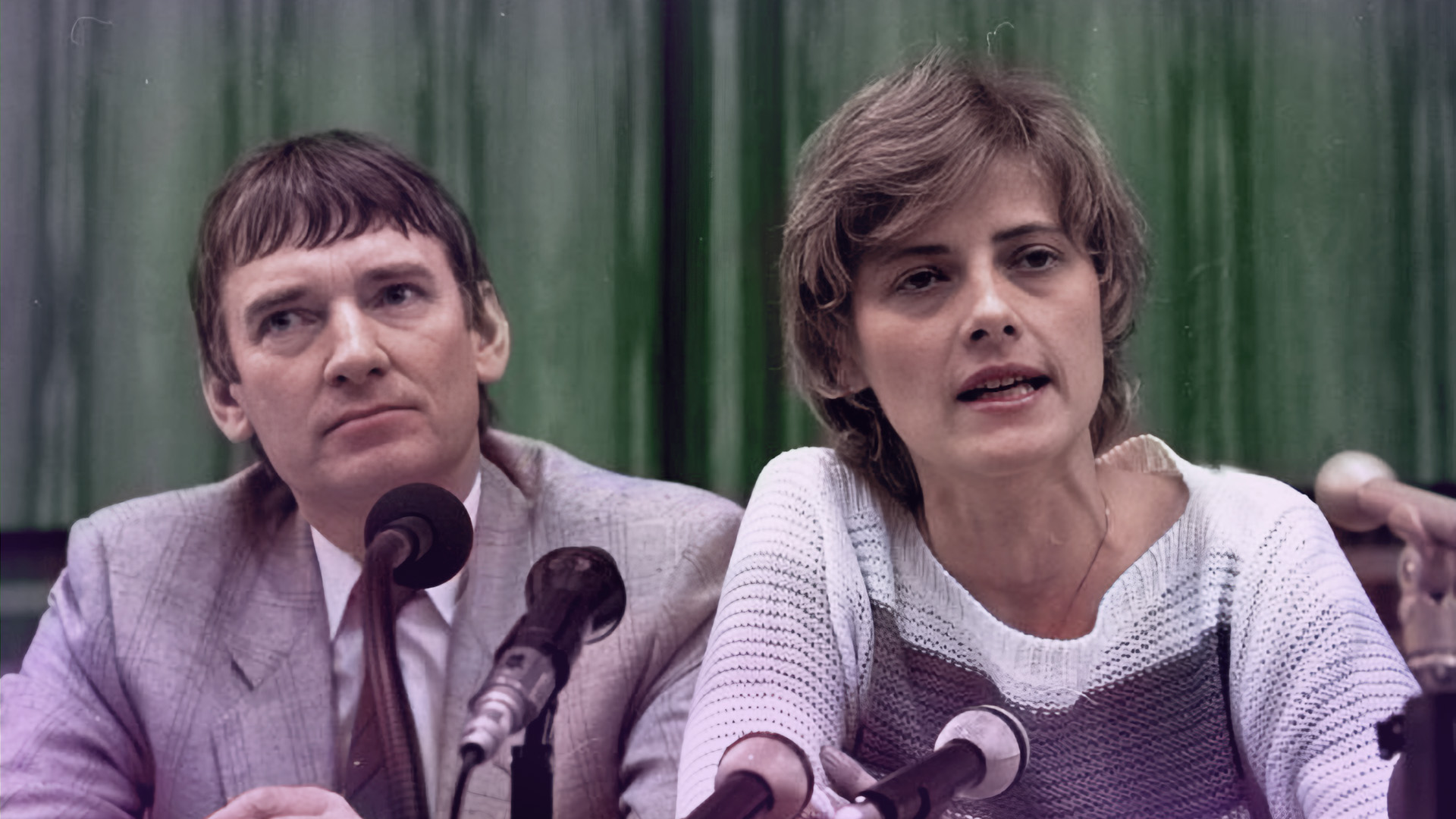
Just two months after reunification, over 46 million West Germans, 11 million East Germans and 2.5 million Berliners were called to vote in the first all-German federal election after 1945. The main issue during the election campaign was how to finance German reunification. Whilst the SPD candidate Oscar Lafontaine warned that the enormous costs involved would require tax rises, CDU frontrunner Helmut Kohl claimed that it could be paid for “out of the petty cash”. He promised “flourishing landscapes” across the former East Germany. Amongst the smaller parties, the liberal FDP relied on the reputation of Foreign Minister Dietrich Genscher, one of the architects of reunification, whilst the Greens adopted a critical tone, saying “Everyone is talking about Germany, we want to talk about the weather.”
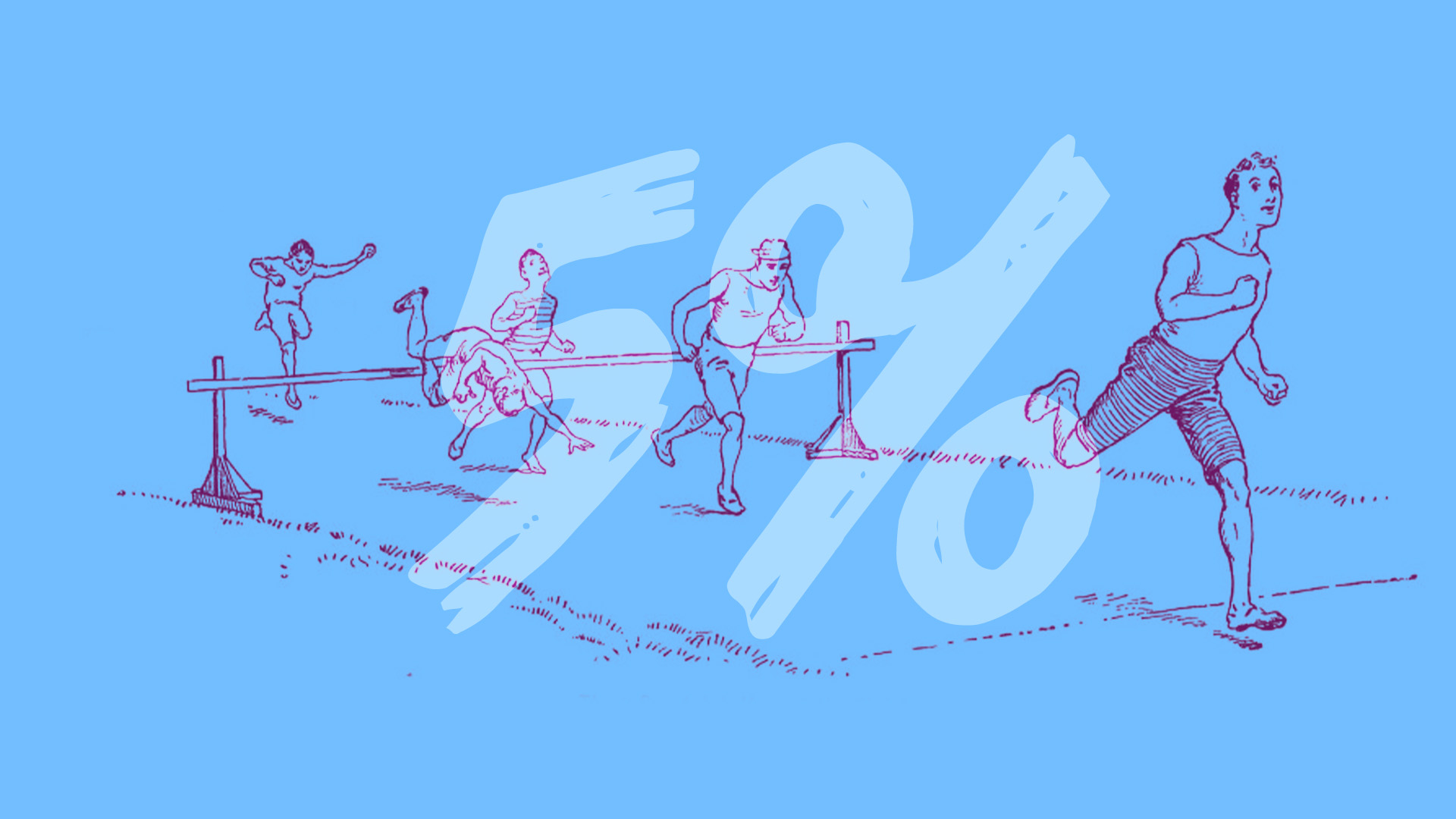
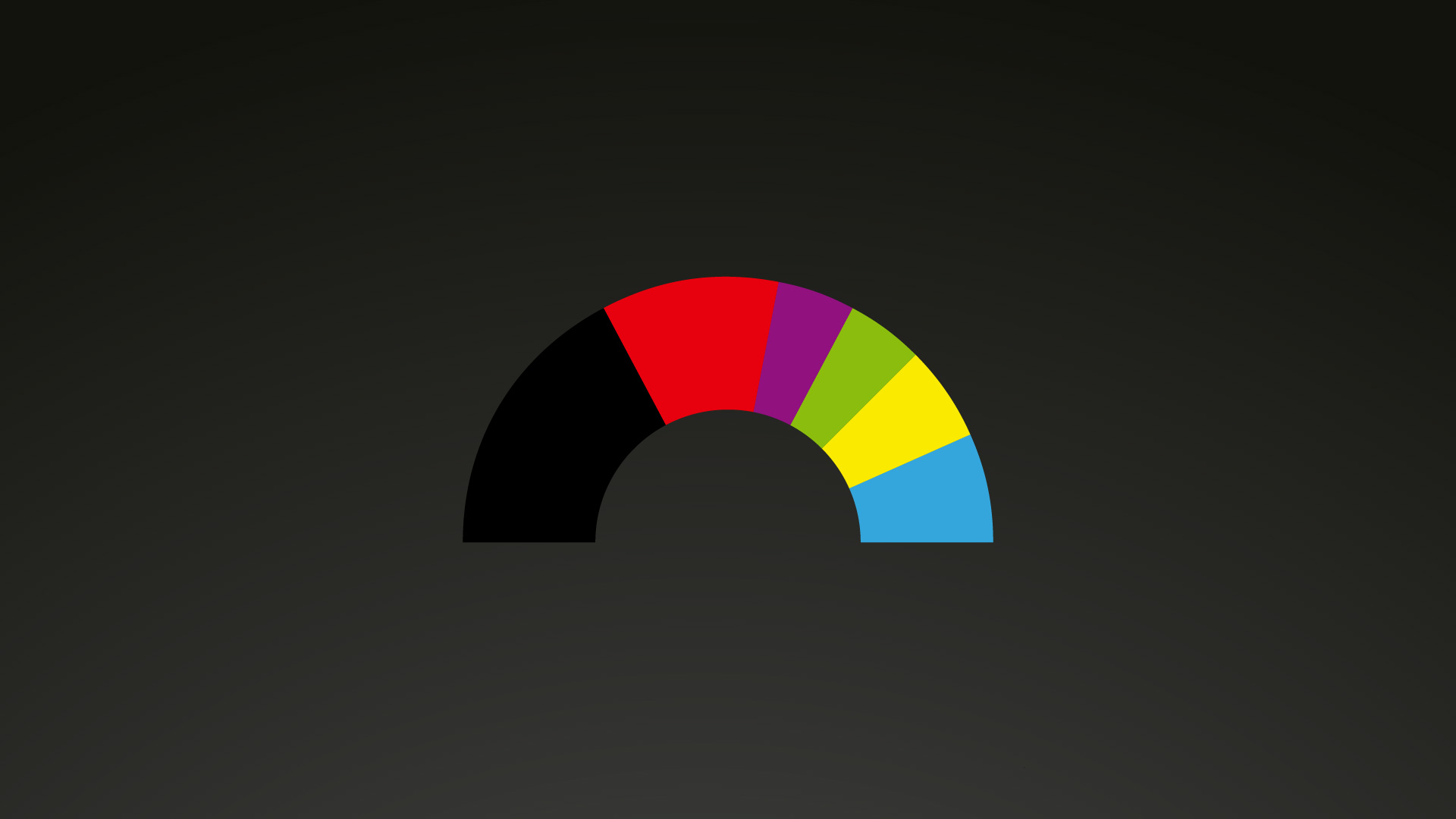
As expected, the CDU won by a landslide, becoming the strongest party in both the east and west with almost 44% of the vote. The SPD recorded its worst result in decades. Whilst the FDP gained ground, the Greens only contested the election in West Germany and failed to reach the 5% threshold required for a party to enter parliament. The East German Bündnis 90 and the Party of Democratic Socialism (PDS), the successor to the SED, also secured seats. Helmut Kohl was able to continue his dominance of German politics for a further eight years.
The whole year at a glance



![Lithografie von Johann Nepomuk Heinemann [koloriert], nach Ölgemälde von Feodor Dietz (Foto: LABW, GLAK)](https://www.deutschlandmuseum.de/wp-content/uploads/2025/02/02031689_Zerstoerung_Heidelbergs-400x400.jpg "Lithografie von Johann Nepomuk Heinemann [koloriert], nach Ölgemälde von Feodor Dietz (Foto: LABW, GLAK)")


![Unter den Unterzeichnern sind die Nobelpreisträger Otto Hahn, Werner Heisenberg und Max Born [digital koloriert] (Quelle: Landesarchiv BW Staatsarchiv Freiburg, CC-BY-SA)](https://www.deutschlandmuseum.de/wp-content/uploads/2025/04/12041957_Göttinger_Erklärung-400x400.jpg "Unter den Unterzeichnern sind die Nobelpreisträger Otto Hahn, Werner Heisenberg und Max Born [digital koloriert] (Quelle: Landesarchiv BW Staatsarchiv Freiburg, CC-BY-SA)")



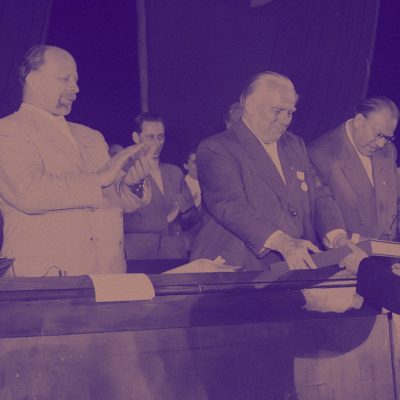
](https://www.deutschlandmuseum.de/wp-content/uploads/2025/04/21041946_SED_Gründung-1-400x400.jpg "Vereinigungsparteitag von KPD und SPD zur SED [digital koloriert](Quelle: Deutsche Fotothek, CC BY-SA 3.0 DE)")





![Alexander von Humboldt [Ausschnitt], Gemälde von Friedrich Georg Weitsch (Quelle: Alte Nationalgalerie)](https://www.deutschlandmuseum.de/wp-content/uploads/2025/09/14091769_Humboldt-400x400.jpg "Alexander von Humboldt [Ausschnitt], Gemälde von Friedrich Georg Weitsch (Quelle: Alte Nationalgalerie)")


![Albert Einstein im Patentamt Bern, 1905 [digital koloriert] (Quelle: ETH-Bibliothek Zürich)](https://www.deutschlandmuseum.de/wp-content/uploads/2025/09/26091905_Einstein_koloriert-400x400.jpg "Albert Einstein im Patentamt Bern, 1905 [digital koloriert] (Quelle: ETH-Bibliothek Zürich)")