
The Roman general is celebrated for his campaigns in Germania
Four years after the crushing defeat of the Romans by the Germanic tribes at the Battle of the Teutoburg Forest, Nero Claudius Germanicus, a scion of the ruling Julio-Claudian dynasty, assumed supreme command of the eight legions on the Rhine – a third of the entire Roman armed forces. Seeking to bring the territories on the right bank of the Rhine under Roman control, Germanicus launched an invasion of the area every year from 14 to 16 AD. Although he claimed several military victories and even fought Arminius, the victor at the Battle of the Teutoburg Forest, Germanicus was unable to gain the decisive victory that he craved. Seeing how his nephew was suffering high losses for little gain, Emperor Tiberius finally recalled Germanicus to Rome.
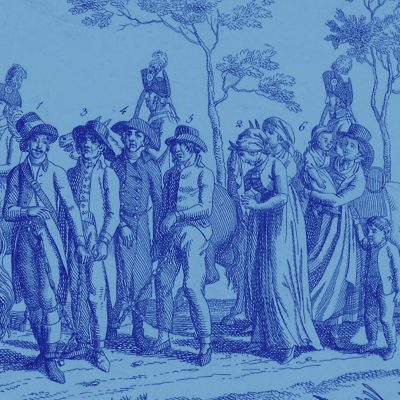
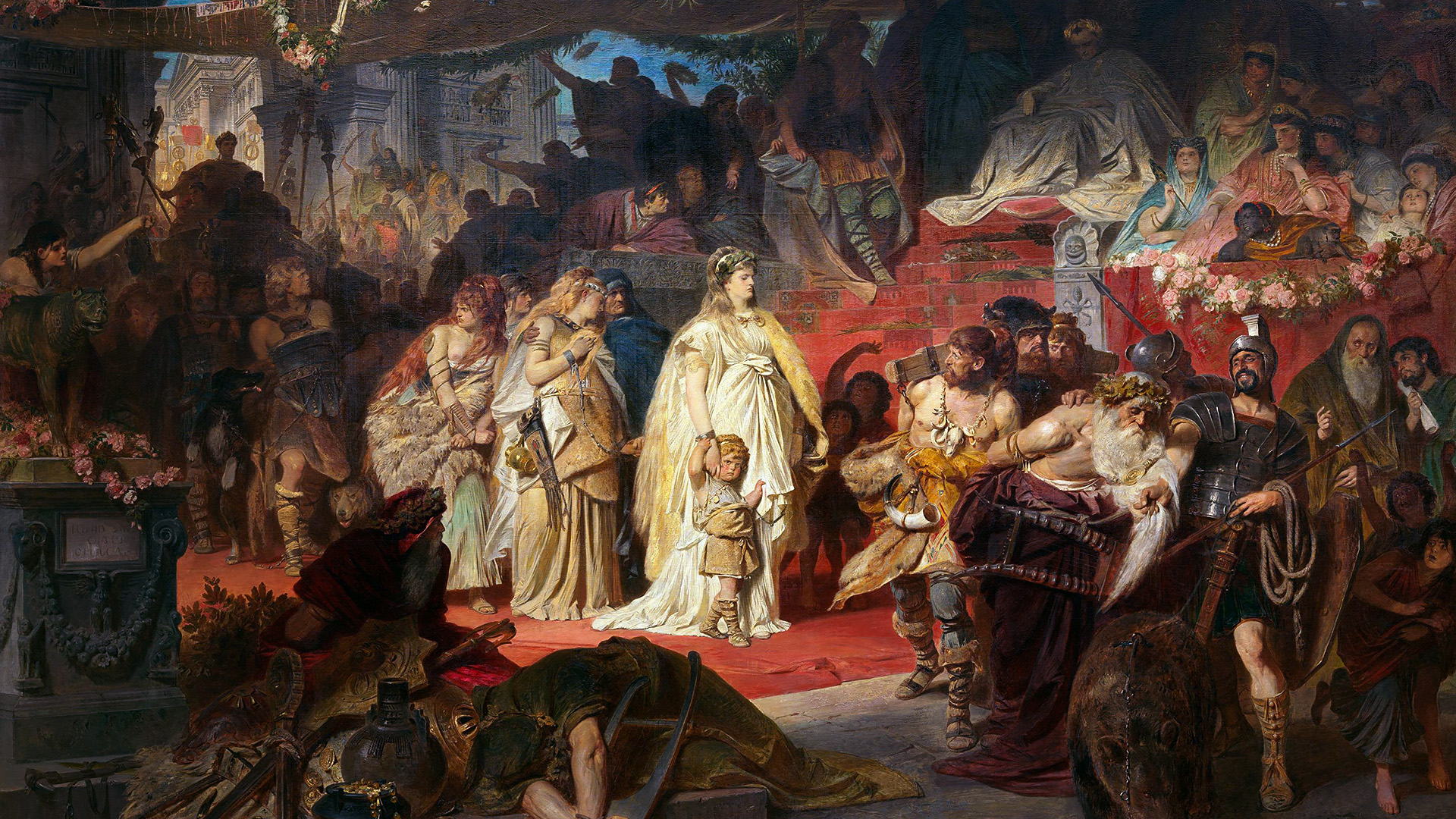
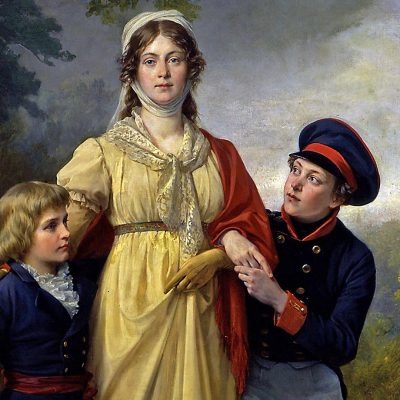
Although Germanicus had enjoyed only limited success, as he was intended to be the next emperor, it was decided to pretend that he had won and honour him with a triumphal procession in Rome on 26 May 17 AD. The procession showed off a range of captured booty and prisoners, including Arminius’s wife, the Cheruscan princess Thusnelda, and her son. Tired of fighting the fearsome Germani, Tiberius changed tack and withdrew his troops, relying on the divisions between the various Germanic tribes to prevent them from banding together against the Roman Empire and thereby maintain the security of its northern borders. Roman forces made occasional advances across the Rhine in the ensuing period, but abandoned any plans to conquer Germania.

The whole year at a glance








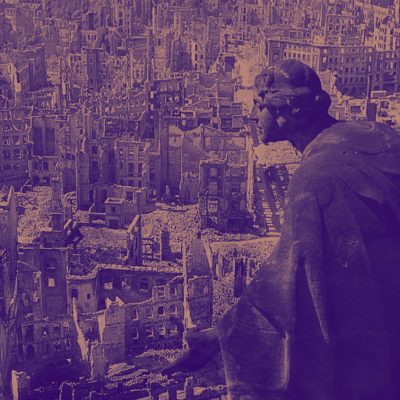
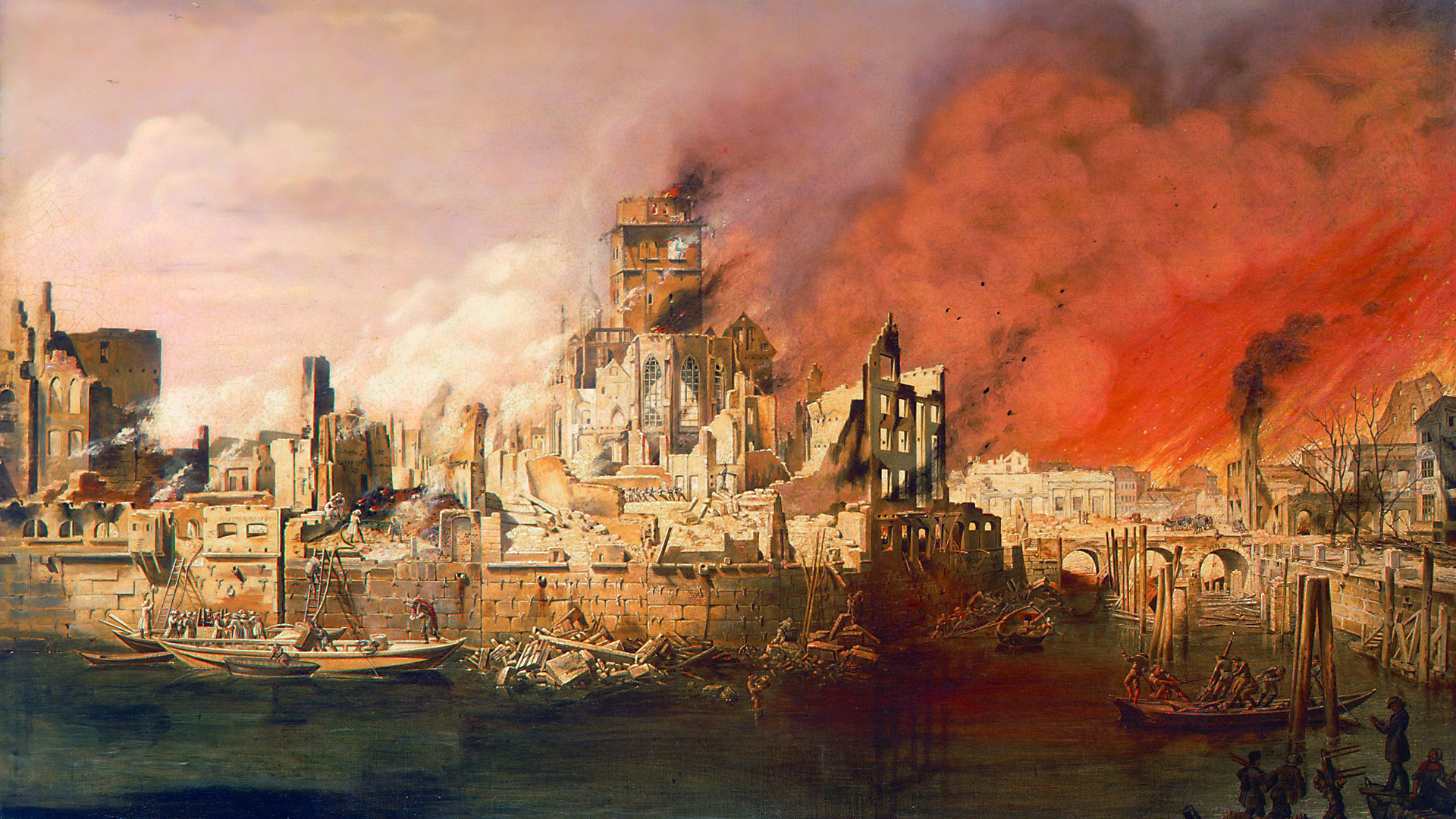
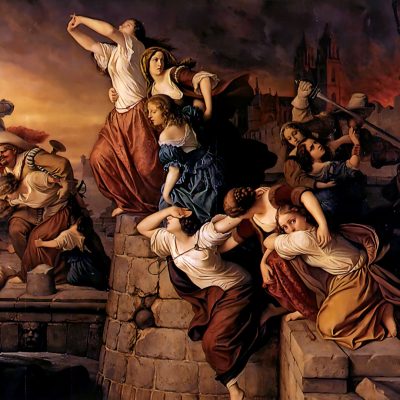
![Lithografie von Johann Nepomuk Heinemann [koloriert], nach Ölgemälde von Feodor Dietz (Foto: LABW, GLAK)](https://www.deutschlandmuseum.de/wp-content/uploads/2025/02/02031689_Zerstoerung_Heidelbergs-400x400.jpg "Lithografie von Johann Nepomuk Heinemann [koloriert], nach Ölgemälde von Feodor Dietz (Foto: LABW, GLAK)")






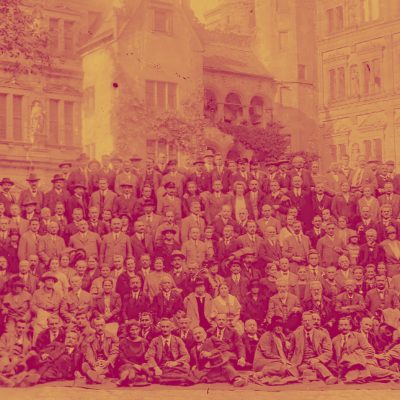
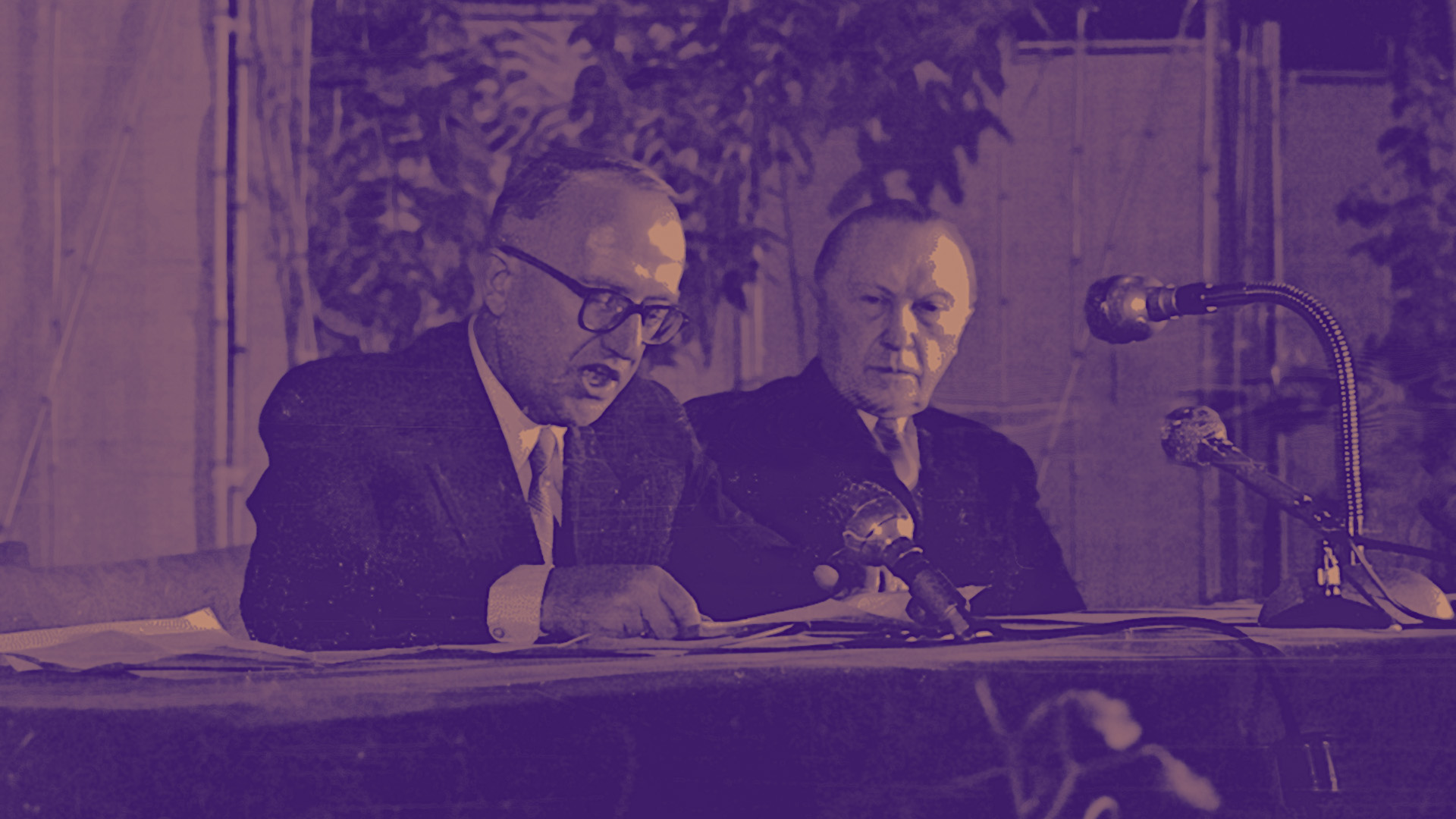
![Unter den Unterzeichnern sind die Nobelpreisträger Otto Hahn, Werner Heisenberg und Max Born [digital koloriert] (Quelle: Landesarchiv BW Staatsarchiv Freiburg, CC-BY-SA)](https://www.deutschlandmuseum.de/wp-content/uploads/2025/04/12041957_Göttinger_Erklärung-400x400.jpg "Unter den Unterzeichnern sind die Nobelpreisträger Otto Hahn, Werner Heisenberg und Max Born [digital koloriert] (Quelle: Landesarchiv BW Staatsarchiv Freiburg, CC-BY-SA)")





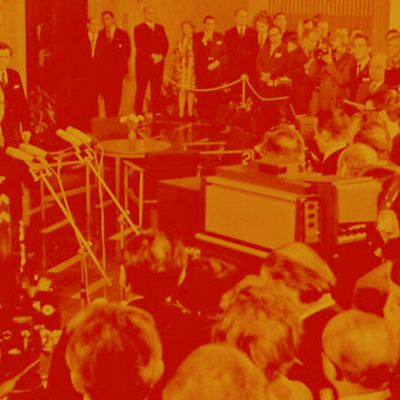
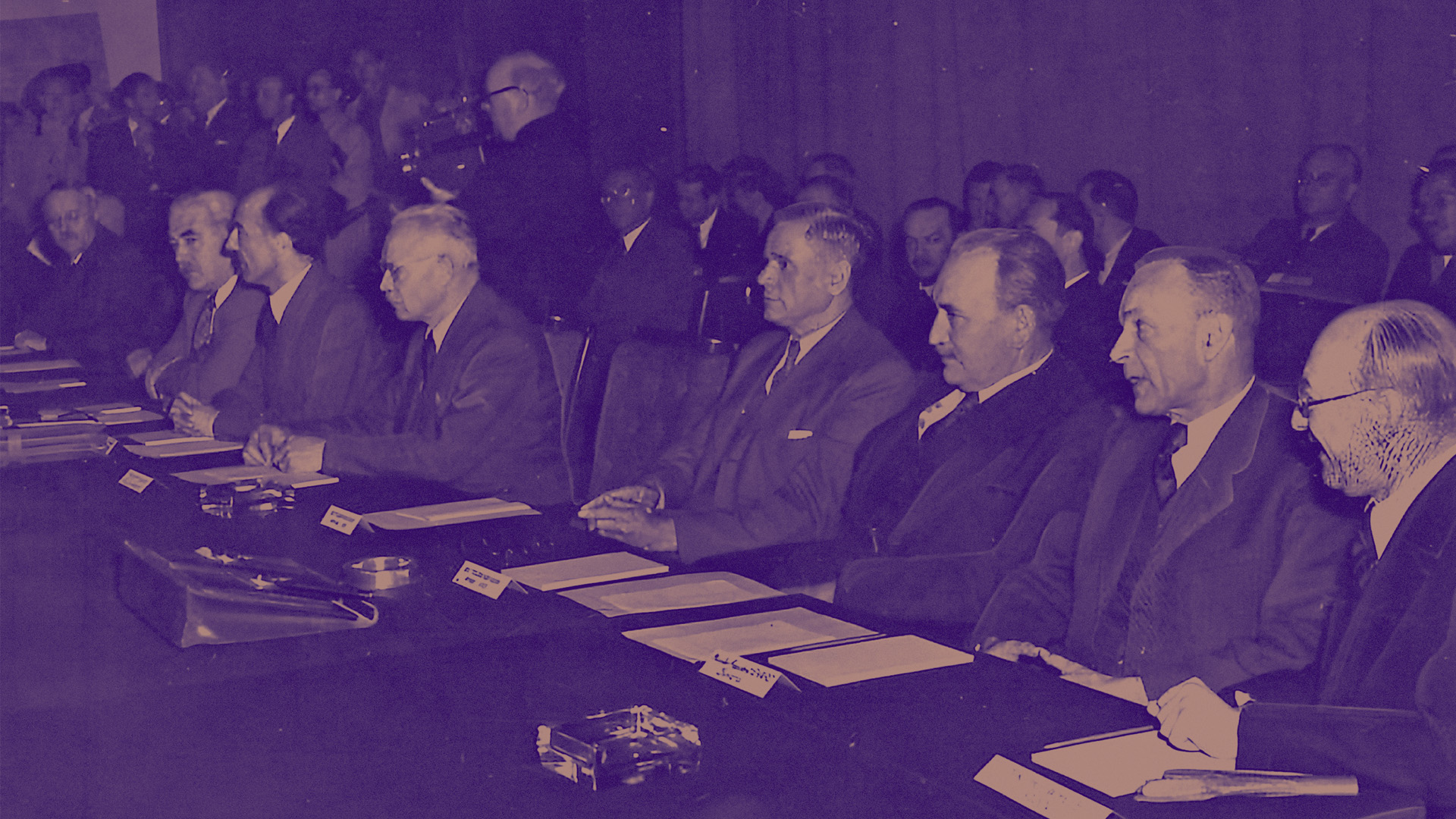
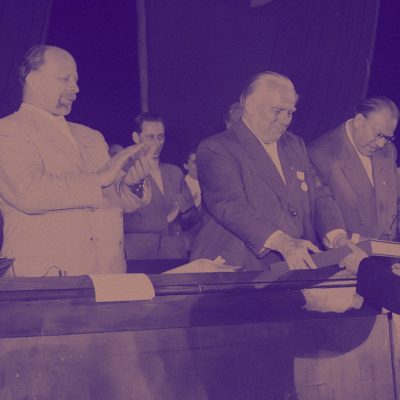
](https://www.deutschlandmuseum.de/wp-content/uploads/2025/04/21041946_SED_Gründung-1-400x400.jpg "Vereinigungsparteitag von KPD und SPD zur SED [digital koloriert](Quelle: Deutsche Fotothek, CC BY-SA 3.0 DE)")
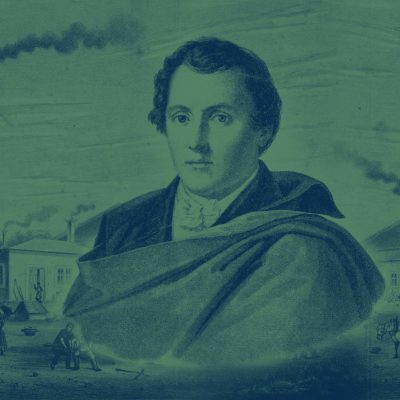





















![Alexander von Humboldt [Ausschnitt], Gemälde von Friedrich Georg Weitsch (Quelle: Alte Nationalgalerie)](https://www.deutschlandmuseum.de/wp-content/uploads/2025/09/14091769_Humboldt-400x400.jpg "Alexander von Humboldt [Ausschnitt], Gemälde von Friedrich Georg Weitsch (Quelle: Alte Nationalgalerie)")



![Albert Einstein im Patentamt Bern, 1905 [digital koloriert] (Quelle: ETH-Bibliothek Zürich)](https://www.deutschlandmuseum.de/wp-content/uploads/2025/09/26091905_Einstein_koloriert-400x400.jpg "Albert Einstein im Patentamt Bern, 1905 [digital koloriert] (Quelle: ETH-Bibliothek Zürich)")