
Bismarck’s (mis)reporting of an incident triggers a French declaration of war
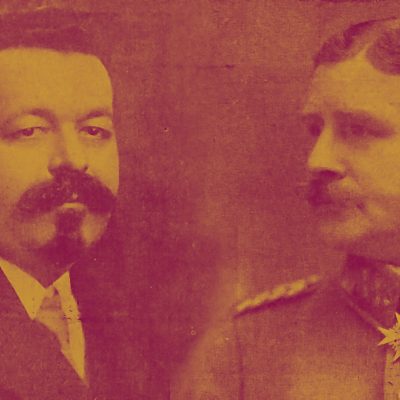
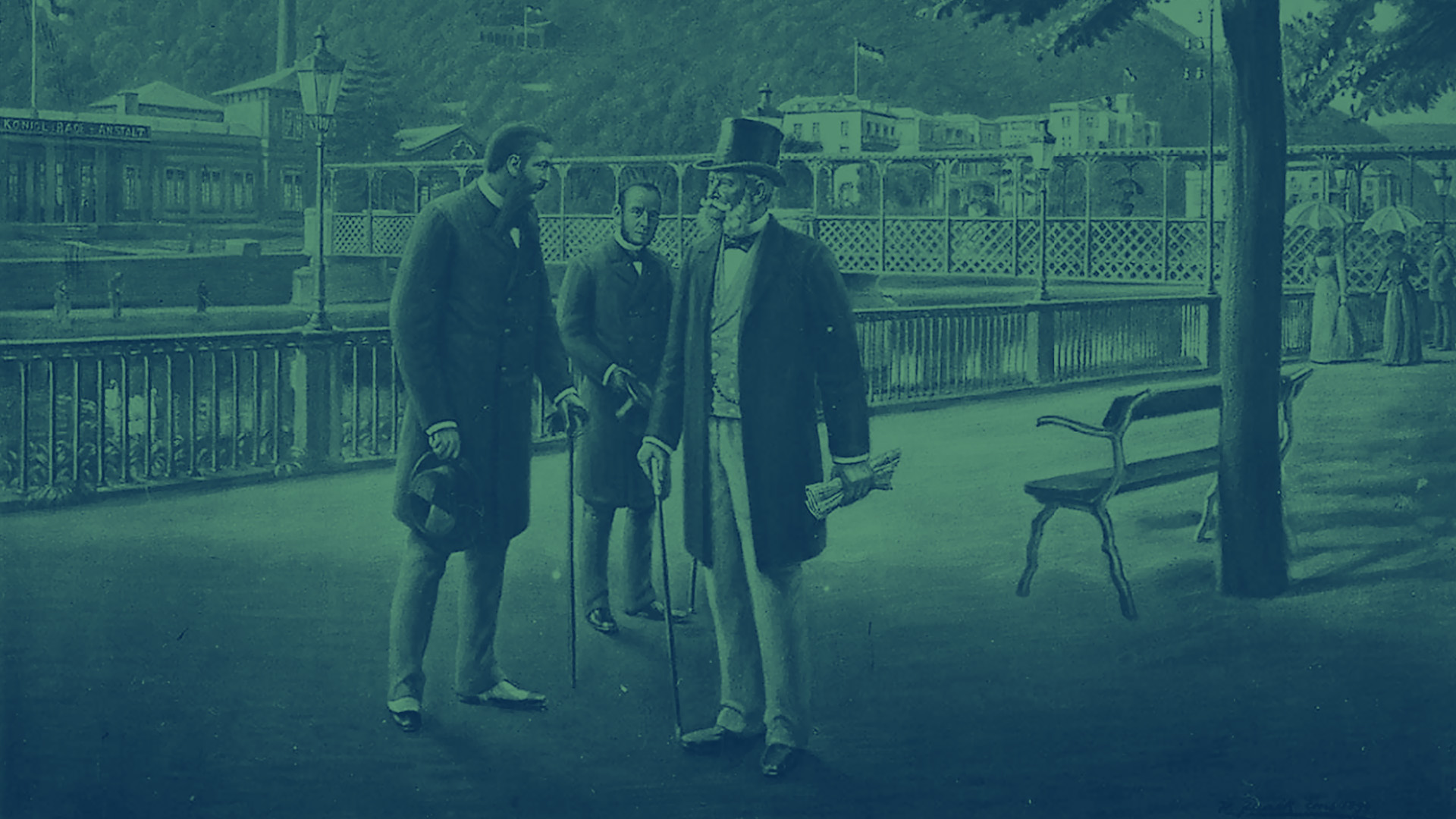
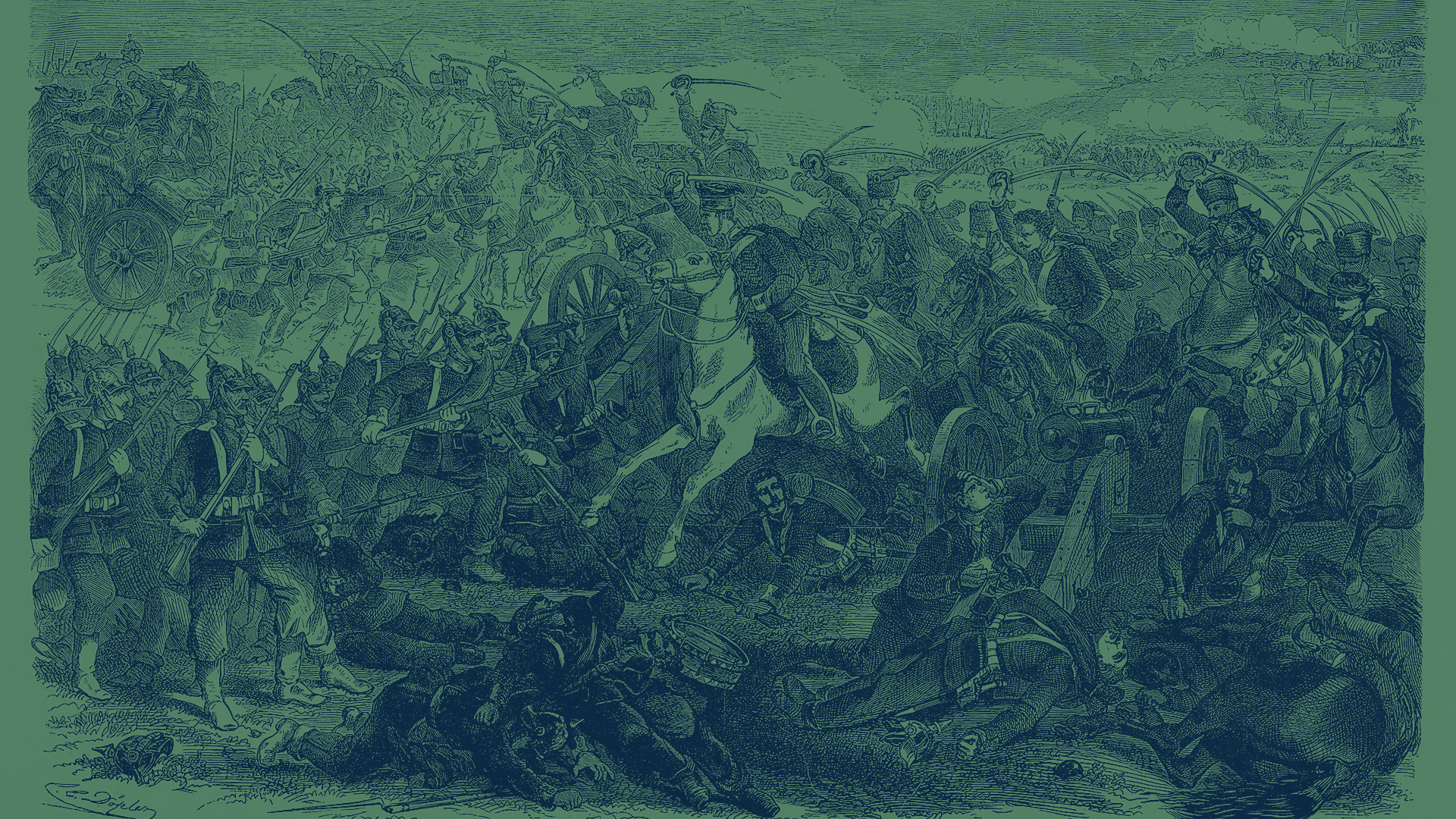
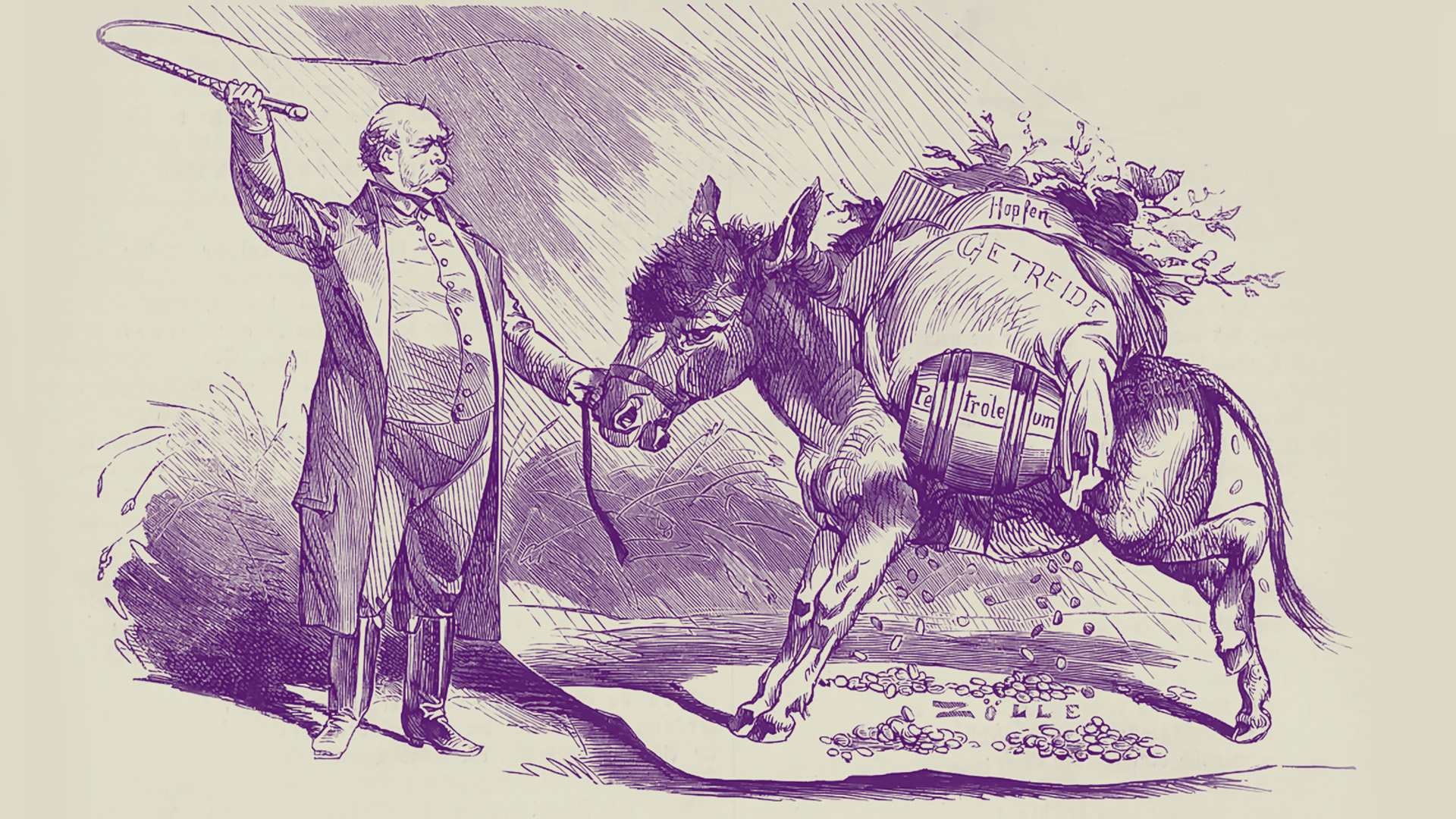
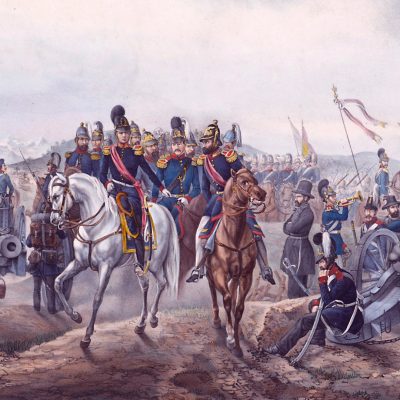
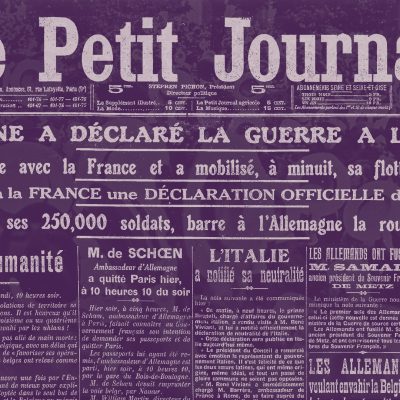
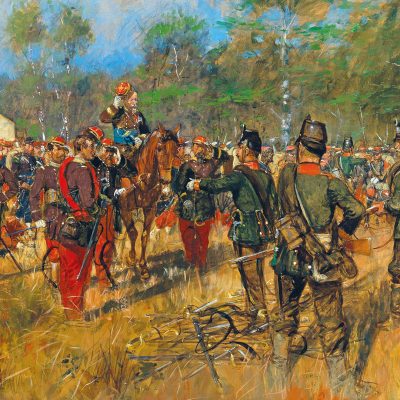
The deposition of Queen Isabella II of Spain in 1868 meant that the country was in need of a new monarch. When the Spanish Army decided to invite the Prussian Leopold of Hohenzollern to take up the reins of power, France feared encirclement by Prussians. Although Leopold bowed to pressure and renounced his claim to the throne, the French Emperor Napoleon III instructed his ambassador to Prussia to demand that King William I declare he would never permit a Hohenzollern to sit on the Spanish throne. William refused and recounted his conversation with the French ambassador to a member of staff in the employ of Prussian Prime Minister Otto von Bismarck. Bismarck’s man then relayed the contents of the conversation to Bismarck in a telegram, dispatched from Bad Ems – where the Kaiser was on holiday – on 13 July 1870.
Bismarck made a statement to the press and published a doctored account of the meeting as relayed in the telegram sent from Ems. He manipulated the account to imply that the Kaiser had dealt with the French ambassador brusquely and had rejected the French request. France felt humiliated. As Napoleon III was currently experiencing domestic political difficulties, he could not afford to look weak and decided to declare war on Prussia. The Prussian-led North German Confederation and the southern German states both sided with Prussia in the subsequent Franco-Prussian War.

The whole year at a glance



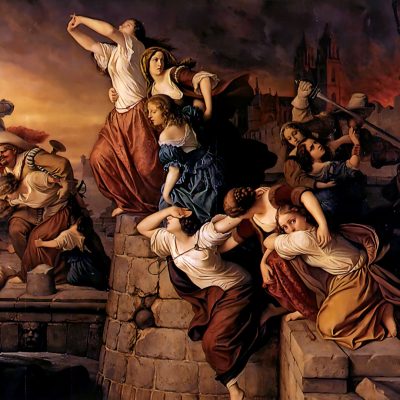
![Lithografie von Johann Nepomuk Heinemann [koloriert], nach Ölgemälde von Feodor Dietz (Foto: LABW, GLAK)](https://www.deutschlandmuseum.de/wp-content/uploads/2025/02/02031689_Zerstoerung_Heidelbergs-400x400.jpg "Lithografie von Johann Nepomuk Heinemann [koloriert], nach Ölgemälde von Feodor Dietz (Foto: LABW, GLAK)")



![Unter den Unterzeichnern sind die Nobelpreisträger Otto Hahn, Werner Heisenberg und Max Born [digital koloriert] (Quelle: Landesarchiv BW Staatsarchiv Freiburg, CC-BY-SA)](https://www.deutschlandmuseum.de/wp-content/uploads/2025/04/12041957_Göttinger_Erklärung-400x400.jpg "Unter den Unterzeichnern sind die Nobelpreisträger Otto Hahn, Werner Heisenberg und Max Born [digital koloriert] (Quelle: Landesarchiv BW Staatsarchiv Freiburg, CC-BY-SA)")




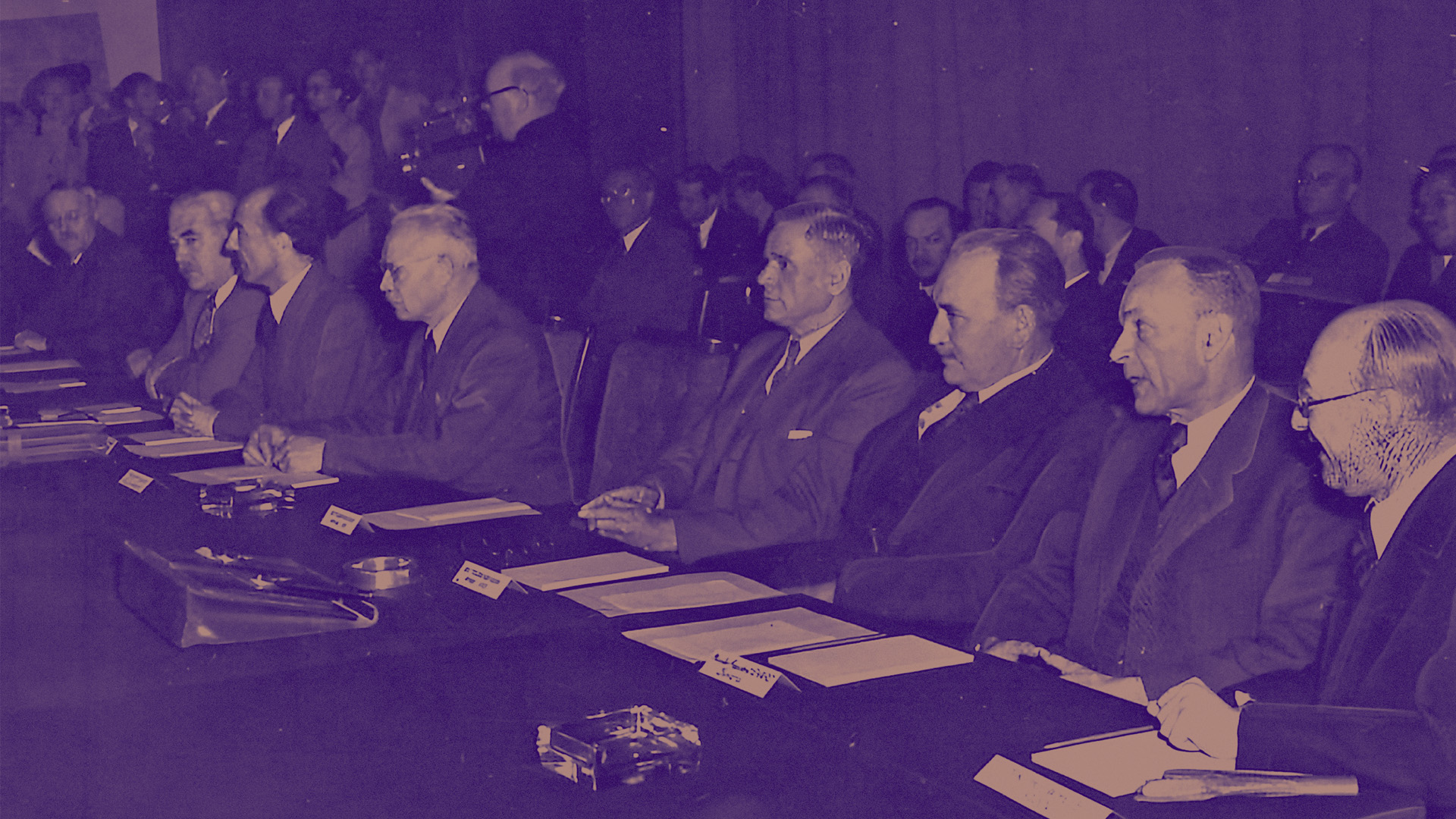
](https://www.deutschlandmuseum.de/wp-content/uploads/2025/04/21041946_SED_Gründung-1-400x400.jpg "Vereinigungsparteitag von KPD und SPD zur SED [digital koloriert](Quelle: Deutsche Fotothek, CC BY-SA 3.0 DE)")


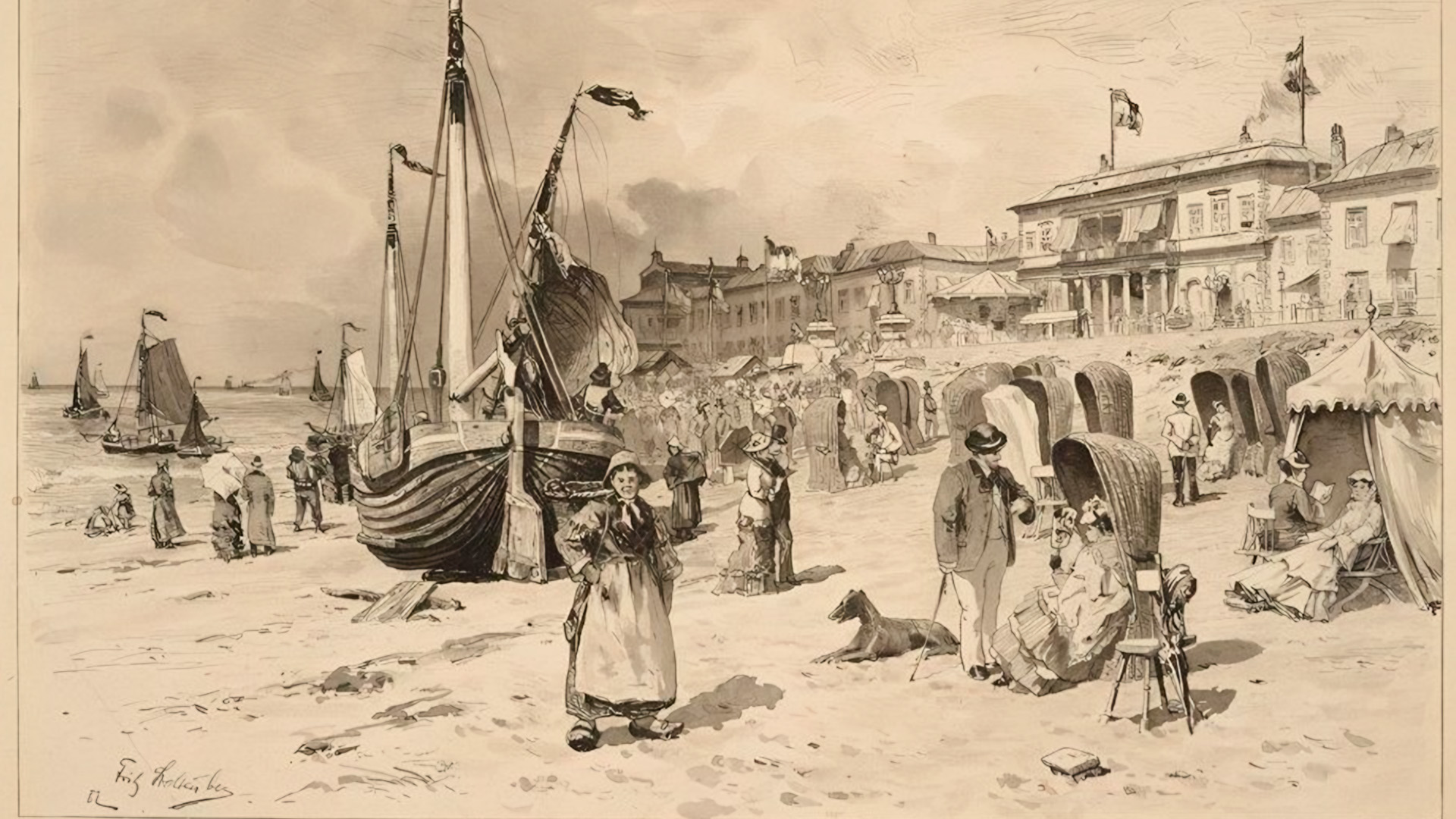
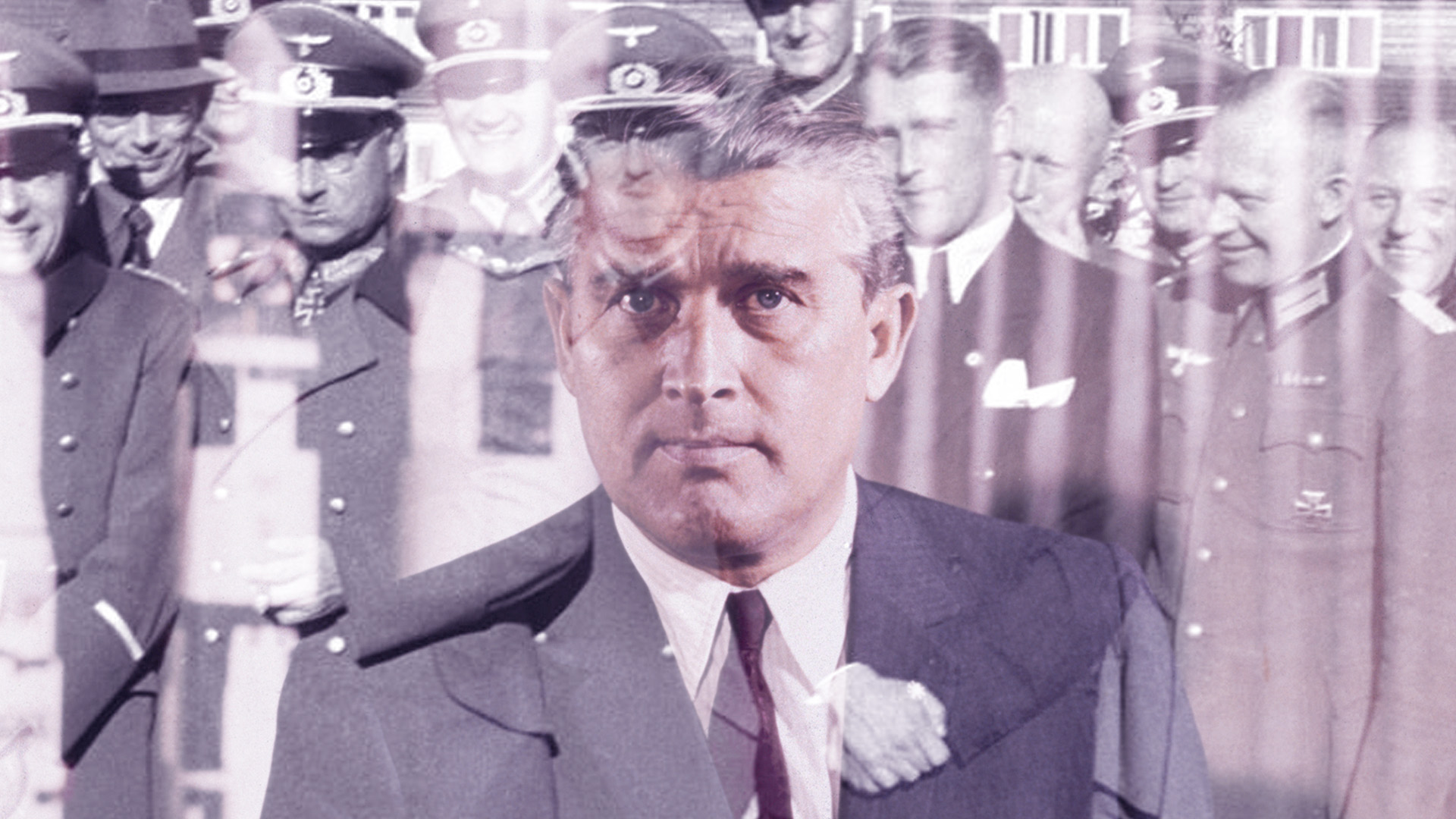
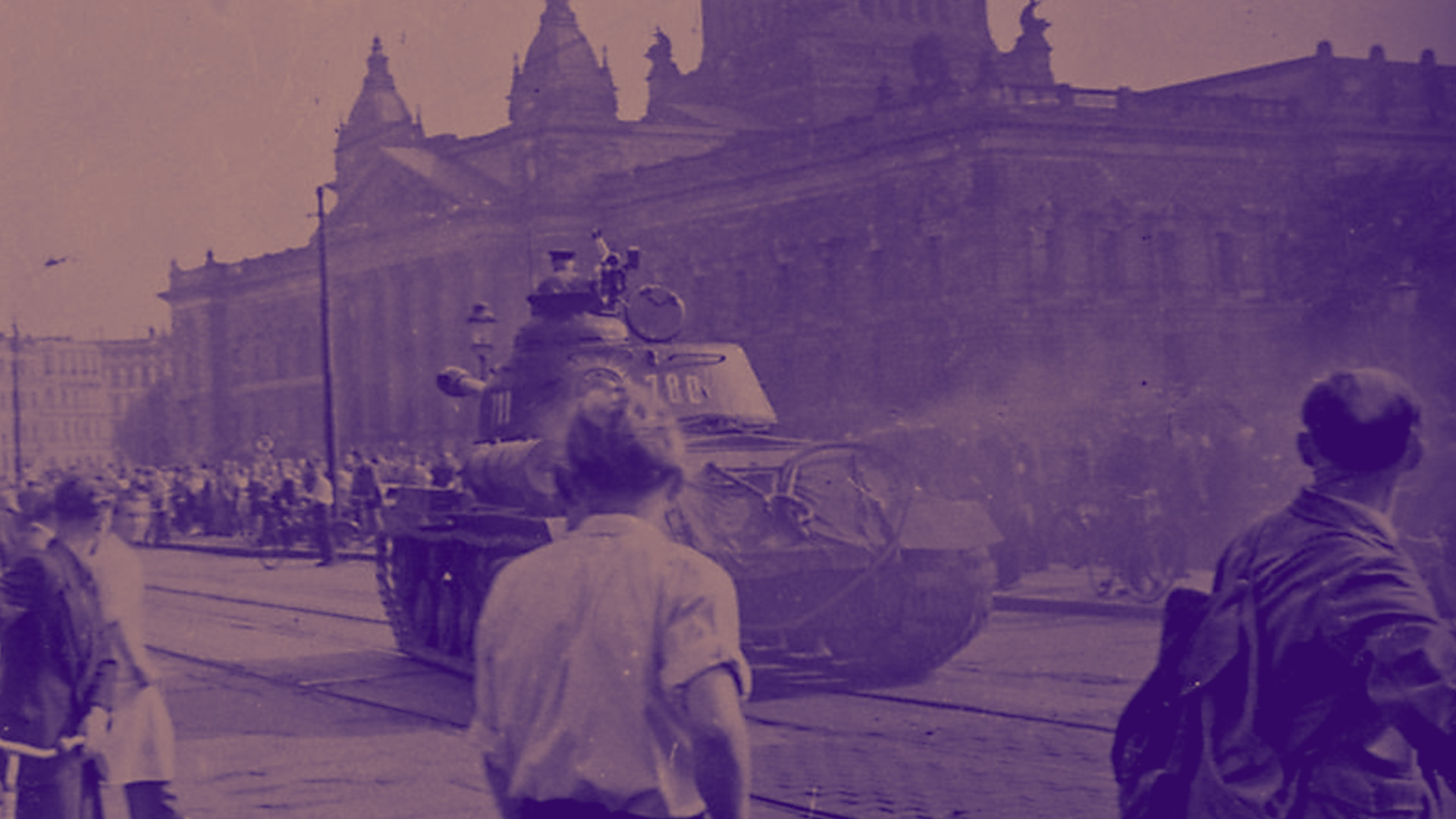
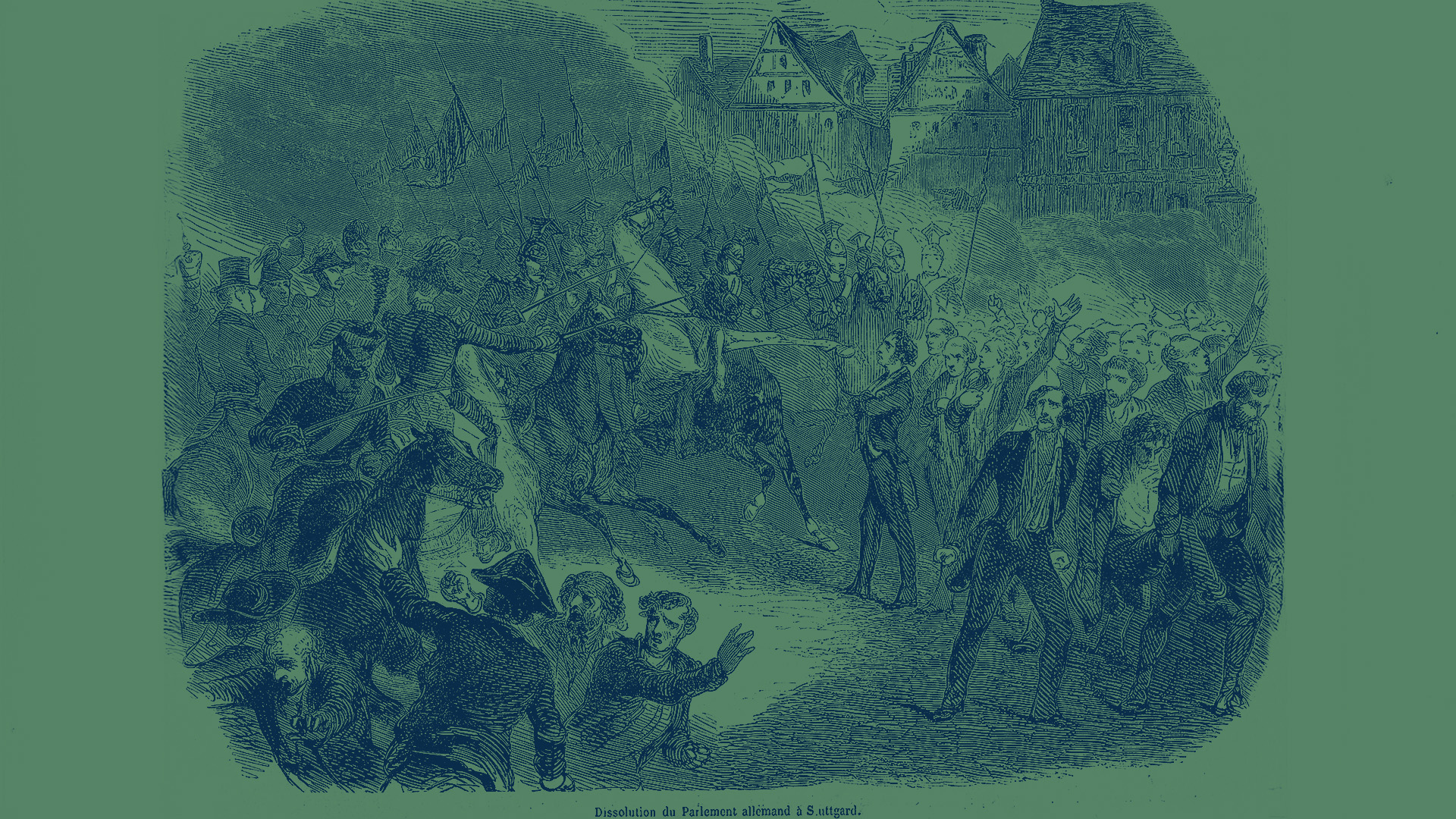






![Alexander von Humboldt [Ausschnitt], Gemälde von Friedrich Georg Weitsch (Quelle: Alte Nationalgalerie)](https://www.deutschlandmuseum.de/wp-content/uploads/2025/09/14091769_Humboldt-400x400.jpg "Alexander von Humboldt [Ausschnitt], Gemälde von Friedrich Georg Weitsch (Quelle: Alte Nationalgalerie)")



![Albert Einstein im Patentamt Bern, 1905 [digital koloriert] (Quelle: ETH-Bibliothek Zürich)](https://www.deutschlandmuseum.de/wp-content/uploads/2025/09/26091905_Einstein_koloriert-400x400.jpg "Albert Einstein im Patentamt Bern, 1905 [digital koloriert] (Quelle: ETH-Bibliothek Zürich)")