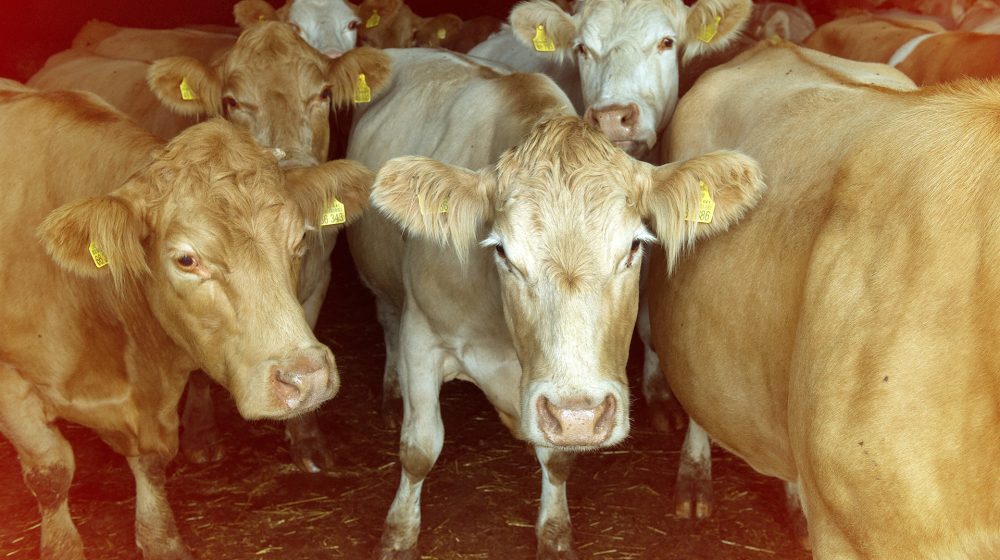

SE is detected in a German cow for the first time
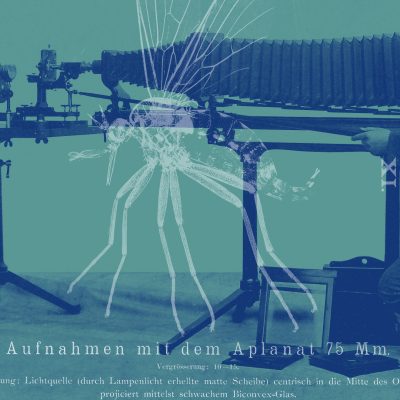
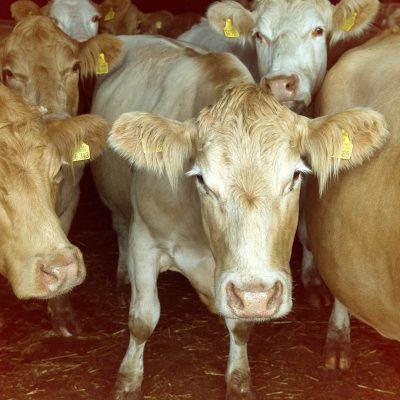
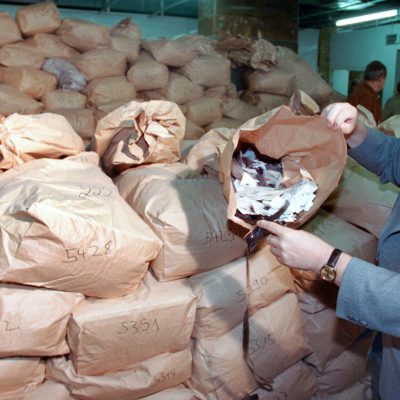
Bovine spongiform encephalopathy (BSE), more commonly known as “mad cow disease” had been relatively widespread in British cattle herds since the 1980s, meaning that thousands of cattle were slaughtered and incinerated. Whilst the first cases were suspected in Germany in the 1990s, the authorities did not look too closely at the animals affected, allowing them to enter the food chain. Only after a vet leaked the story to the media were food inspectors given new powers to set up a central cattle database and start monitoring Germany’s bovine population. Around the same time, an increasing number of Britons began experiencing problems with vision and balance, memory loss and even dementia. Doctors began to suspect that Creutzfeldt-Jakob disease (vCJD) – as this rapidly fatal degenerative brain disorder became known – might indeed be linked to BSE.
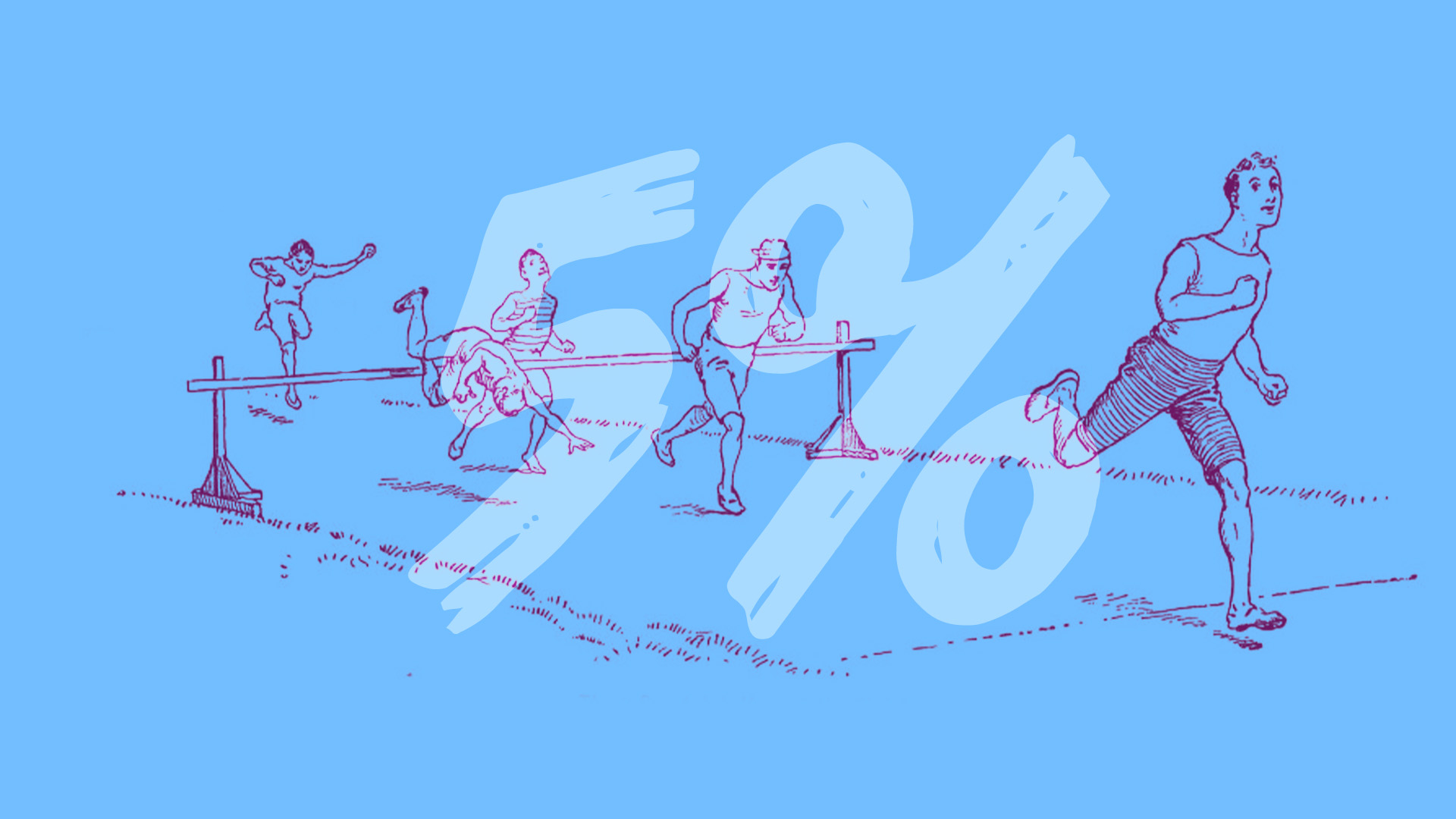
The discovery of BSE in a cow in Schleswig-Holstein on 26 November 2000 caused meat sales to plummet by 50%. Hundreds of further cases of BSE were found until 2005, after which numbers declined significantly due to a widespread cull. It soon became apparent that vCJD was linked to BSE and could be caused by consuming meat from infected cattle. Whilst there have been over 200 cases of vCJD in Western Europe, none have been registered in Germany.


The whole year at a glance



![Lithografie von Johann Nepomuk Heinemann [koloriert], nach Ölgemälde von Feodor Dietz (Foto: LABW, GLAK)](https://www.deutschlandmuseum.de/wp-content/uploads/2025/02/02031689_Zerstoerung_Heidelbergs-400x400.jpg "Lithografie von Johann Nepomuk Heinemann [koloriert], nach Ölgemälde von Feodor Dietz (Foto: LABW, GLAK)")


![Unter den Unterzeichnern sind die Nobelpreisträger Otto Hahn, Werner Heisenberg und Max Born [digital koloriert] (Quelle: Landesarchiv BW Staatsarchiv Freiburg, CC-BY-SA)](https://www.deutschlandmuseum.de/wp-content/uploads/2025/04/12041957_Göttinger_Erklärung-400x400.jpg "Unter den Unterzeichnern sind die Nobelpreisträger Otto Hahn, Werner Heisenberg und Max Born [digital koloriert] (Quelle: Landesarchiv BW Staatsarchiv Freiburg, CC-BY-SA)")




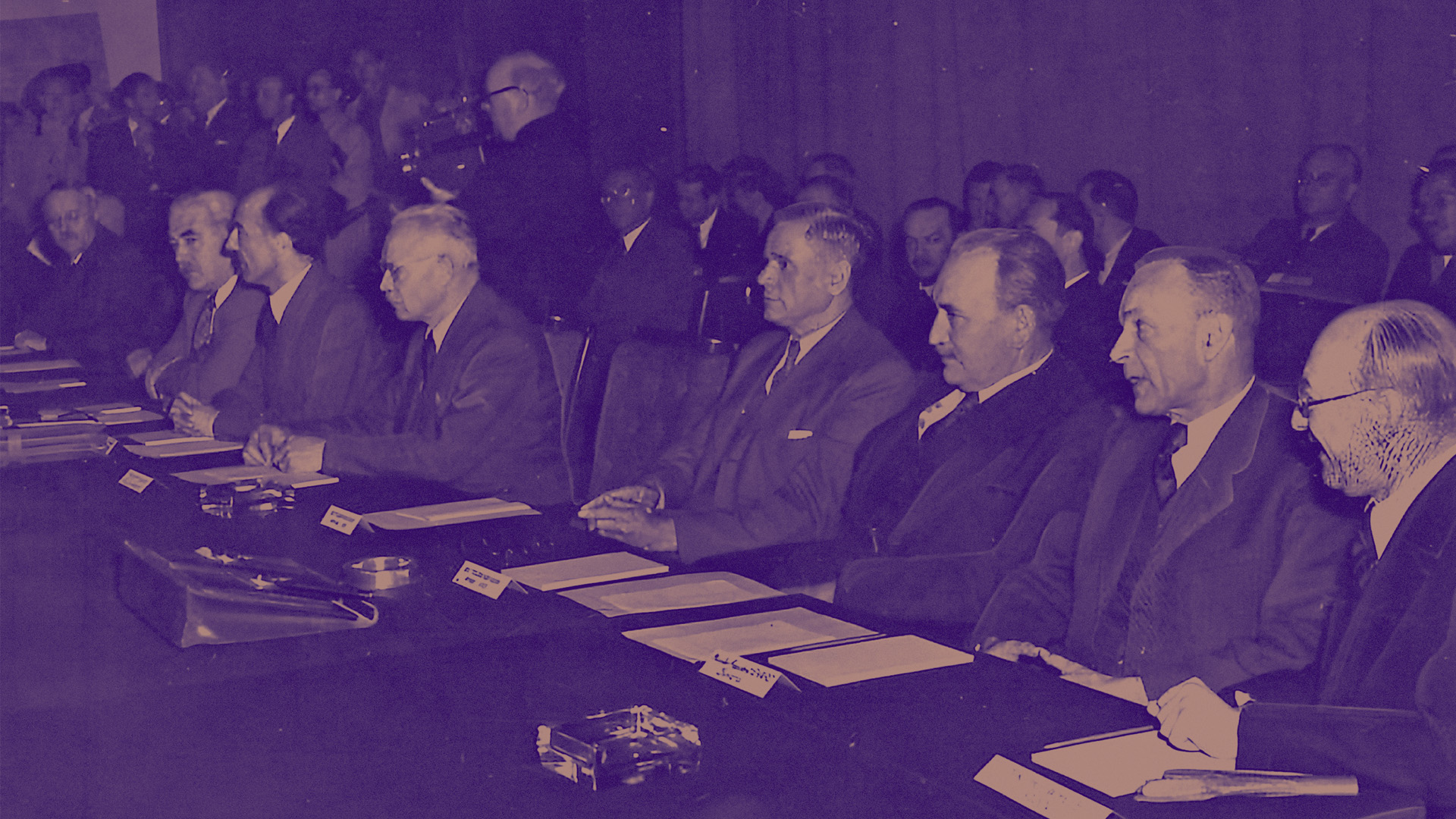
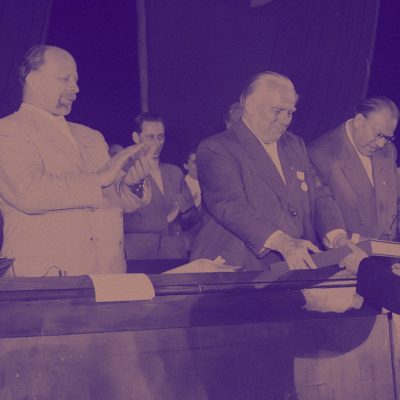
](https://www.deutschlandmuseum.de/wp-content/uploads/2025/04/21041946_SED_Gründung-1-400x400.jpg "Vereinigungsparteitag von KPD und SPD zur SED [digital koloriert](Quelle: Deutsche Fotothek, CC BY-SA 3.0 DE)")








![Alexander von Humboldt [Ausschnitt], Gemälde von Friedrich Georg Weitsch (Quelle: Alte Nationalgalerie)](https://www.deutschlandmuseum.de/wp-content/uploads/2025/09/14091769_Humboldt-400x400.jpg "Alexander von Humboldt [Ausschnitt], Gemälde von Friedrich Georg Weitsch (Quelle: Alte Nationalgalerie)")



![Albert Einstein im Patentamt Bern, 1905 [digital koloriert] (Quelle: ETH-Bibliothek Zürich)](https://www.deutschlandmuseum.de/wp-content/uploads/2025/09/26091905_Einstein_koloriert-400x400.jpg "Albert Einstein im Patentamt Bern, 1905 [digital koloriert] (Quelle: ETH-Bibliothek Zürich)")