
The Weimar Republic passes a law on narcotics
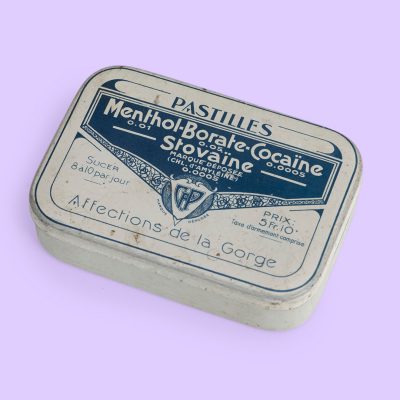
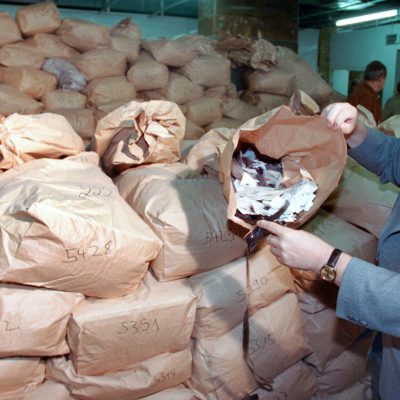
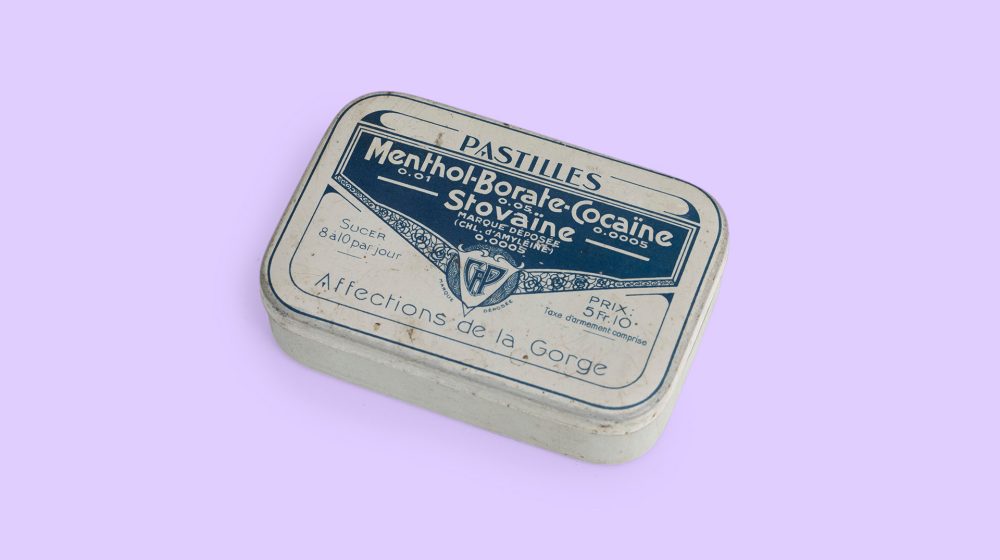
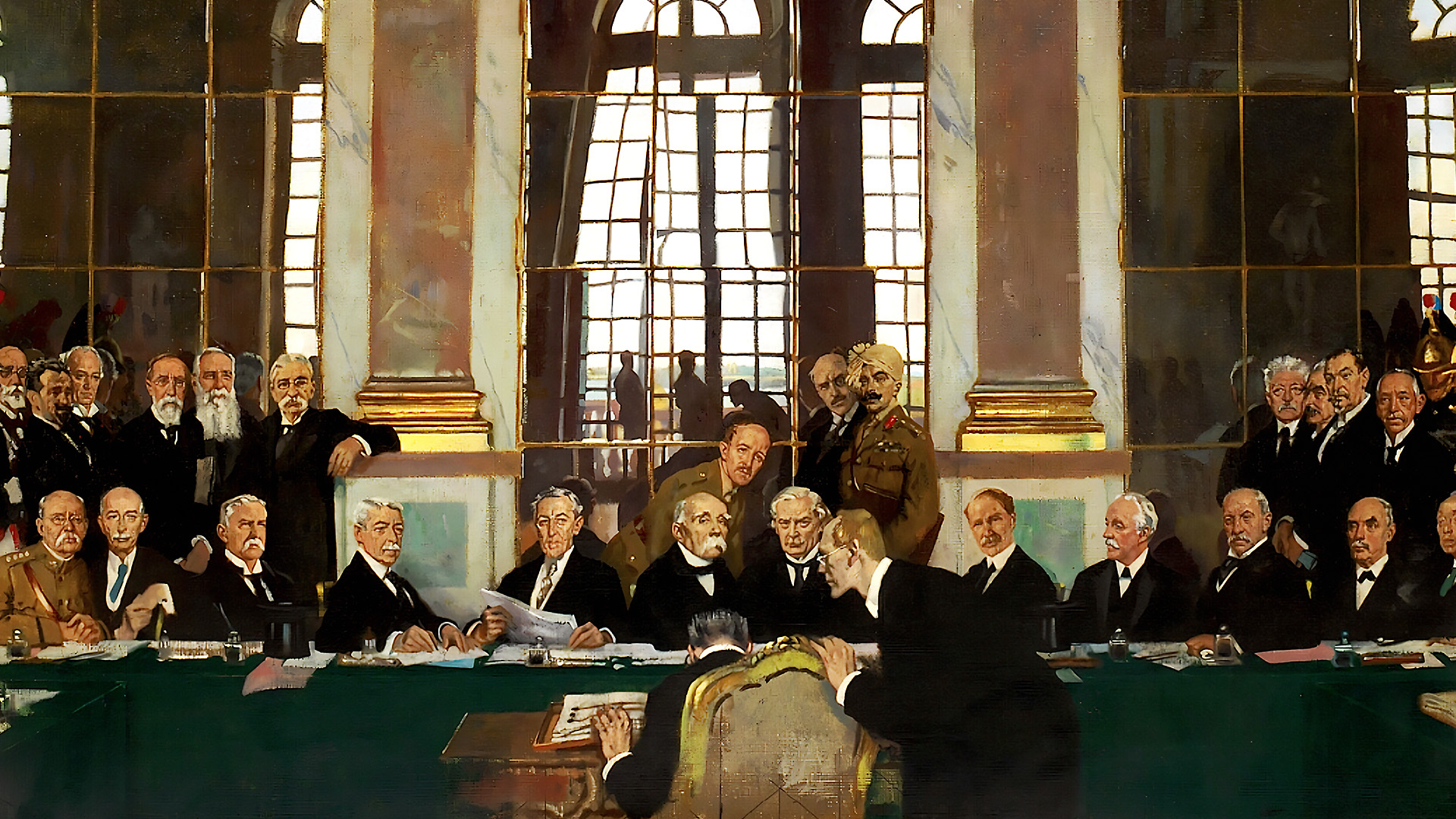
At the turn of the 20th century, a German chemist searching for a remedy for respiratory diseases developed a drug derived from raw opium; his employer, Bayer, then marketed it under the name “heroin”. Although effective as a cough suppressant and painkiller, heroin was highly addictive. International conferences in Shanghai and The Hague called for stricter opium laws worldwide and placed heroin on a list of drugs that should be subject to controls. Germany did not initially respond, but after the Treaty of Versailles ended the First World War, it was required to implement the resolutions of the Hague Opium Convention. Nevertheless, opium products and cocaine continued to be used freely in medicine during the Weimar Republic. It was not until the Law on the Trade in Narcotics from 10 December 1929 – known as the “Opium Act” – that products made from opium, coca leaves or hemp became prescription-only.
The problem of drug abuse was not accorded much social recognition in West Germany, where there were only about a hundred convictions per year. That changed at the end of the 1960s when the Opium Act was amended. The 1981 revision of this act is still in force today. In 1994, the Federal Constitutional Court ruled that possession of small amounts of cannabis for personal use should not be prosecuted. In 2024, a new Cannabis Act was passed, which permits cannabis consumption under certain conditions.


The whole year at a glance












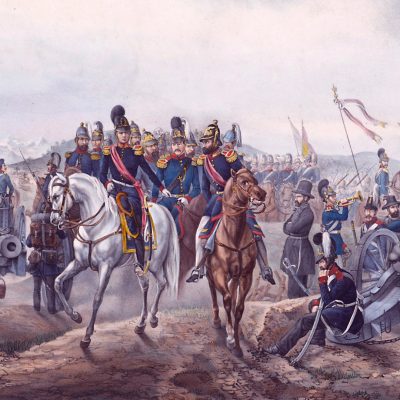
![Lithografie von Johann Nepomuk Heinemann [koloriert], nach Ölgemälde von Feodor Dietz (Foto: LABW, GLAK)](https://www.deutschlandmuseum.de/wp-content/uploads/2025/02/02031689_Zerstoerung_Heidelbergs-400x400.jpg "Lithografie von Johann Nepomuk Heinemann [koloriert], nach Ölgemälde von Feodor Dietz (Foto: LABW, GLAK)")






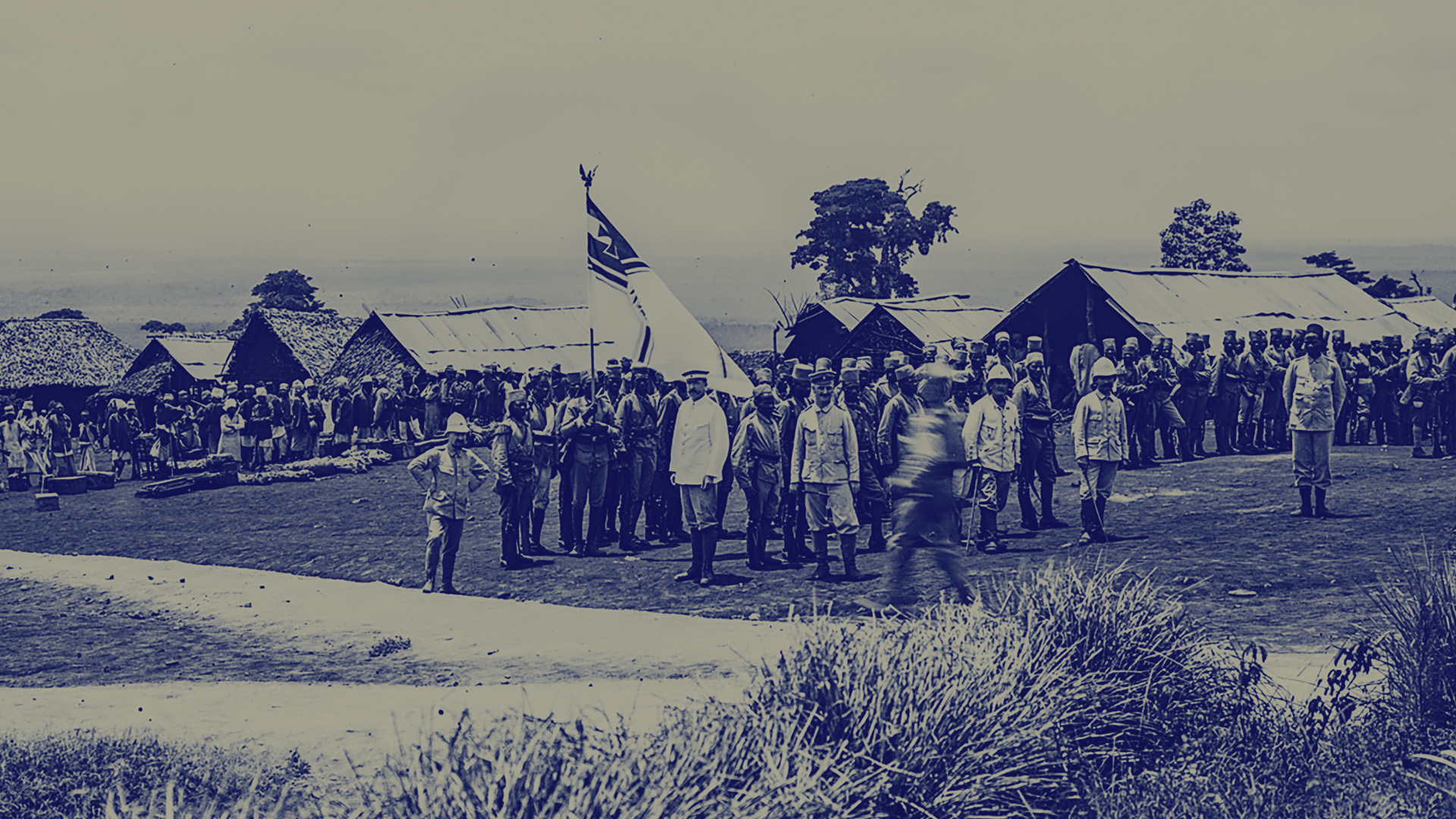
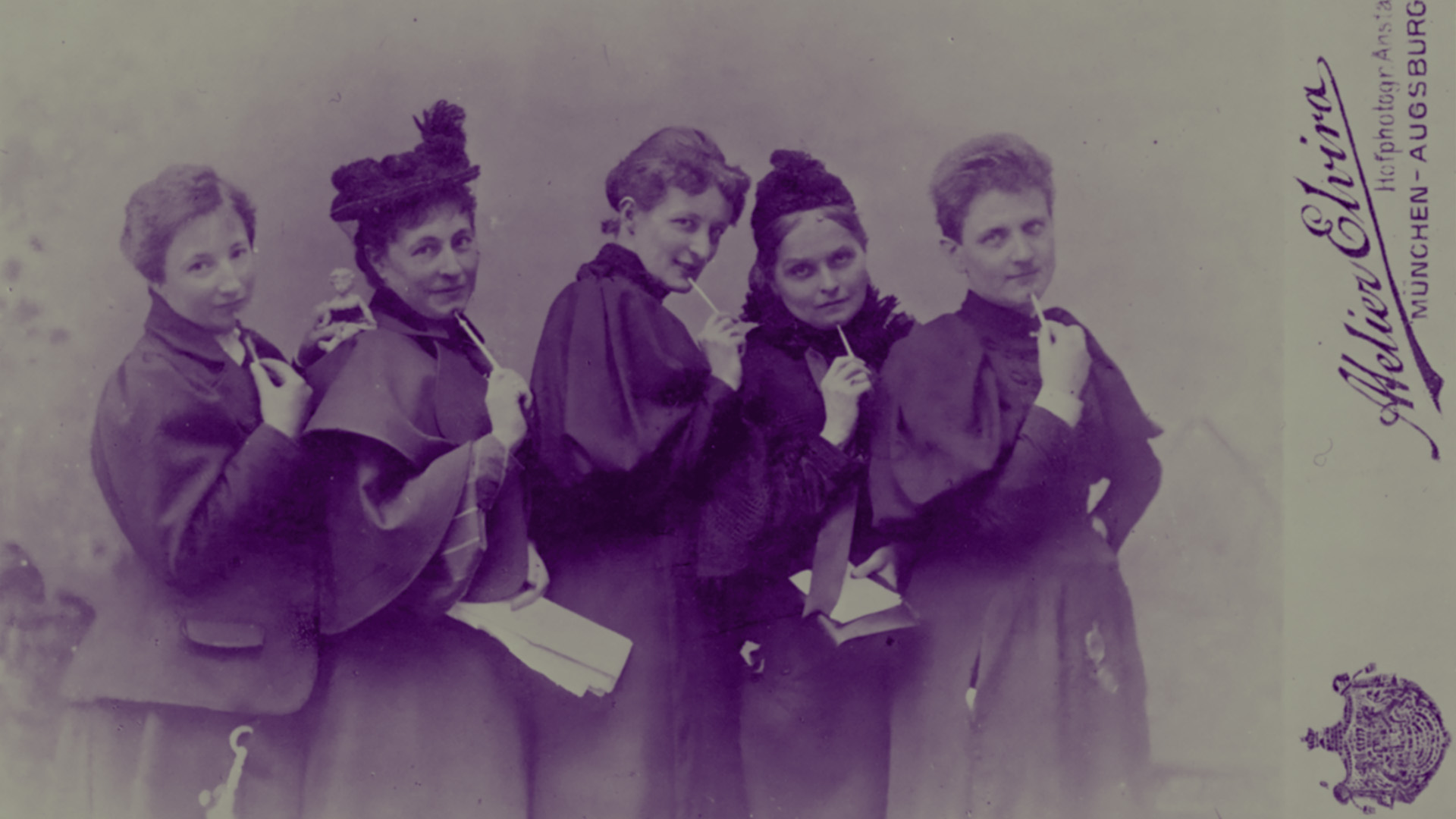

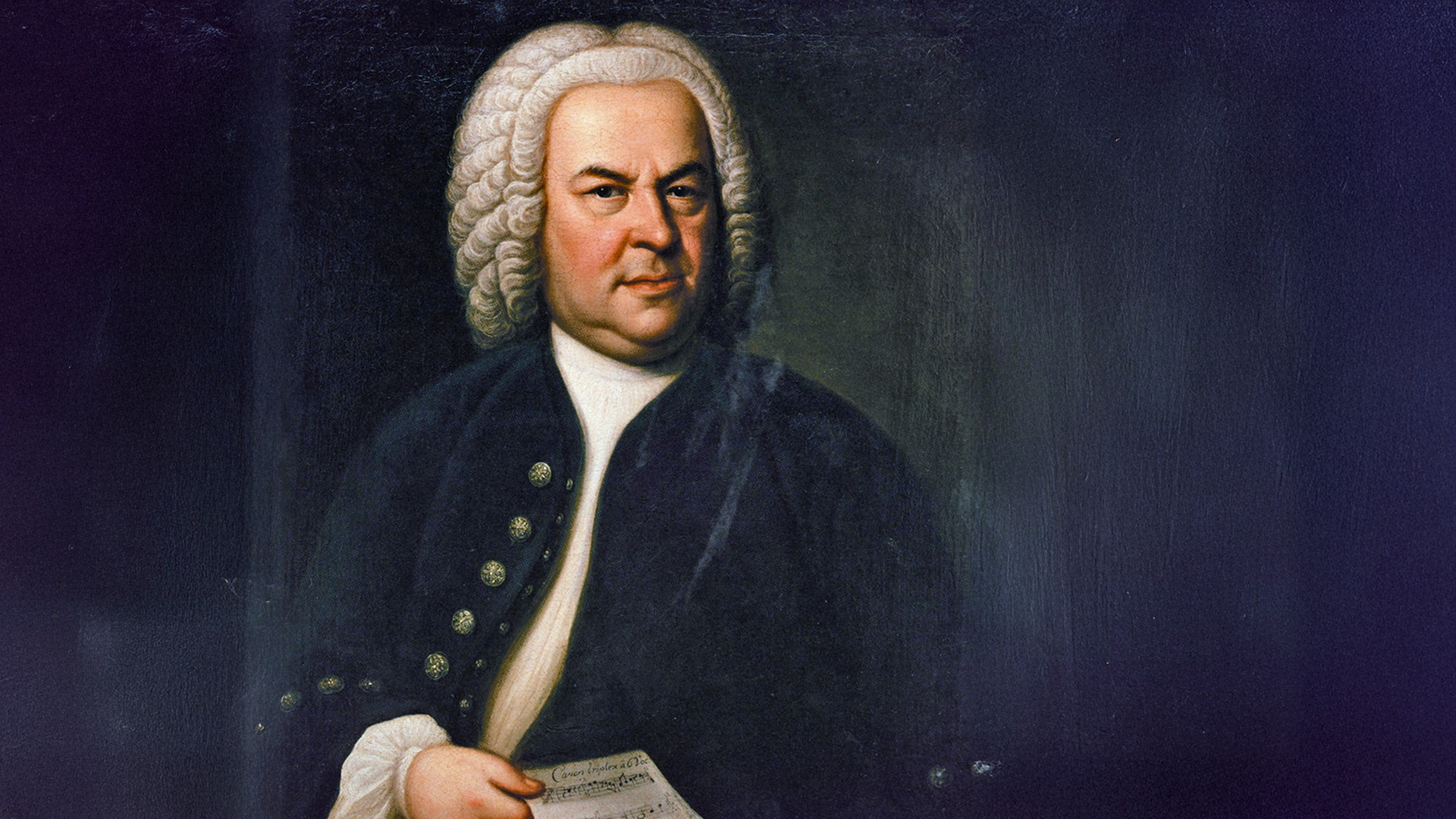
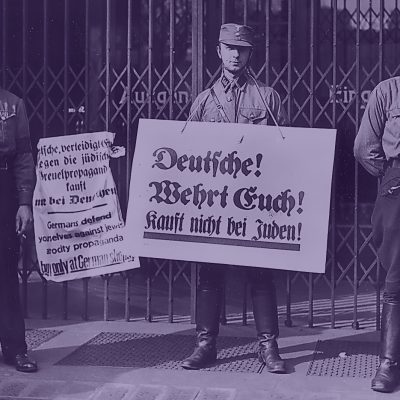


![Unter den Unterzeichnern sind die Nobelpreisträger Otto Hahn, Werner Heisenberg und Max Born [digital koloriert] (Quelle: Landesarchiv BW Staatsarchiv Freiburg, CC-BY-SA)](https://www.deutschlandmuseum.de/wp-content/uploads/2025/04/12041957_Göttinger_Erklärung-400x400.jpg "Unter den Unterzeichnern sind die Nobelpreisträger Otto Hahn, Werner Heisenberg und Max Born [digital koloriert] (Quelle: Landesarchiv BW Staatsarchiv Freiburg, CC-BY-SA)")




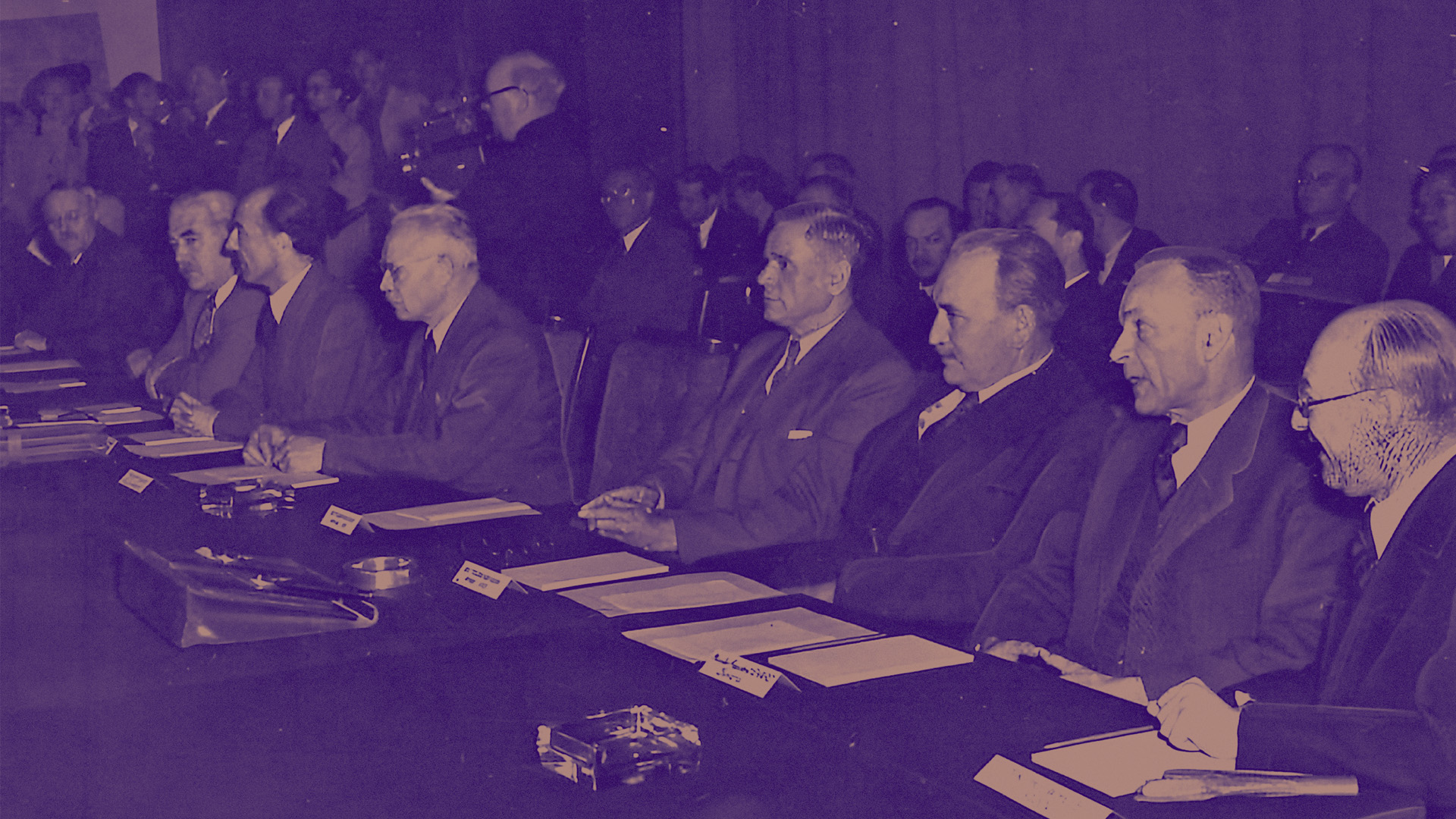
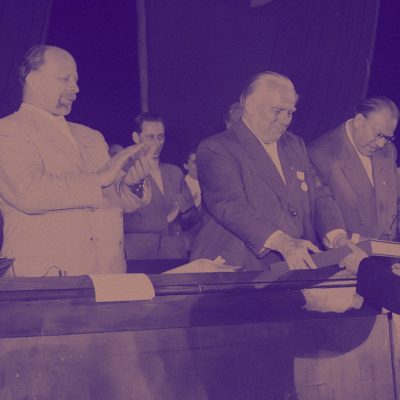
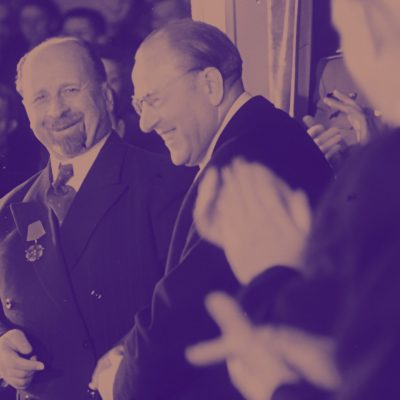
](https://www.deutschlandmuseum.de/wp-content/uploads/2025/04/21041946_SED_Gründung-1-400x400.jpg "Vereinigungsparteitag von KPD und SPD zur SED [digital koloriert](Quelle: Deutsche Fotothek, CC BY-SA 3.0 DE)")











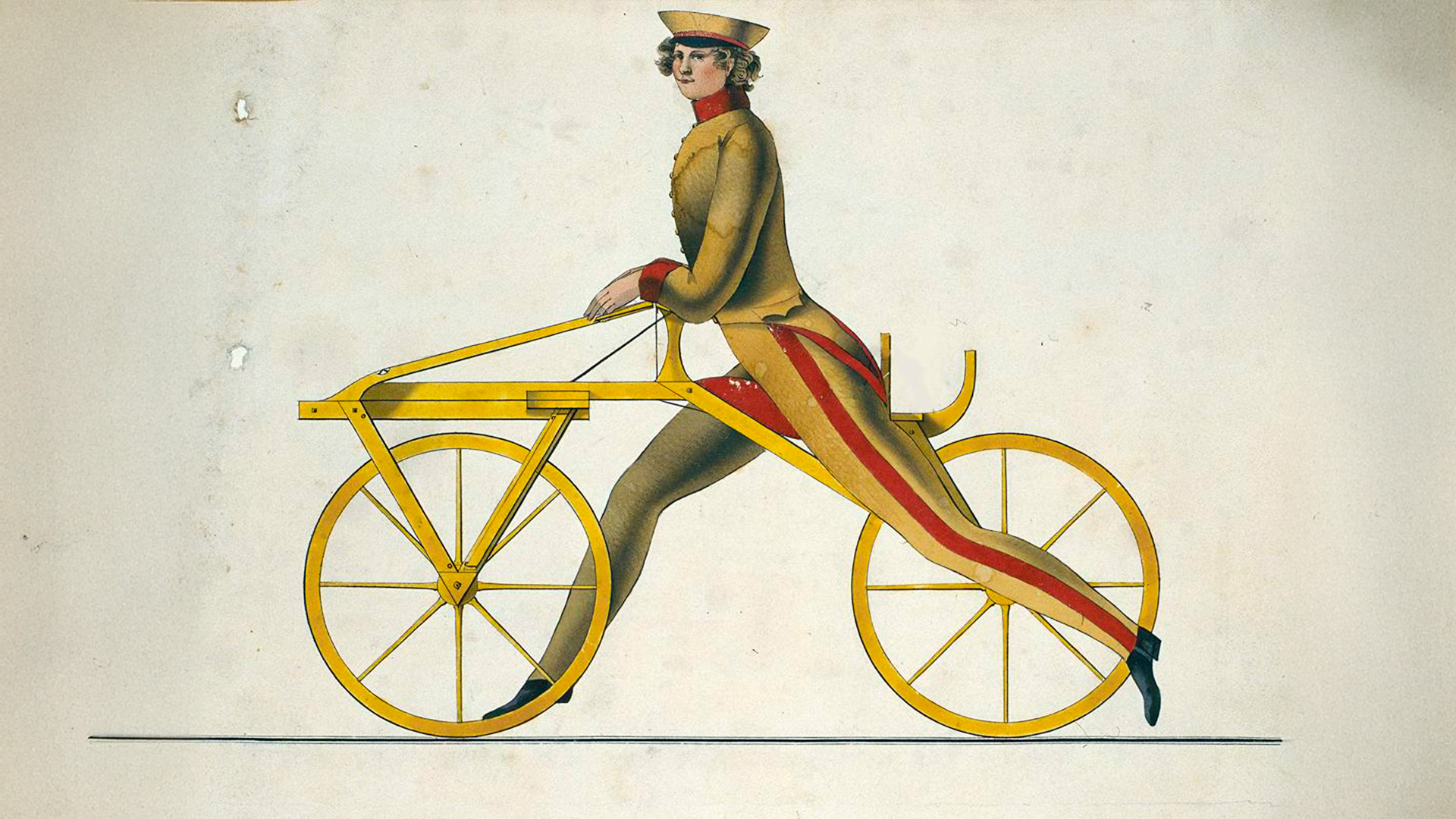
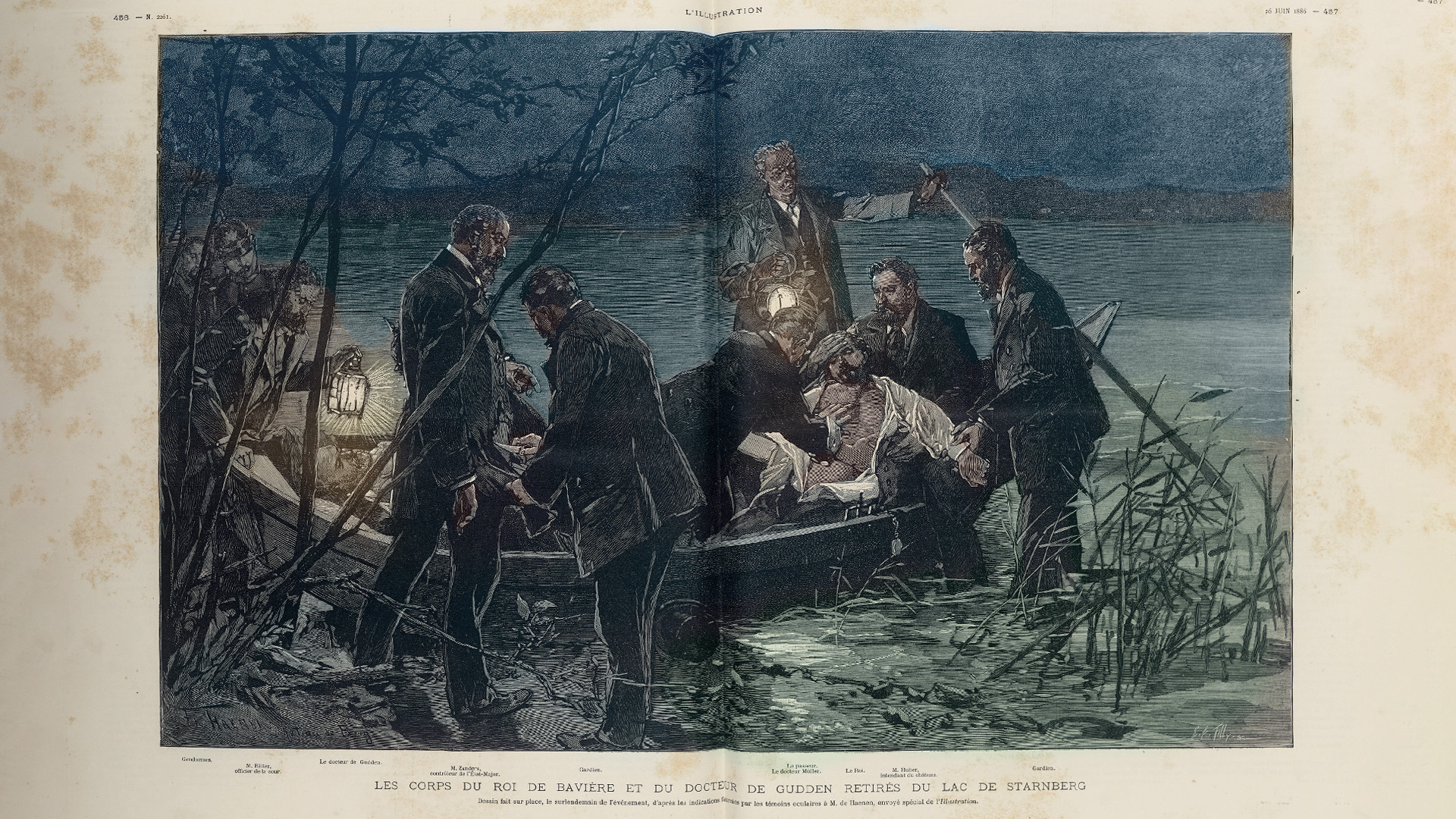

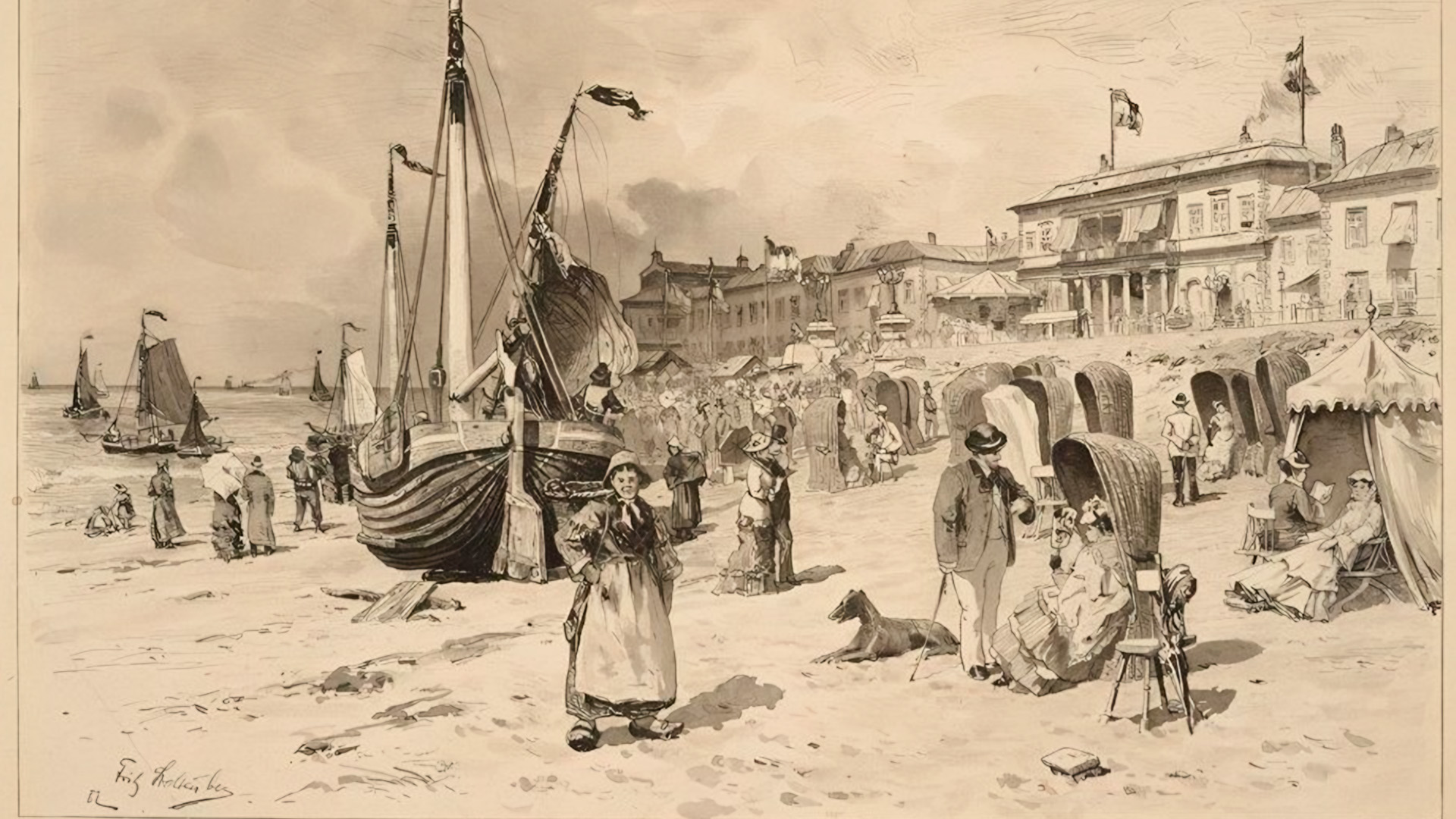
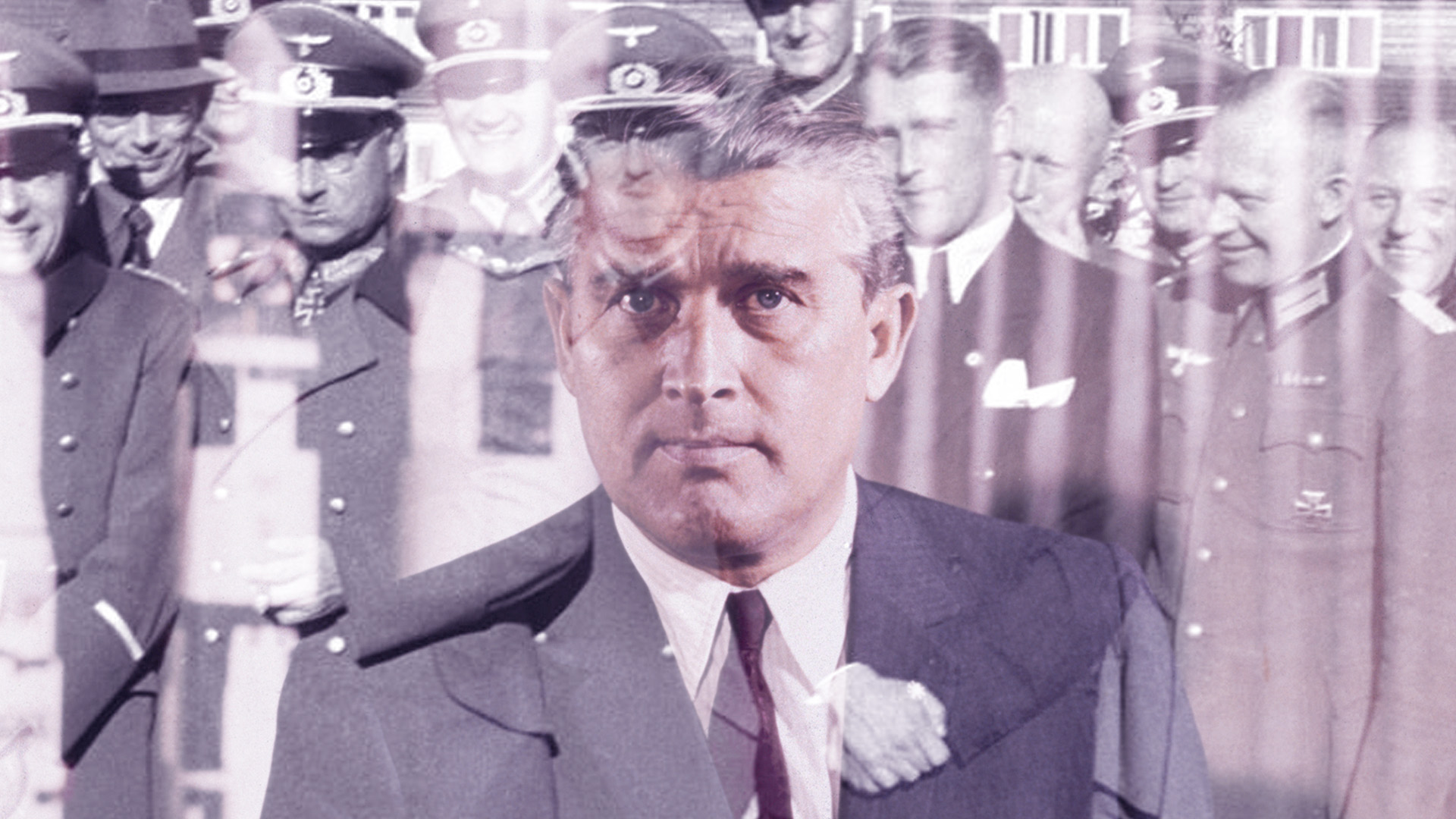













![Alexander von Humboldt [Ausschnitt], Gemälde von Friedrich Georg Weitsch (Quelle: Alte Nationalgalerie)](https://www.deutschlandmuseum.de/wp-content/uploads/2025/09/14091769_Humboldt-400x400.jpg "Alexander von Humboldt [Ausschnitt], Gemälde von Friedrich Georg Weitsch (Quelle: Alte Nationalgalerie)")



![Albert Einstein im Patentamt Bern, 1905 [digital koloriert] (Quelle: ETH-Bibliothek Zürich)](https://www.deutschlandmuseum.de/wp-content/uploads/2025/09/26091905_Einstein_koloriert-400x400.jpg "Albert Einstein im Patentamt Bern, 1905 [digital koloriert] (Quelle: ETH-Bibliothek Zürich)")