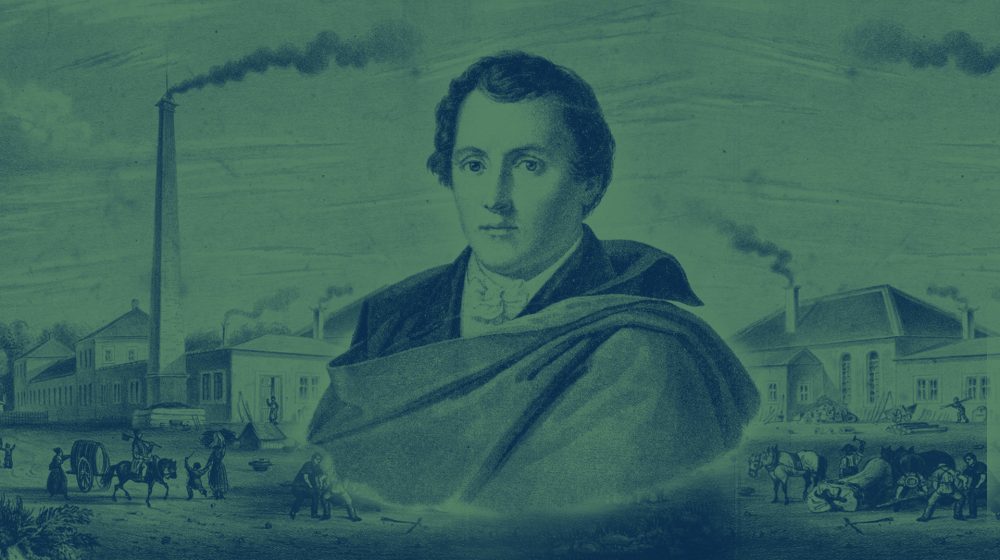

The first-ever parliamentary speech in Germany focusing on social reform
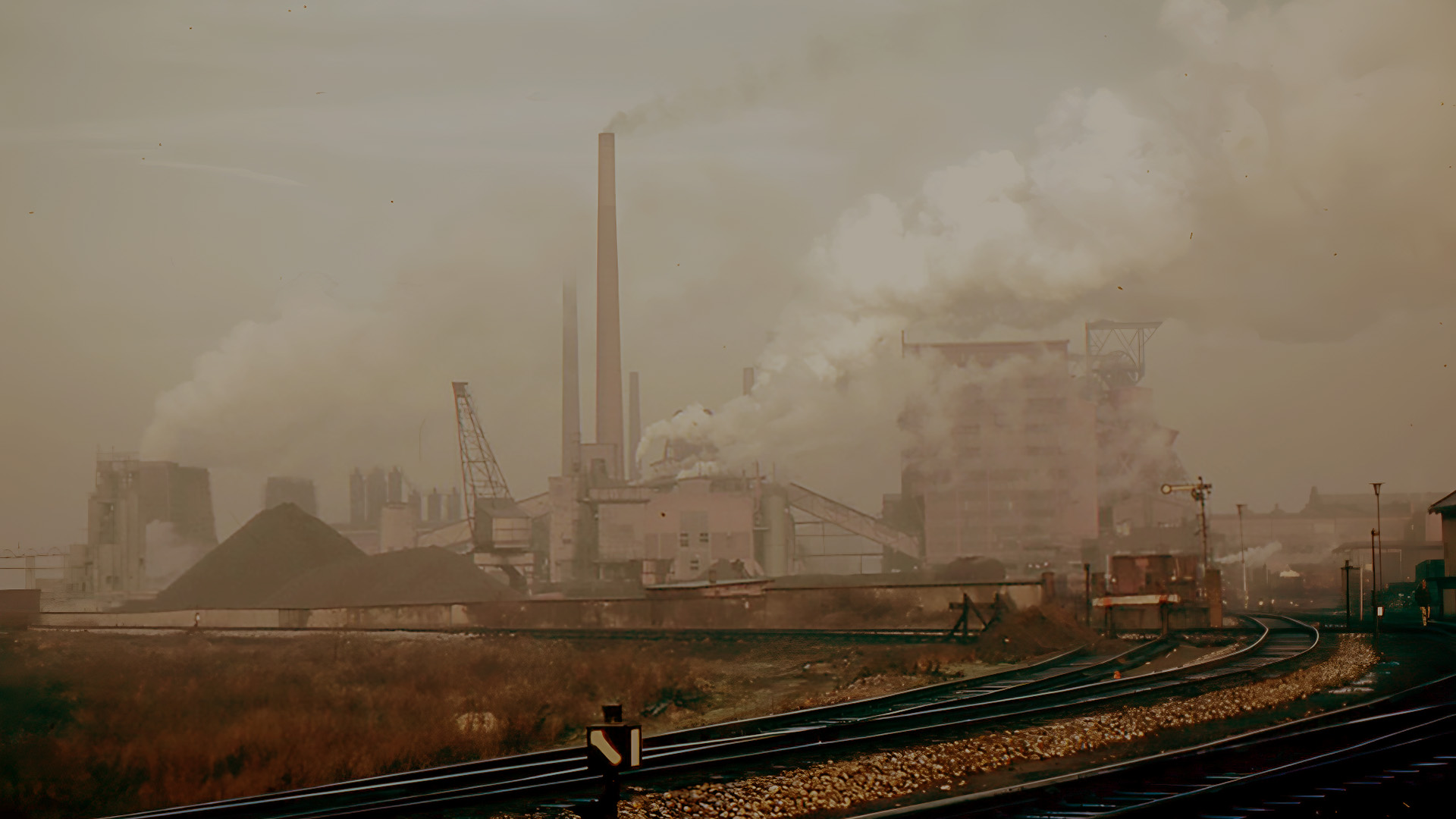
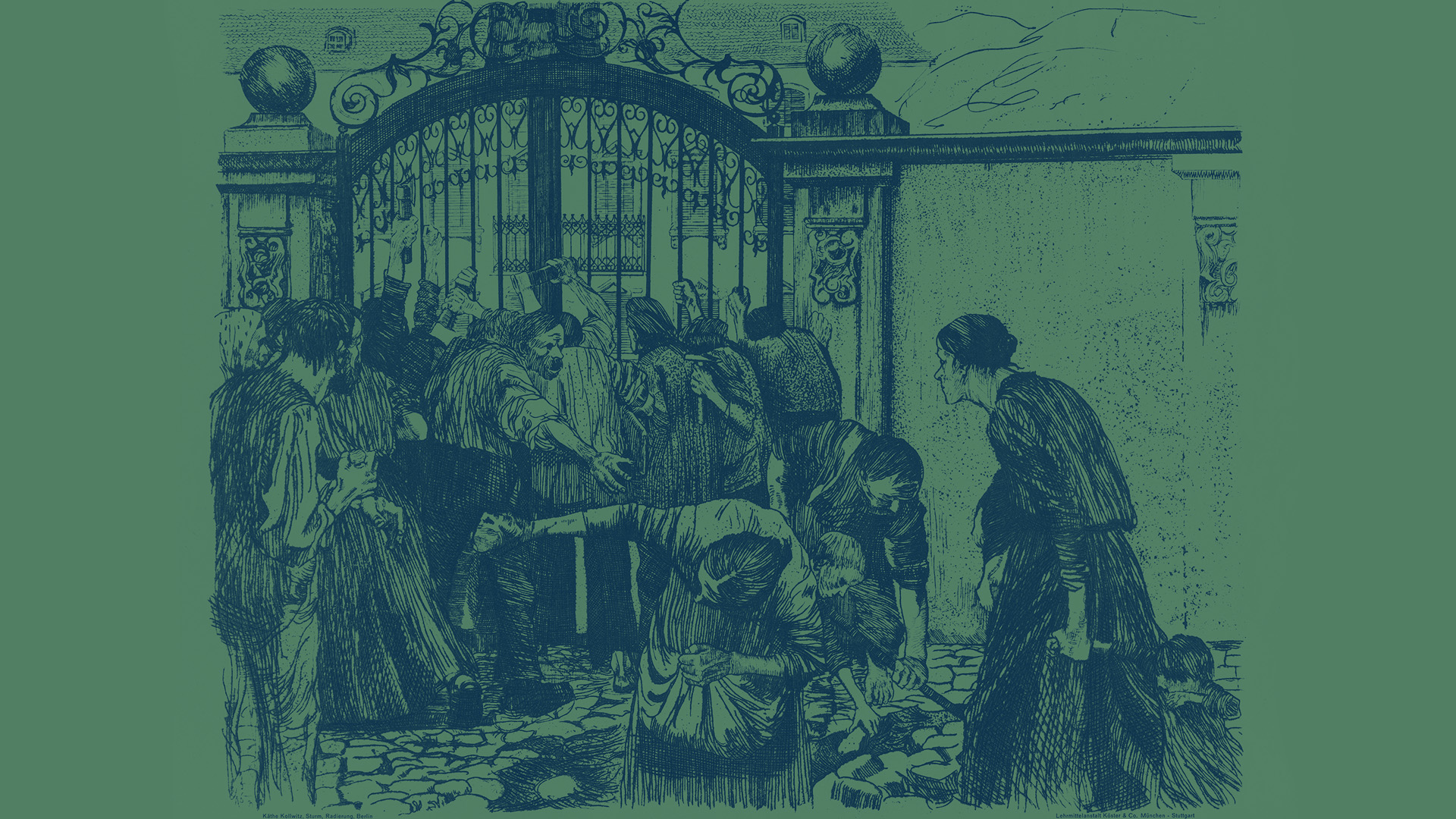
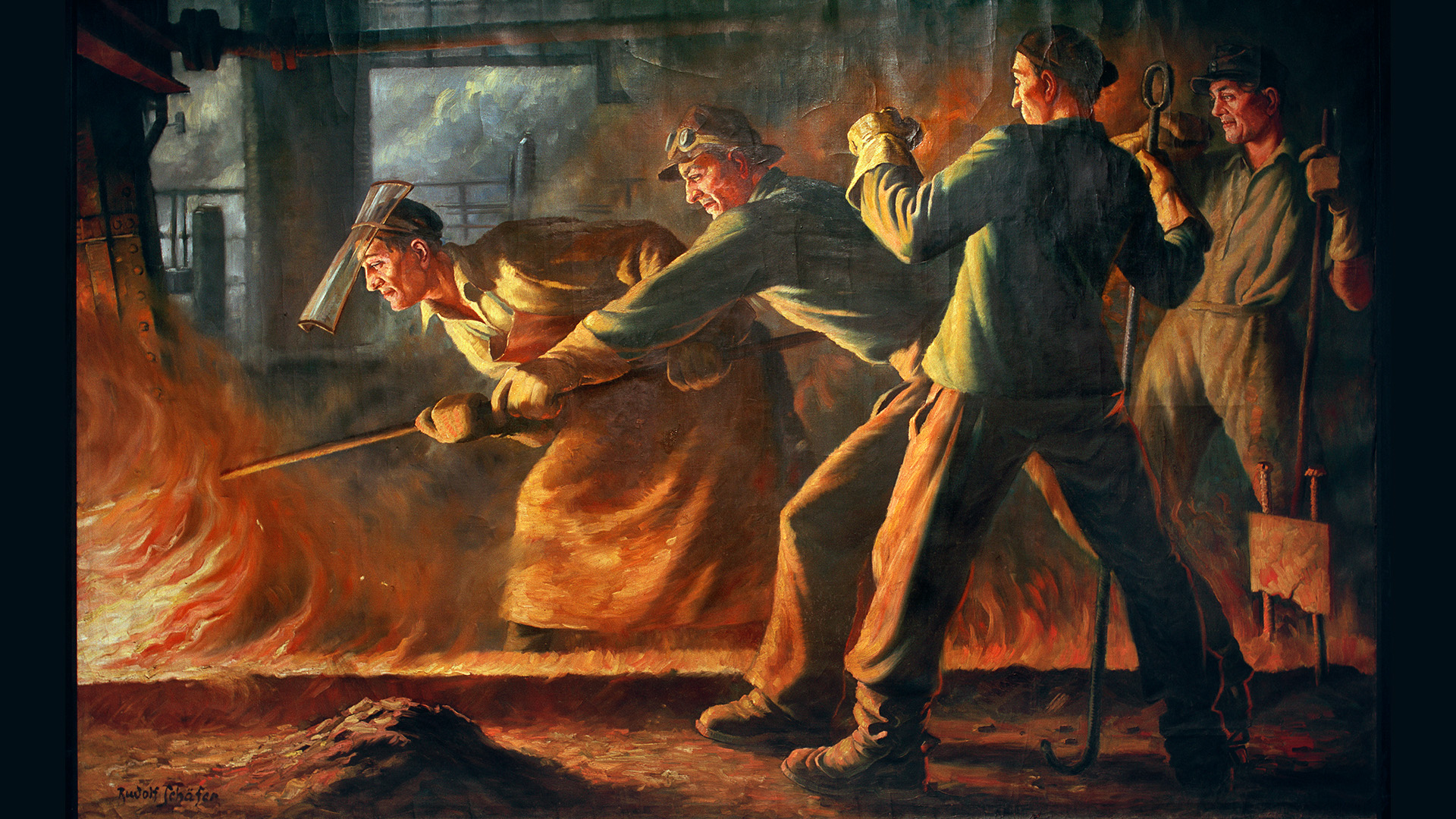
Whilst revolution was brewing in the years before 1848, the parliaments of the constituent states of the German Confederation concerned themselves predominantly with issues affecting the wealthy. The problems of the growing number of industrial workers were largely ignored.
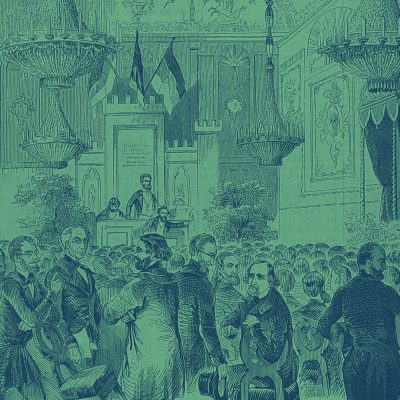
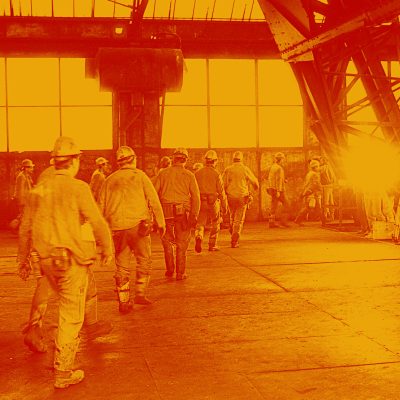
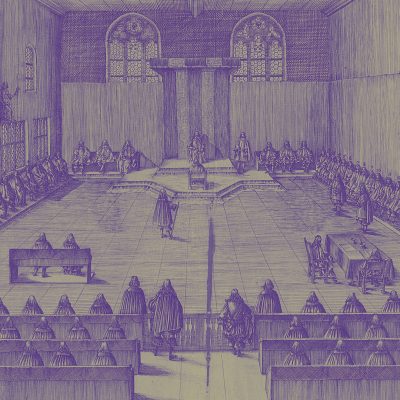
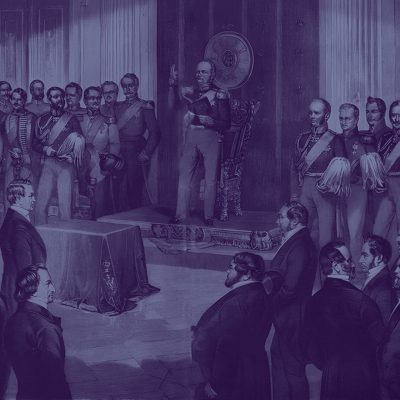
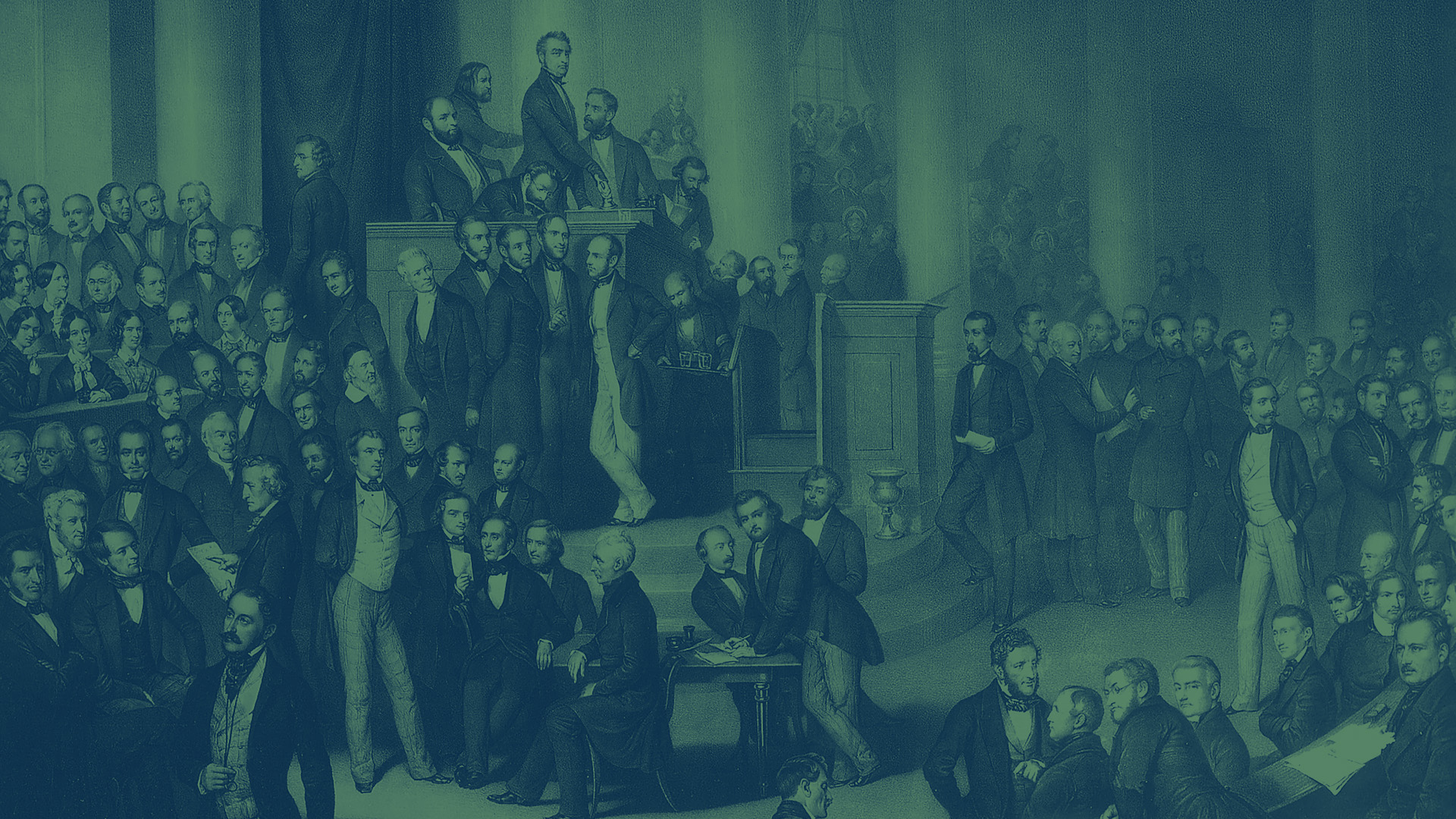
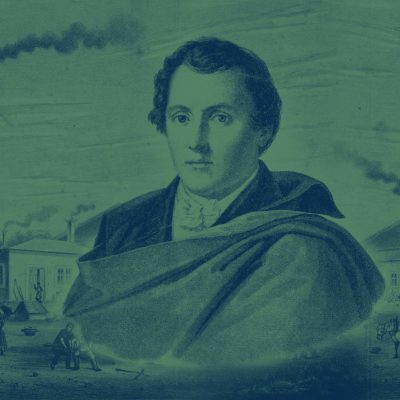
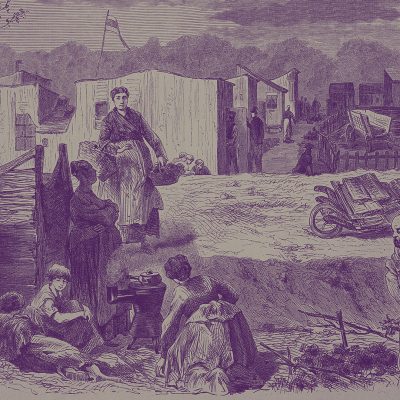
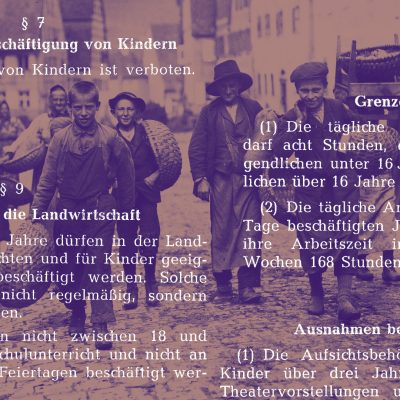
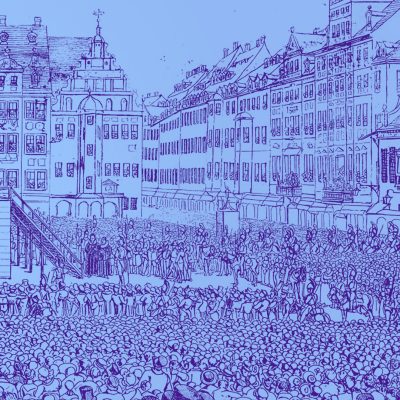
1837 saw the election of Franz Joseph Buß to the Second Chamber of the Baden Assembly of Estates. The new member for Gengenbach-Oberkirch, an urban constituency near Offenburg, made waves by delivering the first-ever speech in a German representative body to focus on the condition of the industrial worker. In what later became known as the “Factory Speech”, he outlined the negative consequences of industrialization for workers and made demands that were extremely progressive for the time. Addressing his fellow representatives, he demanded that they legislate to regulate working hours, terms of dismissal and child labour. He also called for the establishment of a factory inspectorate and measures requiring employers to provide vocational training and an illness and accident fund. Perhaps Buß was too far ahead of his time: his demands were largely ignored.

The whole year at a glance







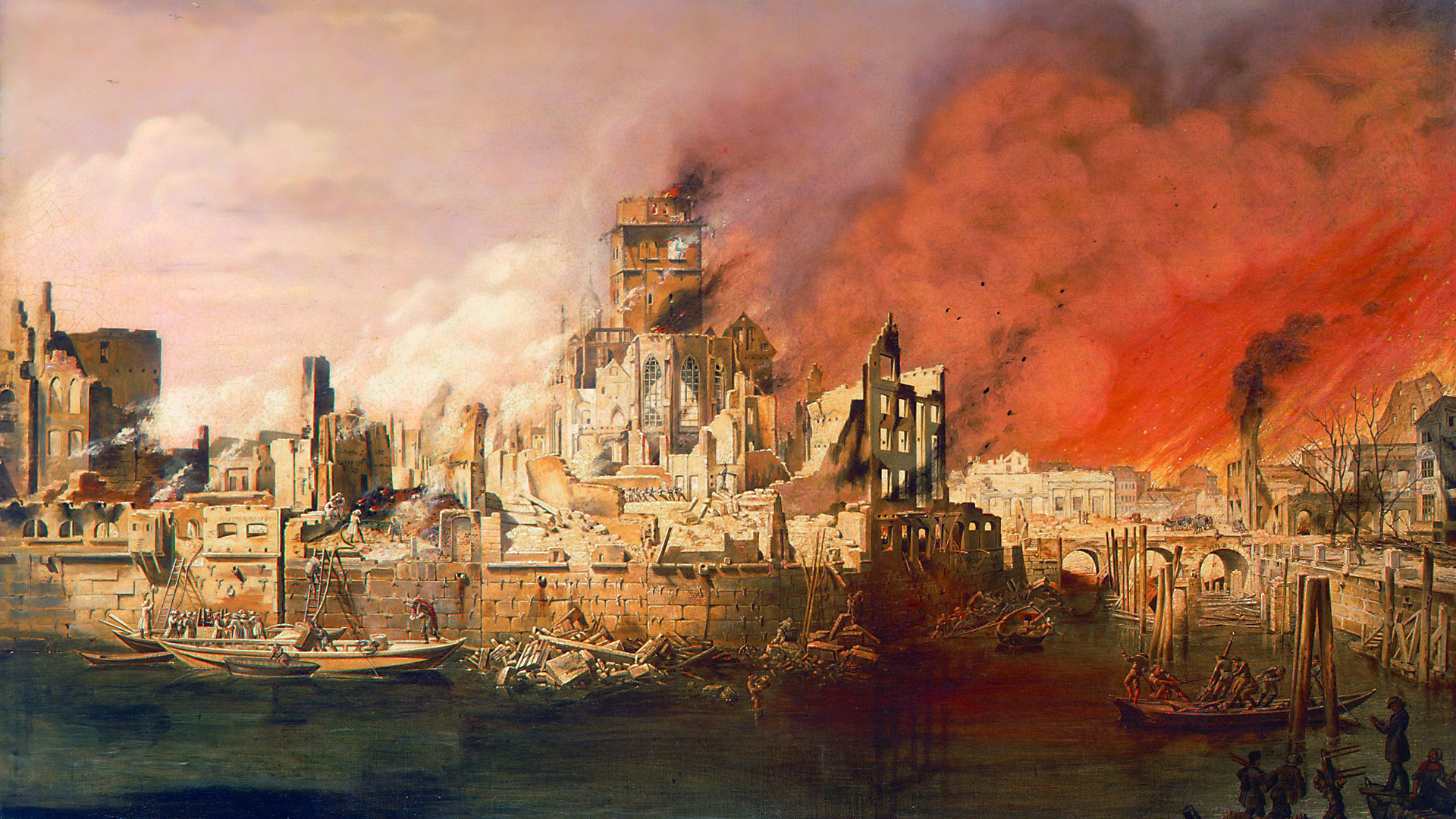
![Lithografie von Johann Nepomuk Heinemann [koloriert], nach Ölgemälde von Feodor Dietz (Foto: LABW, GLAK)](https://www.deutschlandmuseum.de/wp-content/uploads/2025/02/02031689_Zerstoerung_Heidelbergs-400x400.jpg "Lithografie von Johann Nepomuk Heinemann [koloriert], nach Ölgemälde von Feodor Dietz (Foto: LABW, GLAK)")



![Unter den Unterzeichnern sind die Nobelpreisträger Otto Hahn, Werner Heisenberg und Max Born [digital koloriert] (Quelle: Landesarchiv BW Staatsarchiv Freiburg, CC-BY-SA)](https://www.deutschlandmuseum.de/wp-content/uploads/2025/04/12041957_Göttinger_Erklärung-400x400.jpg "Unter den Unterzeichnern sind die Nobelpreisträger Otto Hahn, Werner Heisenberg und Max Born [digital koloriert] (Quelle: Landesarchiv BW Staatsarchiv Freiburg, CC-BY-SA)")

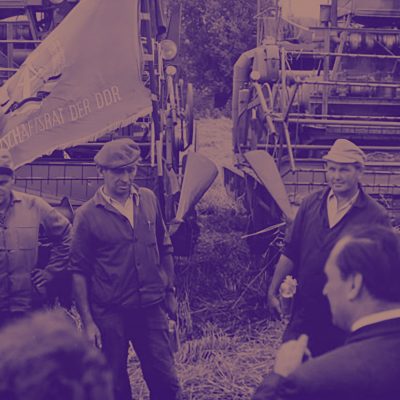


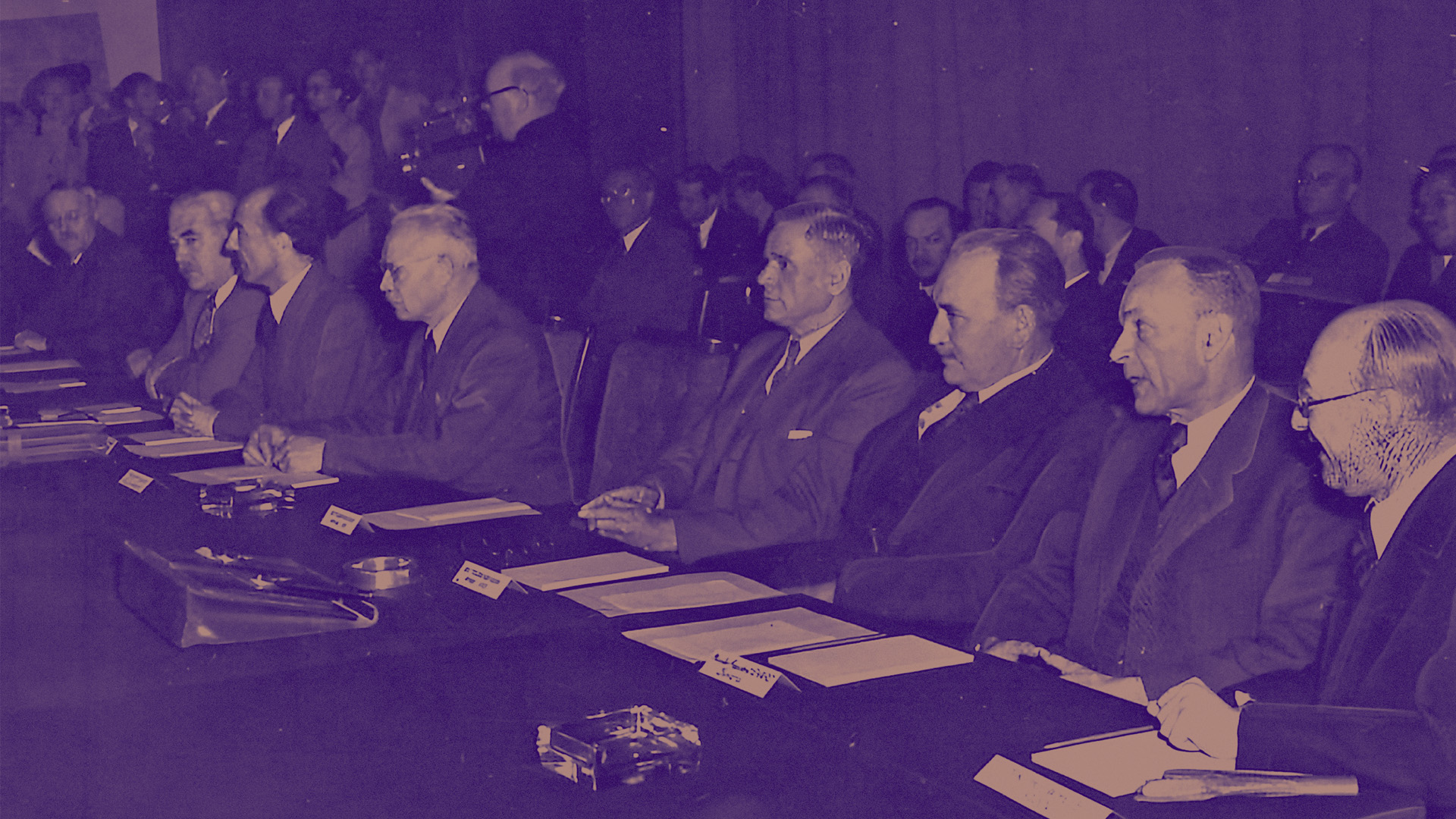
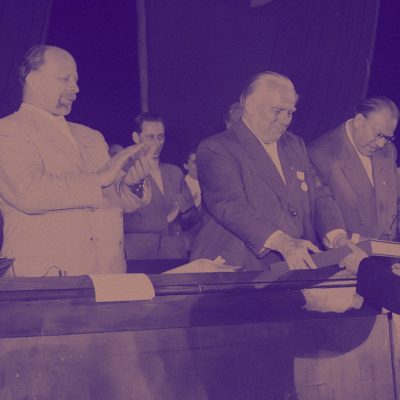
](https://www.deutschlandmuseum.de/wp-content/uploads/2025/04/21041946_SED_Gründung-1-400x400.jpg "Vereinigungsparteitag von KPD und SPD zur SED [digital koloriert](Quelle: Deutsche Fotothek, CC BY-SA 3.0 DE)")










![Alexander von Humboldt [Ausschnitt], Gemälde von Friedrich Georg Weitsch (Quelle: Alte Nationalgalerie)](https://www.deutschlandmuseum.de/wp-content/uploads/2025/09/14091769_Humboldt-400x400.jpg "Alexander von Humboldt [Ausschnitt], Gemälde von Friedrich Georg Weitsch (Quelle: Alte Nationalgalerie)")



![Albert Einstein im Patentamt Bern, 1905 [digital koloriert] (Quelle: ETH-Bibliothek Zürich)](https://www.deutschlandmuseum.de/wp-content/uploads/2025/09/26091905_Einstein_koloriert-400x400.jpg "Albert Einstein im Patentamt Bern, 1905 [digital koloriert] (Quelle: ETH-Bibliothek Zürich)")