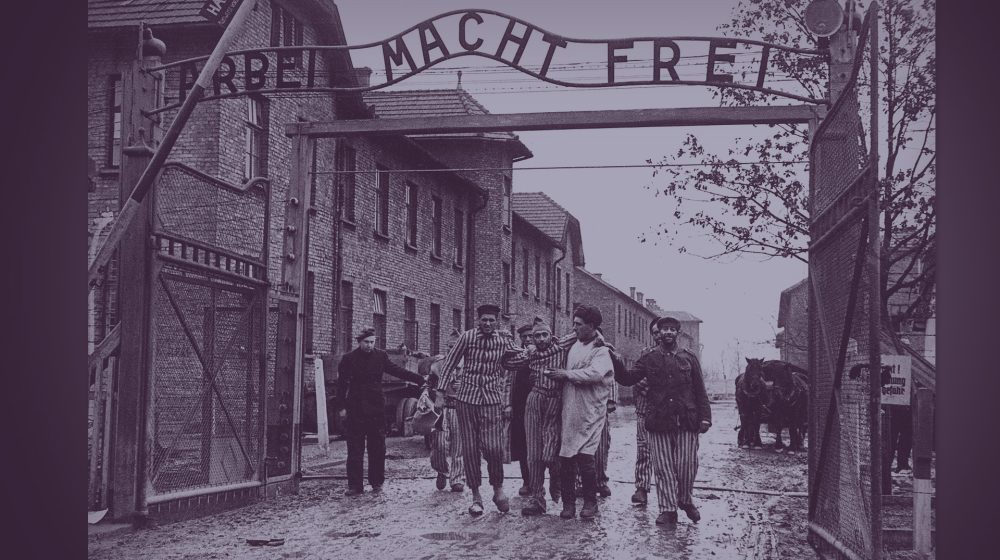

The Red Army enters the largest Nazi death camp
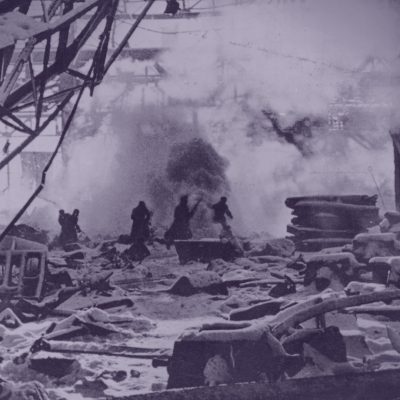
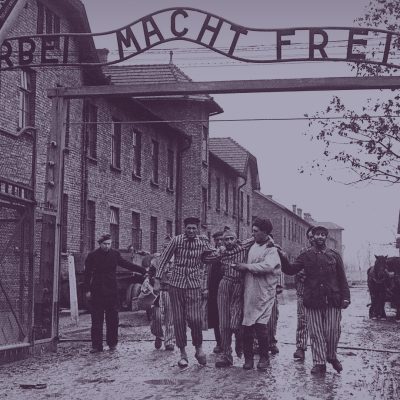
There was no place for Jews in Hitler’s plans for Europe, and the Third Reich set up a system of death camps to murder them all. Built in south-west Poland in 1941, Auschwitz-Birkenau later became a symbol for this Holocaust or Shoah. In addition to one million Jews, some 100,000 Sinti and Roma, homosexuals and Poles were killed between 1942 and 1944 in what became Germany’s largest death camp. Whilst the majority of arrivals in Auschwitz were taken straight to the gas chambers, some 400,000 prisoners – the majority of them men – were worked to death.
To conceal their crimes from the approaching Red Army, the SS halted the murders in Auschwitz in November 1944 and began to demolish the camp. At the start of 1945, 60,000 of the inmates were marched westwards, whilst the weak and sick were left behind to die. When the Red Army finally liberated the camp, they found only 7,500 emaciated survivors.
The memory of these crimes is kept alive by a memorial exhibition in Auschwitz; the 27 January is an international day of commemoration.
The whole year at a glance



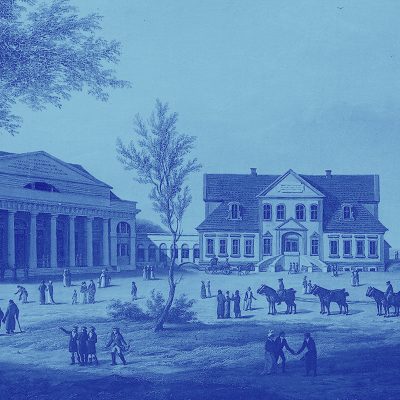
![Lithografie von Johann Nepomuk Heinemann [koloriert], nach Ölgemälde von Feodor Dietz (Foto: LABW, GLAK)](https://www.deutschlandmuseum.de/wp-content/uploads/2025/02/02031689_Zerstoerung_Heidelbergs-400x400.jpg "Lithografie von Johann Nepomuk Heinemann [koloriert], nach Ölgemälde von Feodor Dietz (Foto: LABW, GLAK)")


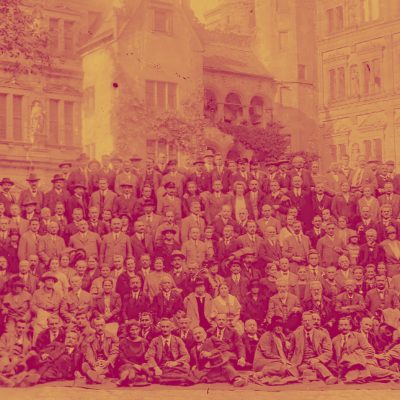
![Unter den Unterzeichnern sind die Nobelpreisträger Otto Hahn, Werner Heisenberg und Max Born [digital koloriert] (Quelle: Landesarchiv BW Staatsarchiv Freiburg, CC-BY-SA)](https://www.deutschlandmuseum.de/wp-content/uploads/2025/04/12041957_Göttinger_Erklärung-400x400.jpg "Unter den Unterzeichnern sind die Nobelpreisträger Otto Hahn, Werner Heisenberg und Max Born [digital koloriert] (Quelle: Landesarchiv BW Staatsarchiv Freiburg, CC-BY-SA)")


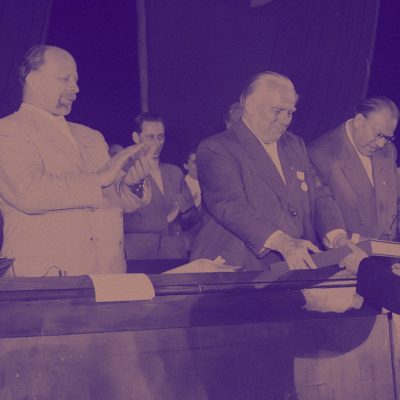
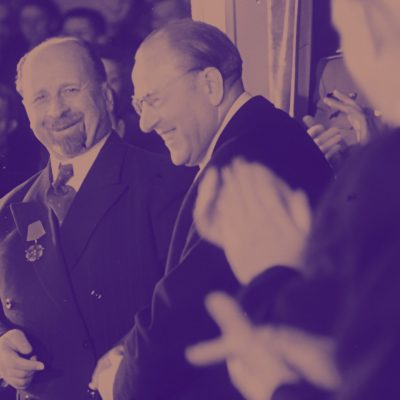
](https://www.deutschlandmuseum.de/wp-content/uploads/2025/04/21041946_SED_Gründung-1-400x400.jpg "Vereinigungsparteitag von KPD und SPD zur SED [digital koloriert](Quelle: Deutsche Fotothek, CC BY-SA 3.0 DE)")



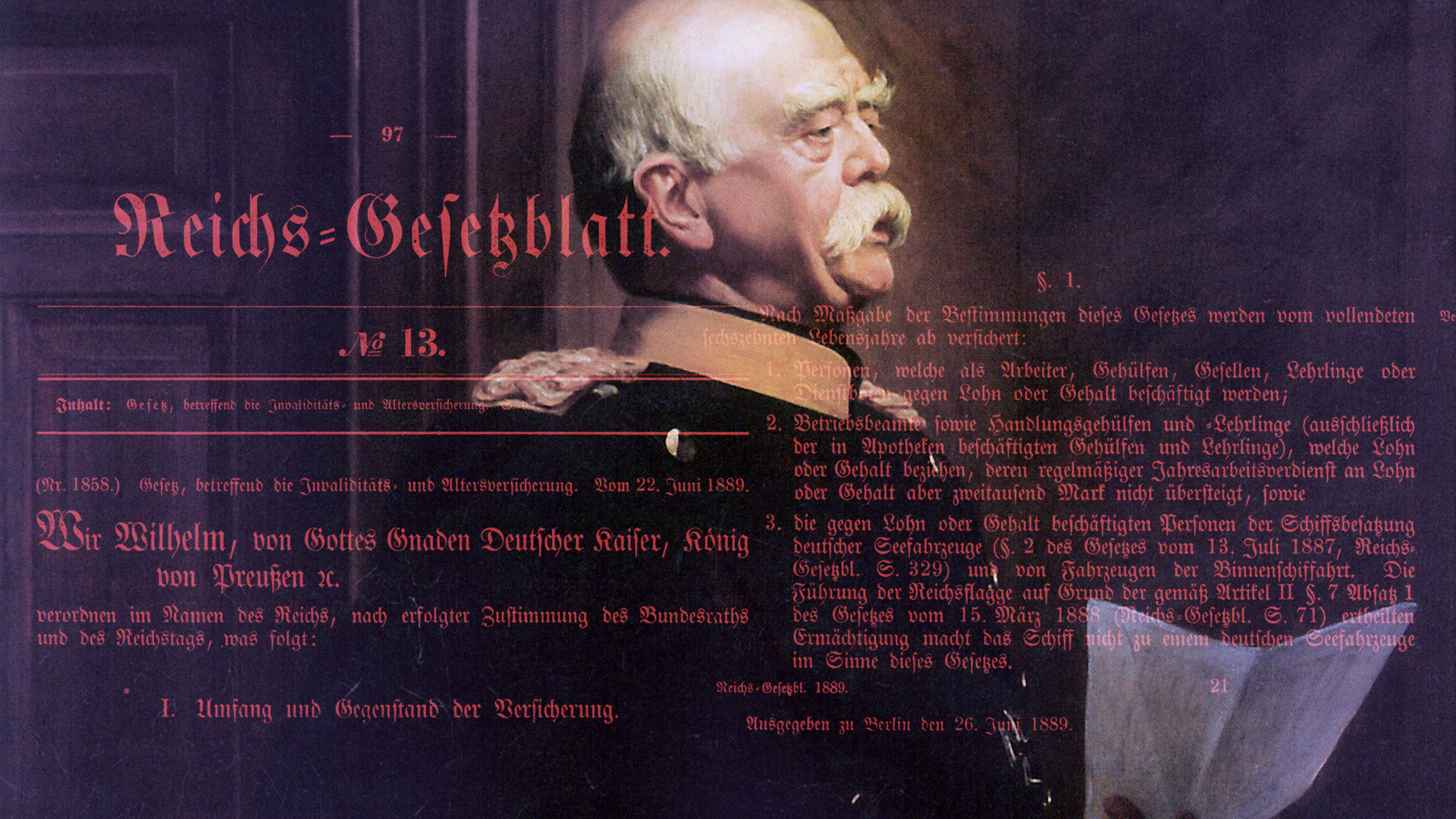
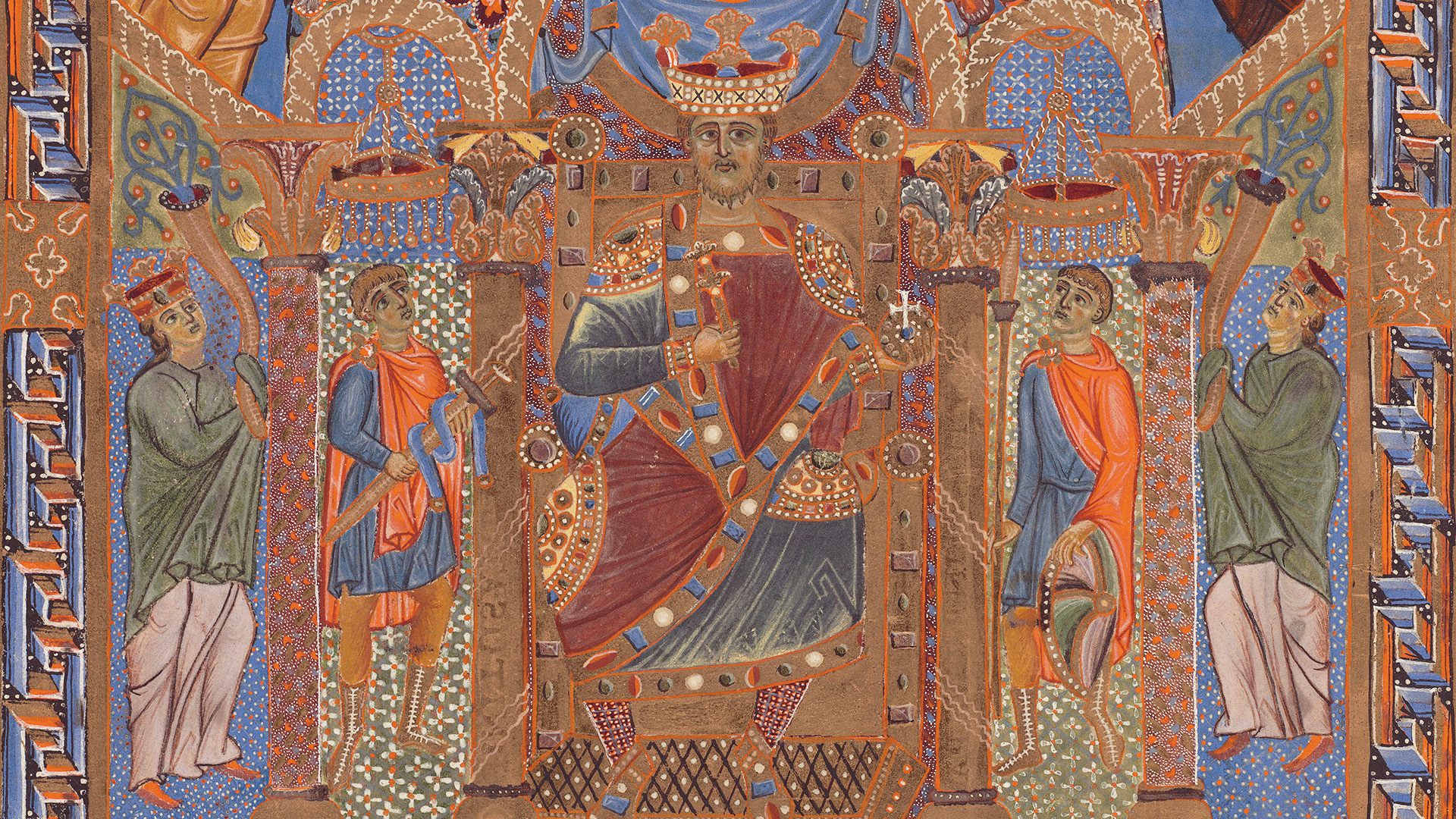
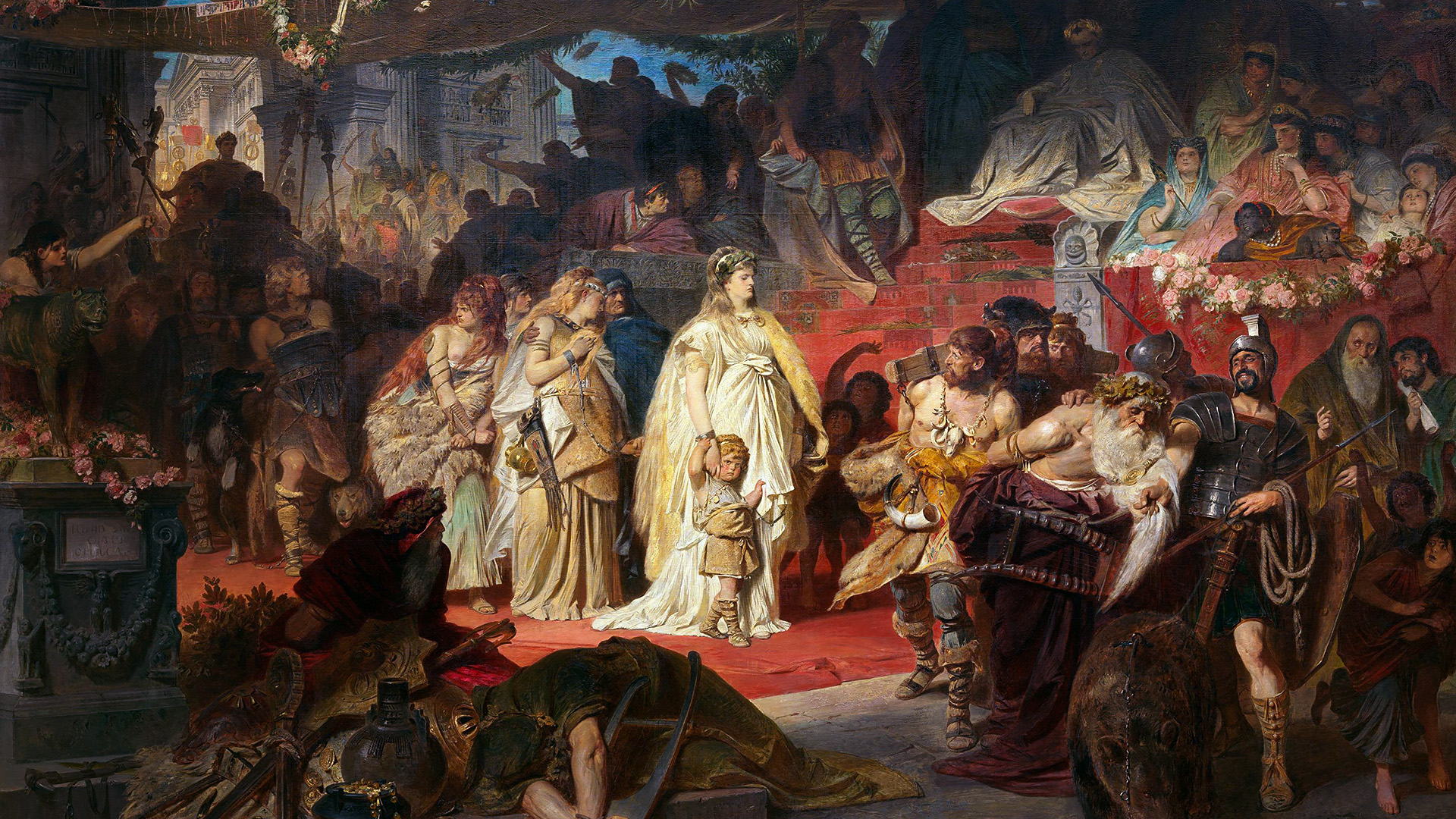
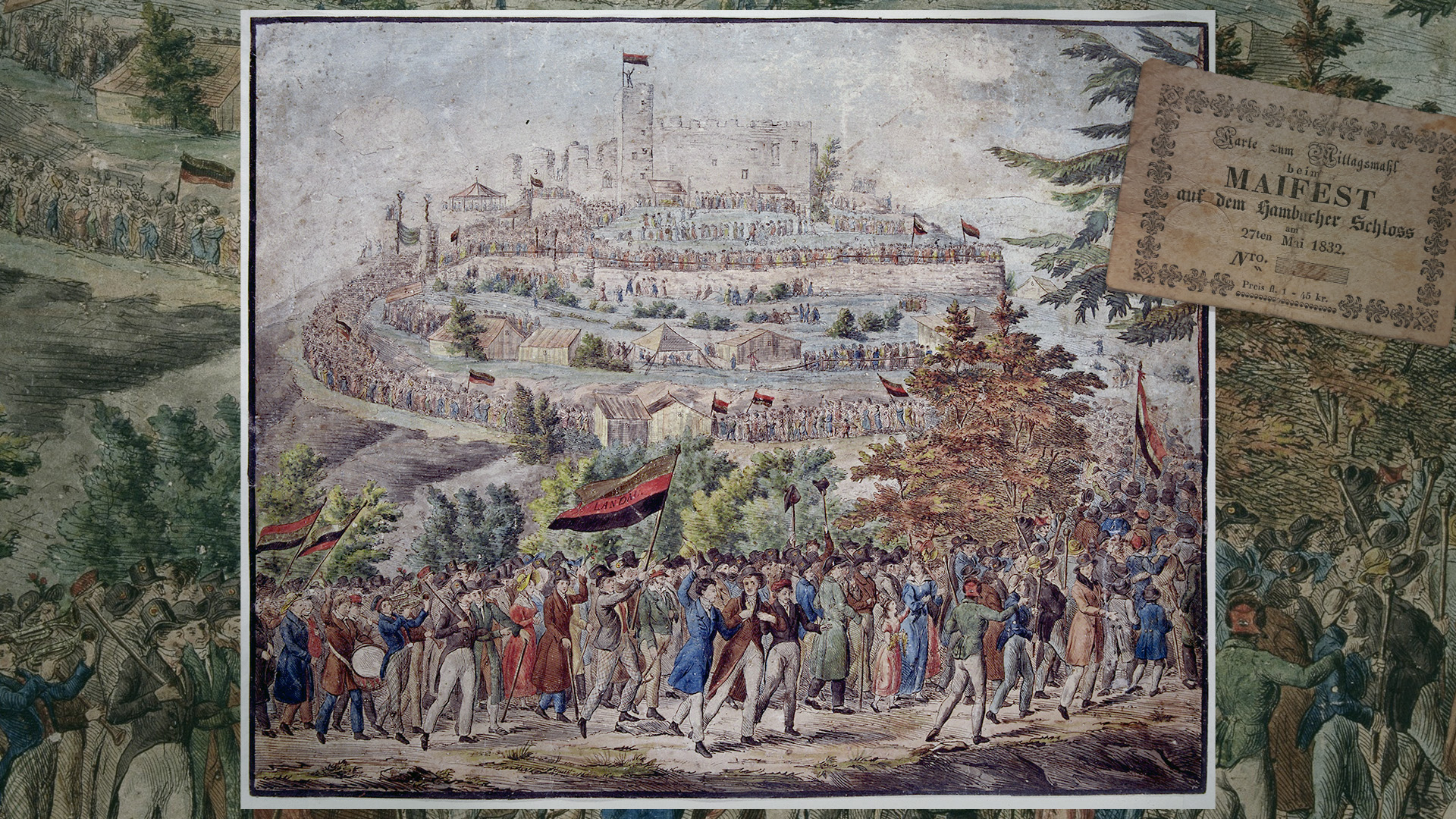



![Alexander von Humboldt [Ausschnitt], Gemälde von Friedrich Georg Weitsch (Quelle: Alte Nationalgalerie)](https://www.deutschlandmuseum.de/wp-content/uploads/2025/09/14091769_Humboldt-400x400.jpg "Alexander von Humboldt [Ausschnitt], Gemälde von Friedrich Georg Weitsch (Quelle: Alte Nationalgalerie)")



![Albert Einstein im Patentamt Bern, 1905 [digital koloriert] (Quelle: ETH-Bibliothek Zürich)](https://www.deutschlandmuseum.de/wp-content/uploads/2025/09/26091905_Einstein_koloriert-400x400.jpg "Albert Einstein im Patentamt Bern, 1905 [digital koloriert] (Quelle: ETH-Bibliothek Zürich)")